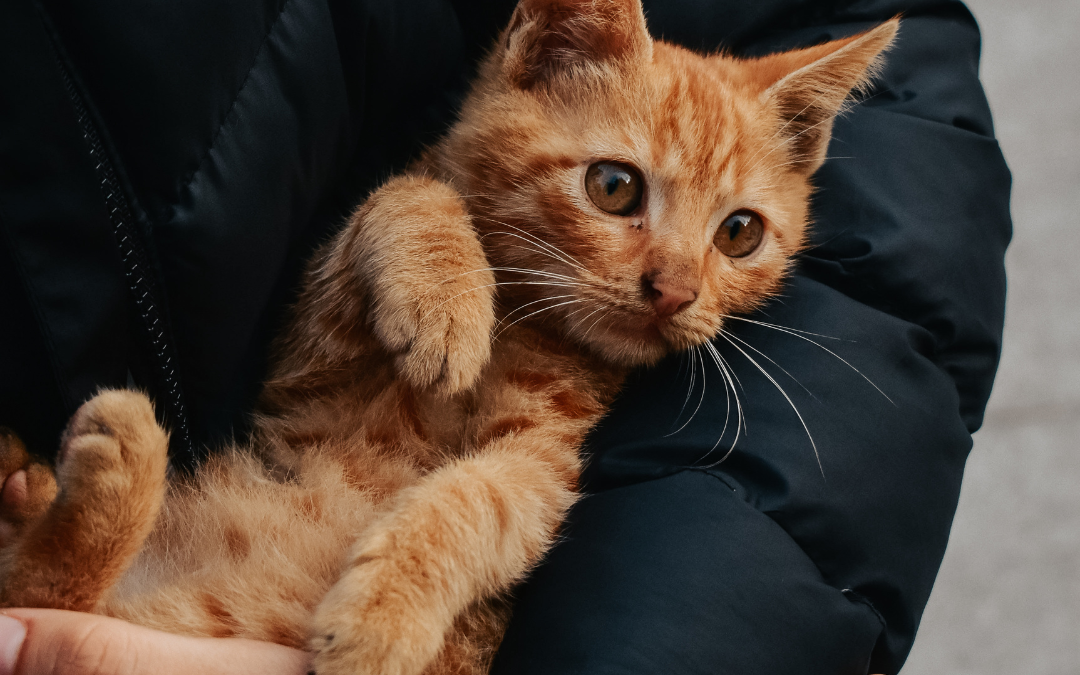
Bringing Home a New Kitten? What Every New Cat Parent Should Know

We were inspired by the helpful Bark & Whiskers article, “Adopting a New Kitty? 10 Things You’ll Want to Know in Advance,” reviewed by Dr. Becker. We are grateful to Bark & Whiskers for sharing educational resources with the animal-loving community and helping pet parents better understand their feline companions.
If a new kitten has recently joined your family, here are a few things to keep in mind as you help them settle in and grow.
Start With a Healthy Beginning
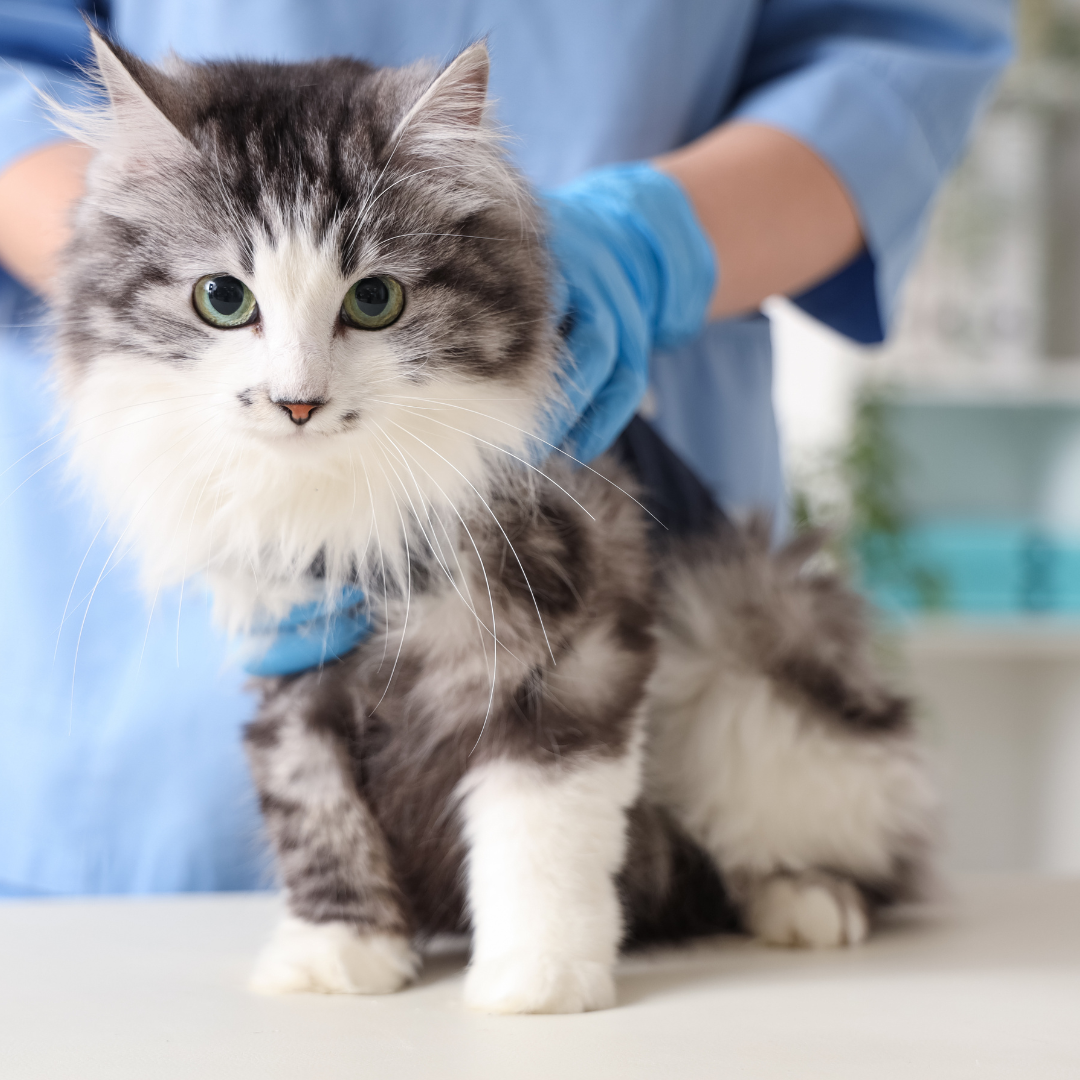
One of your first steps should be scheduling a veterinary visit. A veterinarian can examine your kitten, check for parasites and infections, discuss appropriate testing, and help you establish a plan for vaccinations and preventive care based on your kitten’s individual needs.
Regular veterinary care from the beginning can help give your newest family member a strong foundation for the years ahead.
Growing Up Happens Quickly
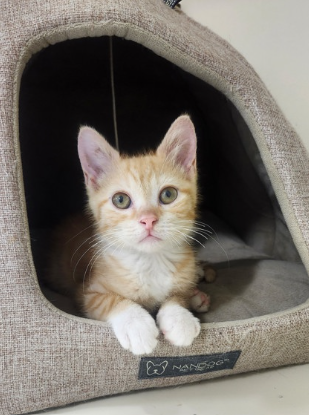
Kittens change a lot during their first weeks and months. Their eyes typically open during the first or second week of life, and the blue-gray eyes you may see early on can develop into their permanent color between about four and seven weeks.
After about four to five weeks, many kittens also begin transitioning to solid kitten food. Orphaned or hand-raised kittens may develop on a slightly different schedule, so always work with your veterinarian or an experienced animal care professional when caring for a very young kitten.
Getting Comfortable With the Litter Box
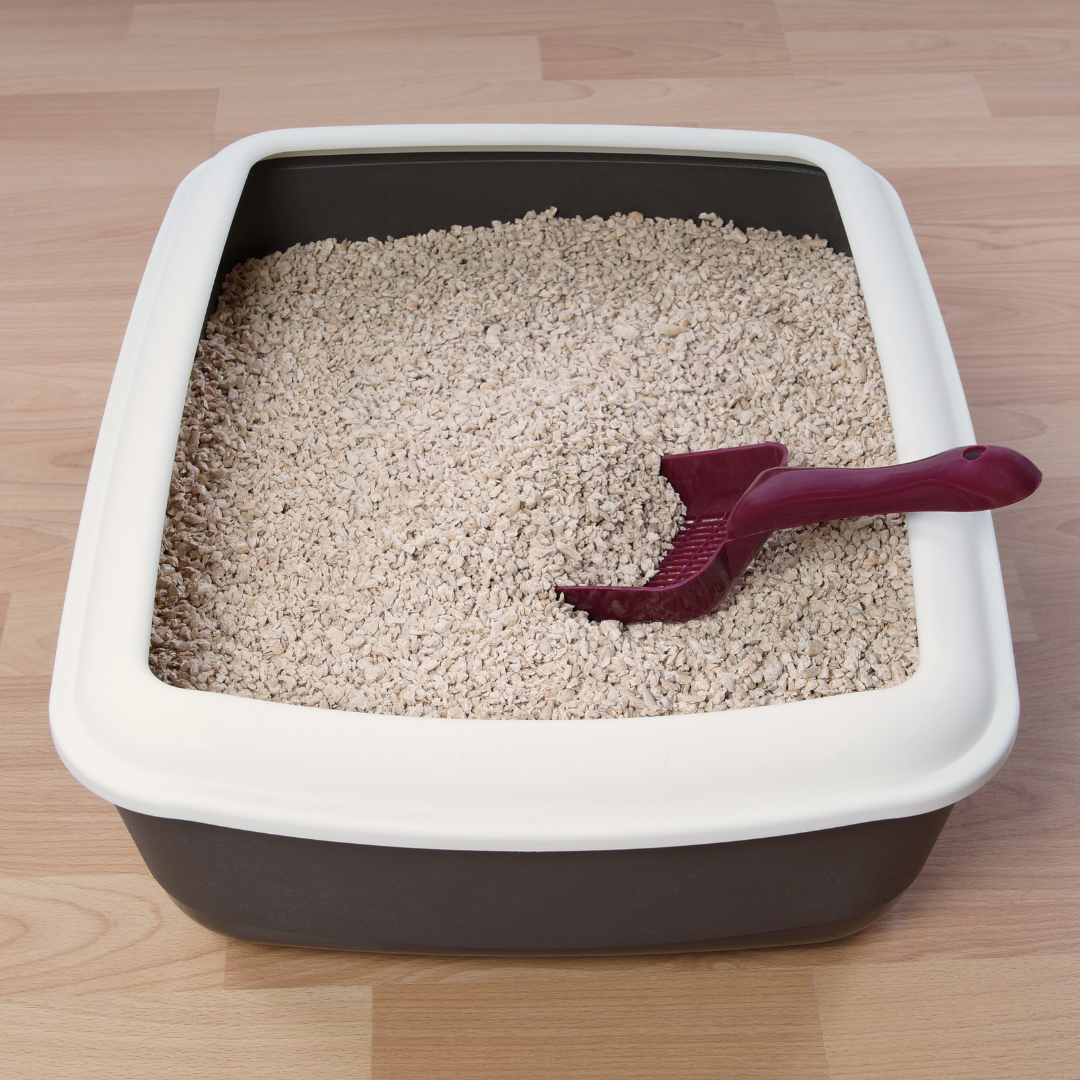
The good news is that litter box habits often come naturally to kittens. At around four weeks old, many kittens are able to begin using a box. A box with low sides makes it easier for little legs to get in and out.
If your kitten avoids the litter box, consider its location, cleanliness, and accessibility. In a home with multiple cats, providing enough litter boxes can also make a difference. A commonly recommended guideline is one box for each cat, plus one extra.
Why Is My Kitten Biting Everything?
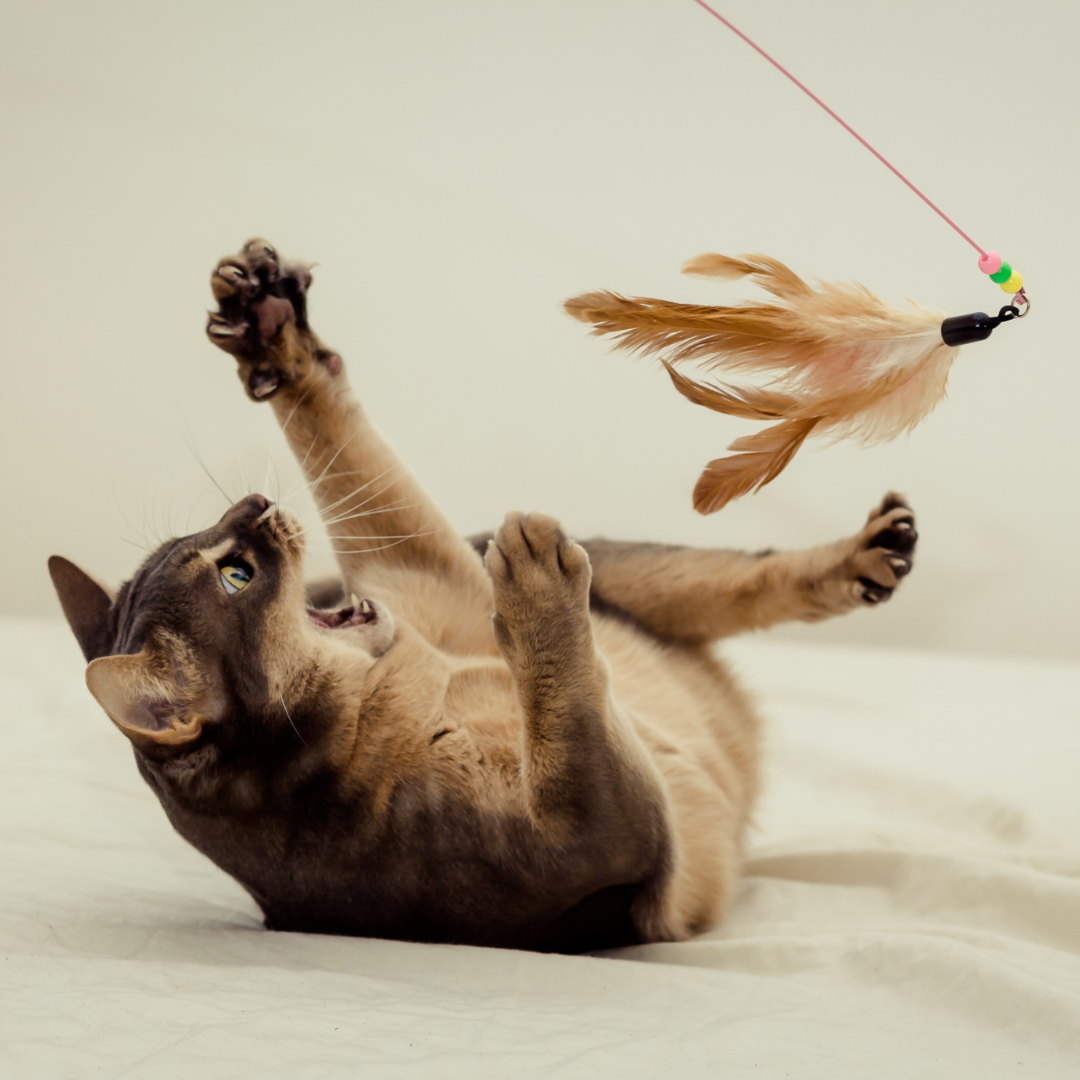
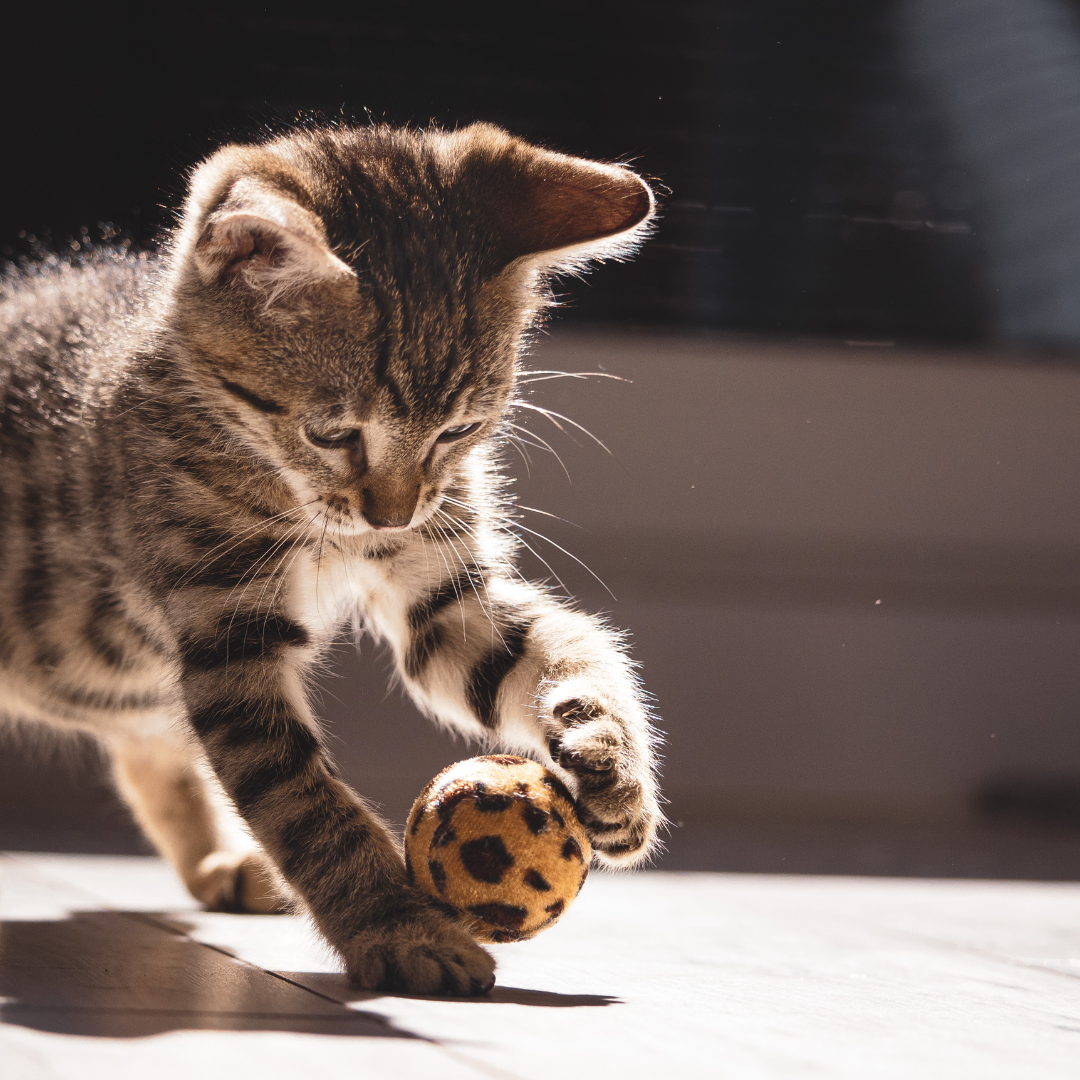
Those playful pounces, surprise attacks, and little nips have a purpose. Kittens are developing the natural skills cats use to stalk and hunt.
Instead of allowing your kitten to chase or bite your hands, redirect that energy toward appropriate toys. Playtime gives kittens an outlet for their instincts while helping them learn that human hands are not toys.
Making Biscuits and Other Curious Cat Behaviors
If your kitten starts rhythmically pressing their paws against a blanket, bed, or even your lap, you are seeing a behavior commonly known as kneading or “making biscuits.”
Kneading begins during kittenhood and may continue throughout a cat’s life. Adult cats may knead when they feel comfortable or as a way of soothing themselves. For many cats, it is simply a natural and comforting behavior.
Scratching Is Normal
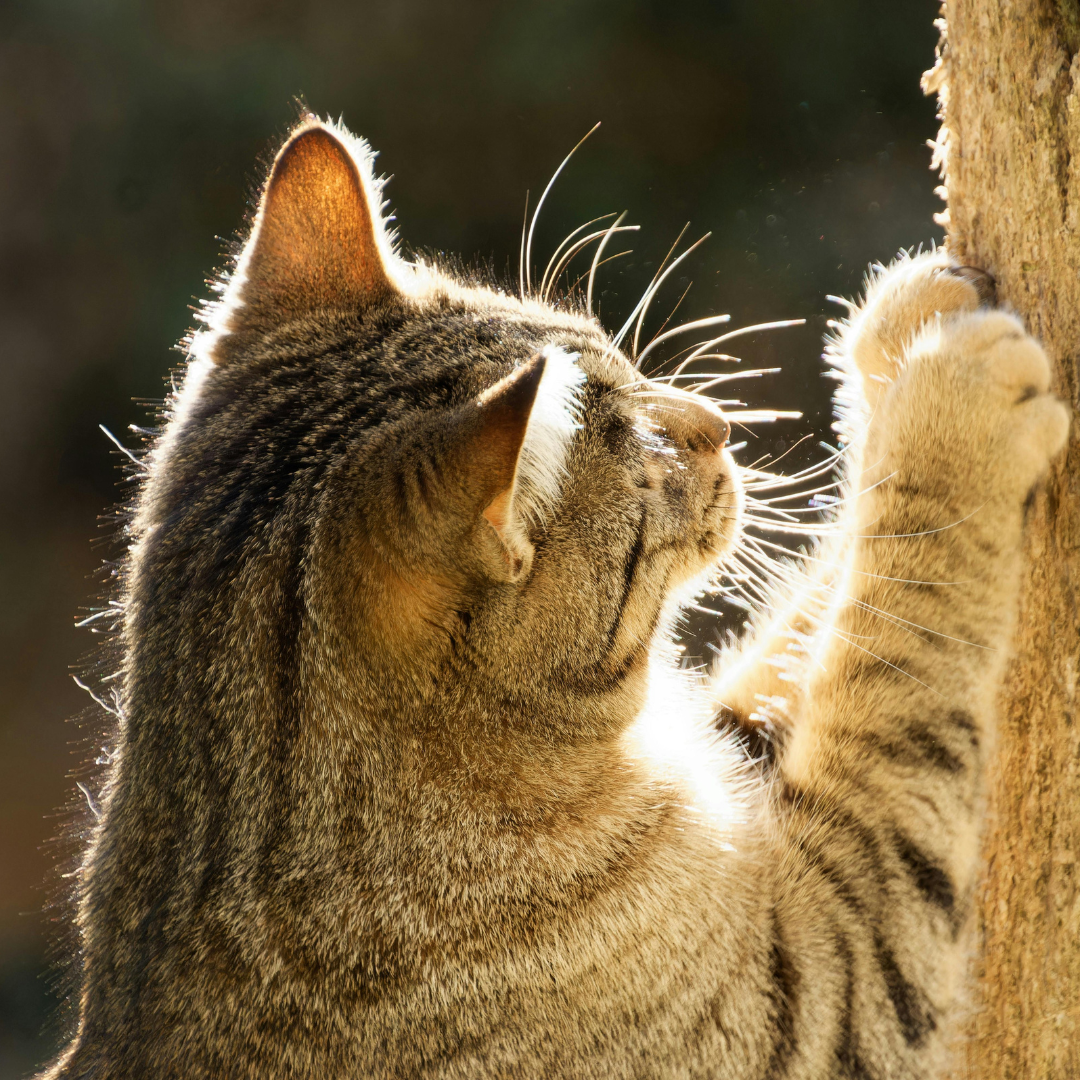
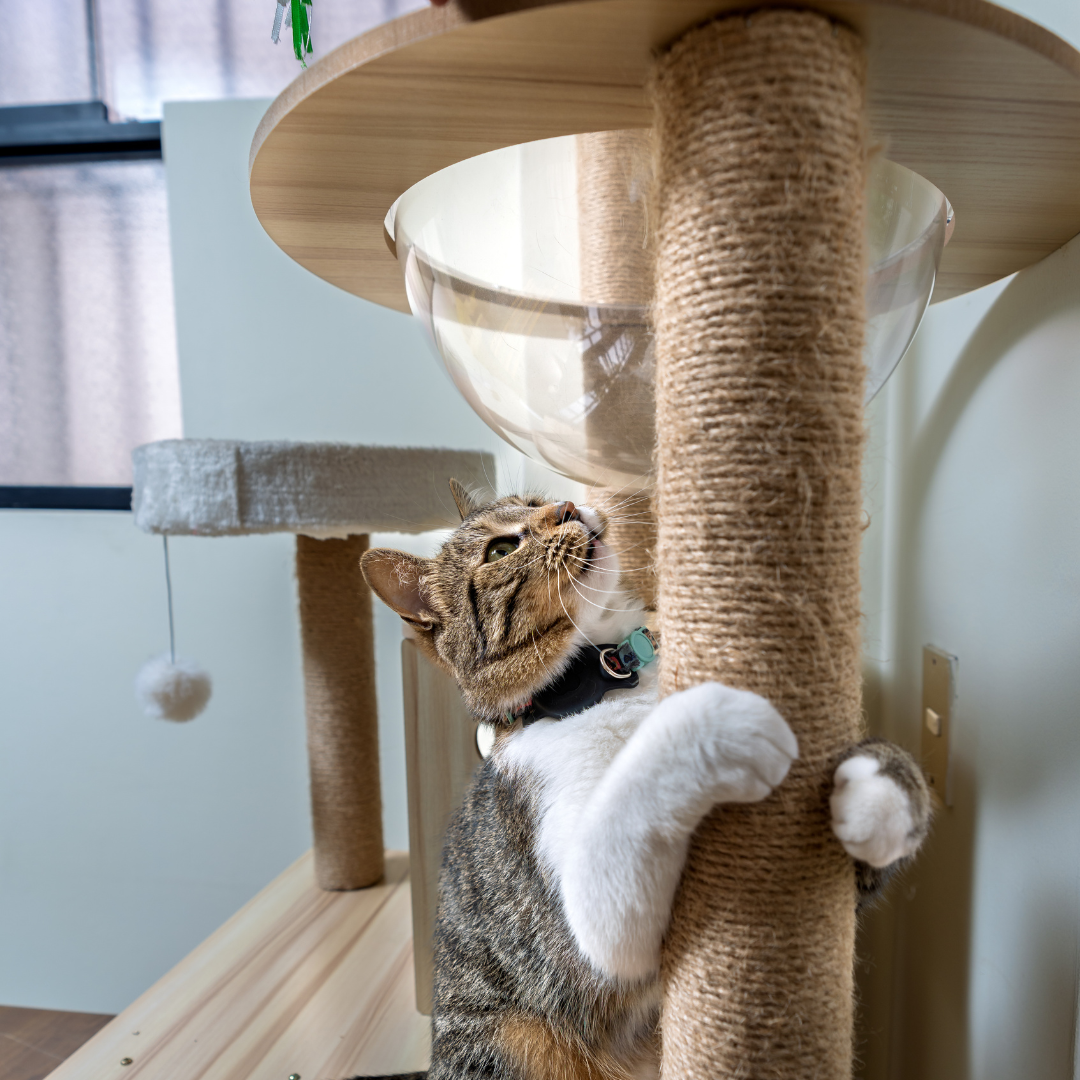
A kitten scratching doesn’t mean they are misbehaving. Scratching is an important part of being a cat. It allows cats to stretch, care for their claws, mark their territory, and relieve stress.
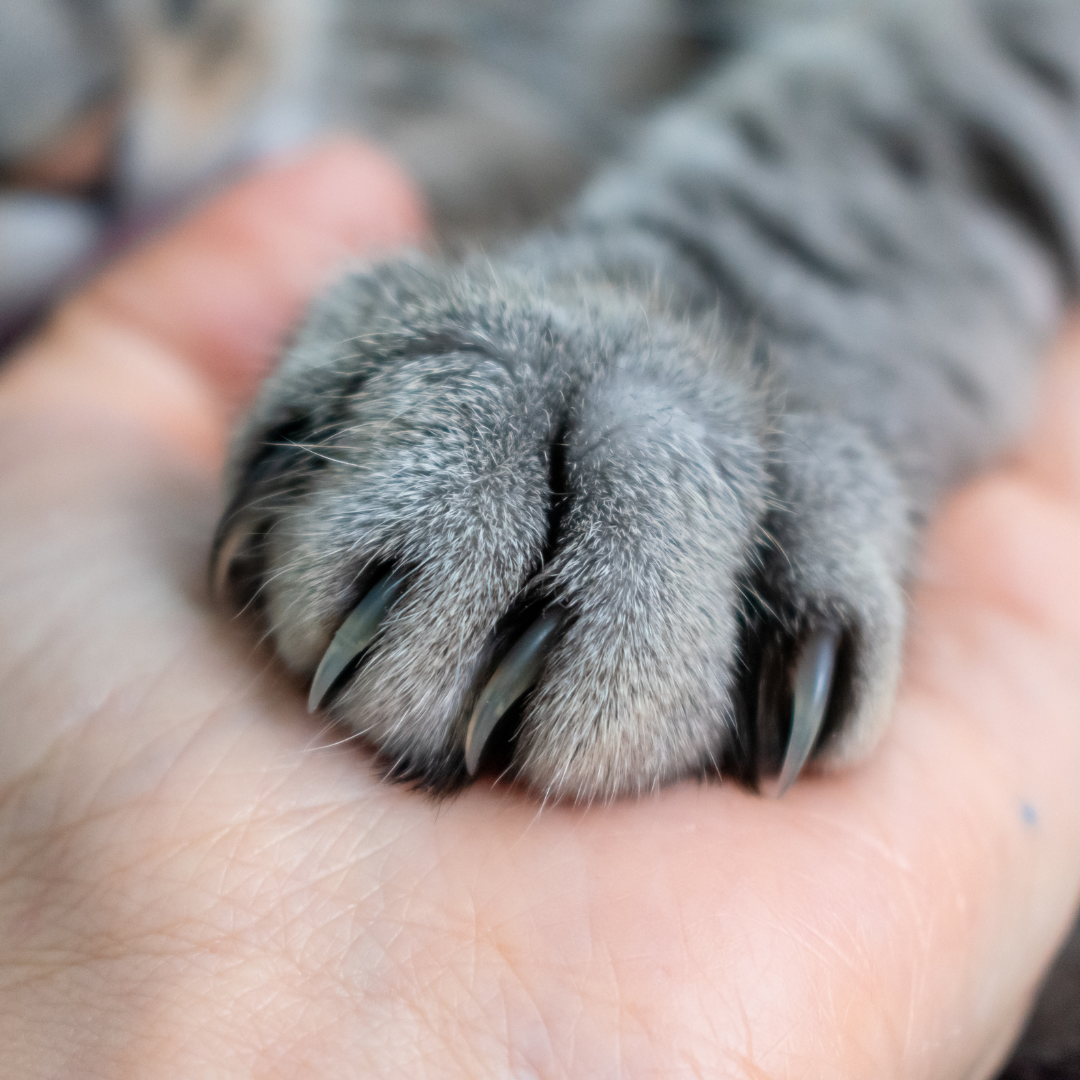
Providing appropriate scratching surfaces early can help direct that natural instinct away from your furniture. This can also be a good time to gently introduce your kitten to having their paws handled and nails trimmed, with guidance from your veterinarian if needed.

Helping Your Kitten Grow Into a Happy Cat
There is a lot to learn when you welcome a kitten home, but you don’t have to know everything on day one. With patience, appropriate veterinary care, plenty of play, and lots of love, you can help your kitten grow into a happy and confident companion.
And remember, every kitten is an individual. If you have concerns about your kitten’s health, development, diet, vaccinations, spaying or neutering, or behavior, your veterinarian is the best resource for advice specific to your pet.
A special thank you again to Bark & Whiskers and Dr. Becker for sharing information that helps animal lovers better understand the pets in their care. You can read their full article, “Adopting a New Kitty? 10 Things You’ll Want to Know in Advance,” here.
You can also learn more about the wonderful kittens and cats at Hallie Hill here.