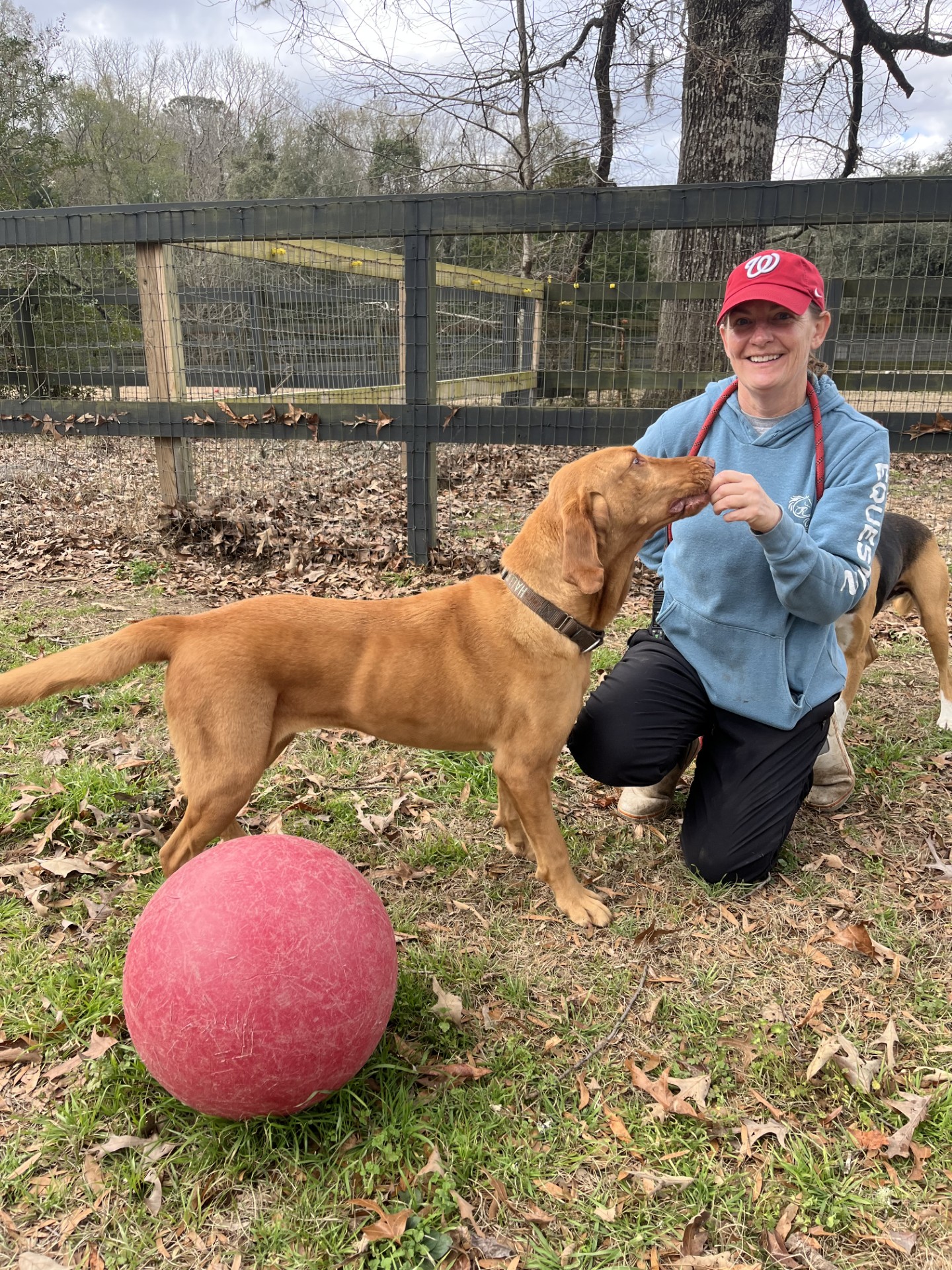

Surviving the Teenage Years: Puppy-Proofing and Training Tips for Adolescent Dogs
Anyone who has raised a puppy knows the early months are full of excitement, curiosity, and learning. But what many people do not realize is that dogs go through a “teenage” stage too. During adolescence, puppies that once seemed perfectly trained may suddenly test boundaries, ignore commands, or develop new habits that challenge their families.
The good news is that this stage is normal. With patience, structure, and kindness, most dogs grow through this period and become wonderful lifelong companions.
The Teenage Dog Brain
As puppies grow into adolescence, their brains are still developing. Just like human teenagers, they are learning how to process the world around them and how to control impulses. This developmental stage can lead to behaviors that surprise or frustrate owners, even if training was going well before.
Dogs at this age may suddenly appear distracted, stubborn, or overly curious. In reality, they are exploring their environment and testing what they can and cannot do. This is a natural part of growing up.
Understanding that these changes are developmental can help caregivers respond with patience rather than frustration.
Puppy-Proofing Your Home
One of the most important steps during this stage is puppy-proofing your environment. Adolescent dogs are energetic and curious, which means they may chew or investigate things that are not safe for them.
Simple precautions can make a big difference:
- Keep shoes, clothing, and small objects out of reach
- Secure trash cans and food items
- Remove hazardous household products
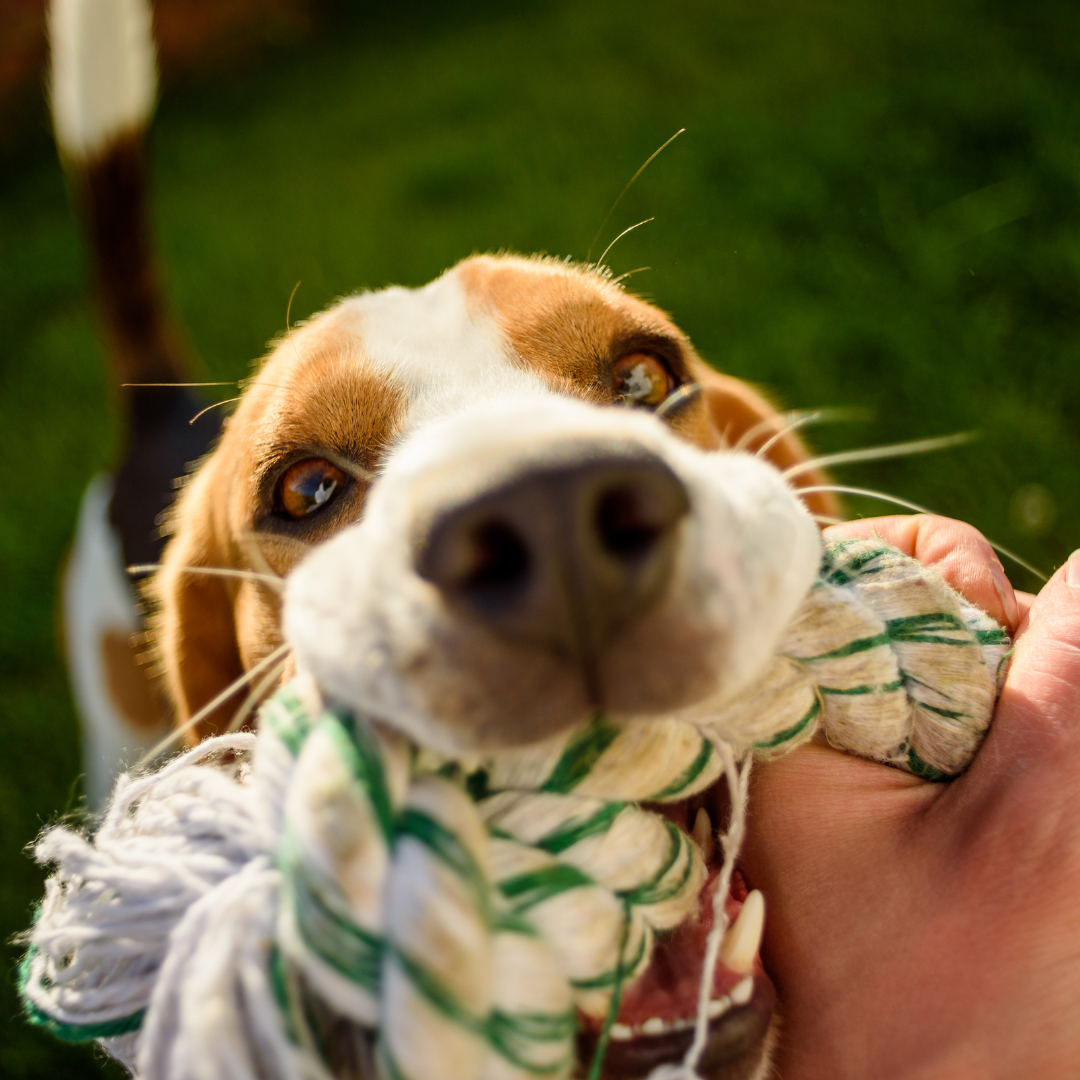
- Provide safe toys and chews for healthy outlets
Creating a safe environment not only protects your dog but also prevents them from practicing unwanted behaviors.
Consistent Rules and Routines
Teenage dogs thrive when they understand what is expected of them. Clear rules and consistent routines help them feel secure and reduce confusion.
This includes things like:
- Feeding and walking at consistent times
- Practicing basic commands regularly
- Reinforcing the same house rules every day
- Making sure everyone in the household follows the same expectations
Consistency teaches dogs how to succeed. When expectations change from day to day, it can make learning much harder for them.
The Importance of Exercise and Mental Stimulation
Adolescent dogs often have a lot of energy. Without healthy outlets, that energy may turn into unwanted behaviors such as chewing, jumping, or digging.
Regular physical activity helps burn off energy and supports healthy development. This might include:
- Daily walks
- Play sessions
- Training games
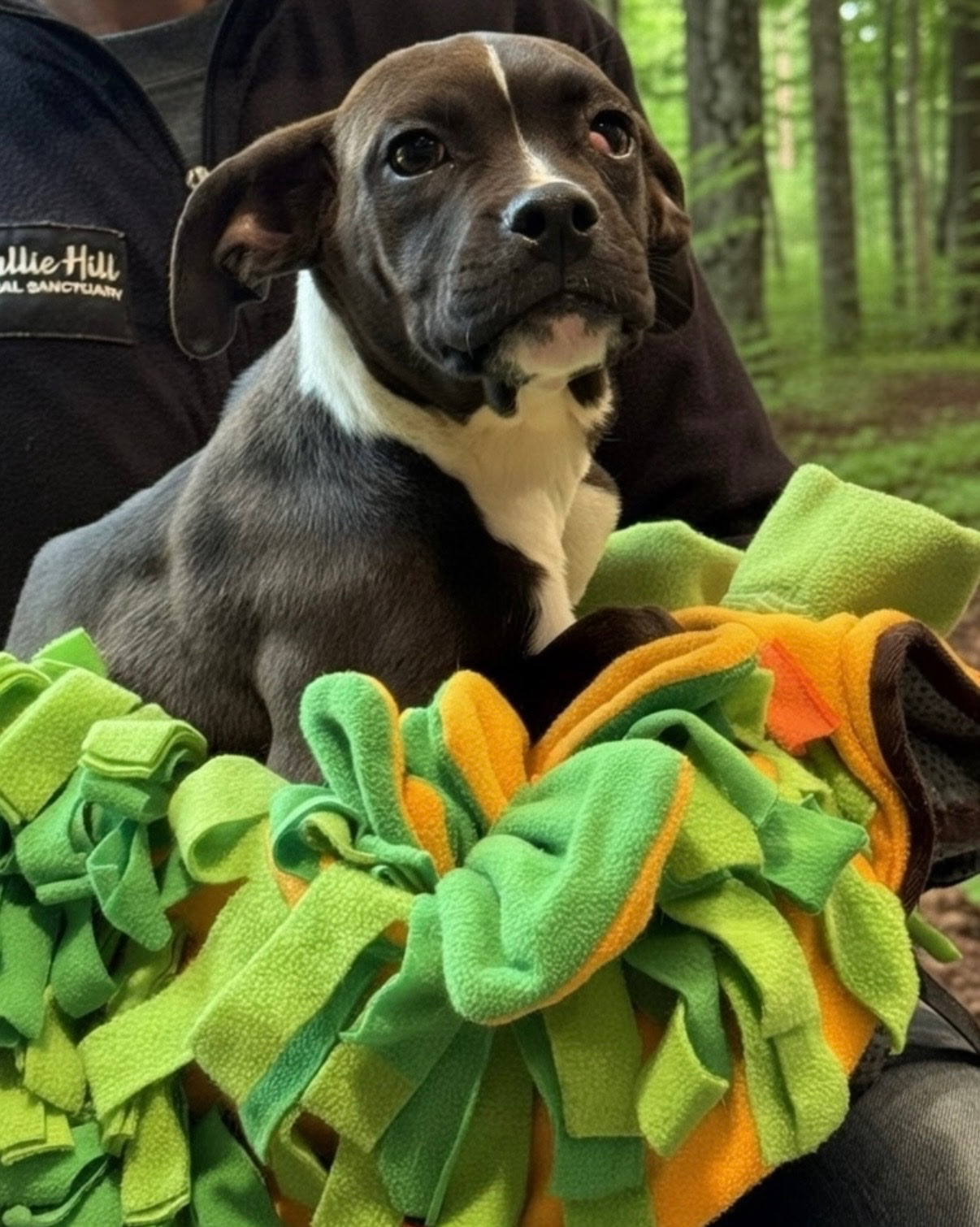
- Puzzle toys or scent activities
Mental stimulation is just as important as physical exercise. Training sessions, learning new tricks, and engaging games all help keep a young dog’s mind active and focused.
Patience Goes a Long Way
The teenage phase can be challenging, but it is also temporary. With patience, kindness, and positive training, most dogs mature into calm and reliable companions.
Remember that mistakes are part of the learning process. Gentle guidance and consistent training help build trust between dogs and their people. Over time, that trust becomes the foundation for a strong lifelong bond.
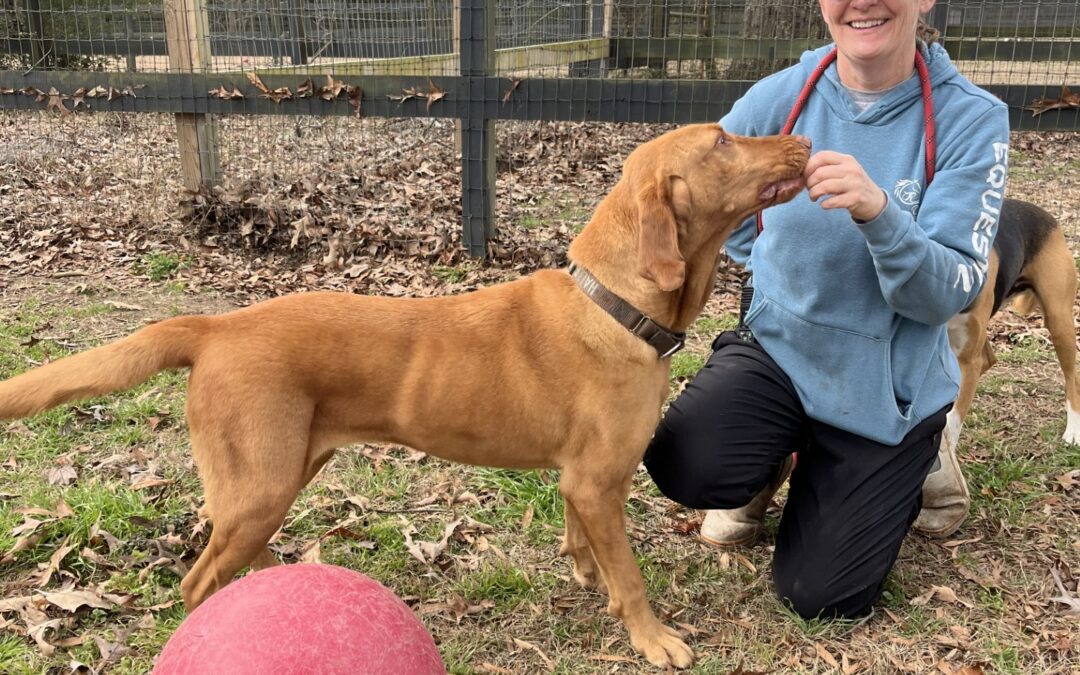
At Hallie Hill Animal Sanctuary, we see every day how patience and understanding can transform an animal’s life. Many of our dogs arrive with little training or structure, but with care and consistency, they grow into confident, loving companions.
If you are raising a young dog, know that you are not alone in navigating the ups and downs of the teenage stage. With the right support, your pup will grow into the amazing dog they are meant to be.
This blog was inspired by and adapted from guidance by the Cornell University College of Veterinary Medicine’s Riney Canine Health Center.
Read the original article here.