
April Adorable Adoptables

April Adorable Adoptables

At Hallie Hill, every animal that arrives here brings their own story, personality, and quiet hope for what comes next.

This month, we would love to introduce you to a few of the wonderful animals currently waiting for a loving home. Each one has settled into life at the sanctuary in their own way, and each one is ready for the kind of connection that only a forever family can offer.

If one of these sweet companions feels like the right fit for your home, we would be honored to help you meet them.

Jigglypuff

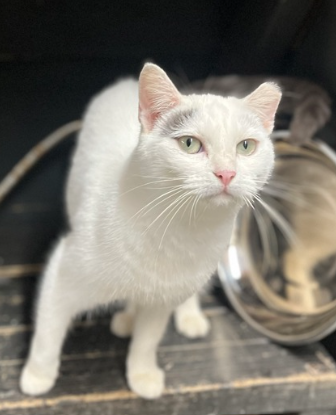
Jigglypuff came to Hallie Hill at three years old from an overcrowded shelter, and she has quickly shown us just how affectionate she is.

She is the kind of cat who likes to greet visitors and be part of the moment. Scratches, attention, and a cozy place nearby are some of her favorite things. Jigglypuff has a gentle, loving nature and enjoys being close to people who are happy to spend a little time with her.

She would make a wonderful addition to a home that appreciates a friendly companion and a warm presence.

Rascal

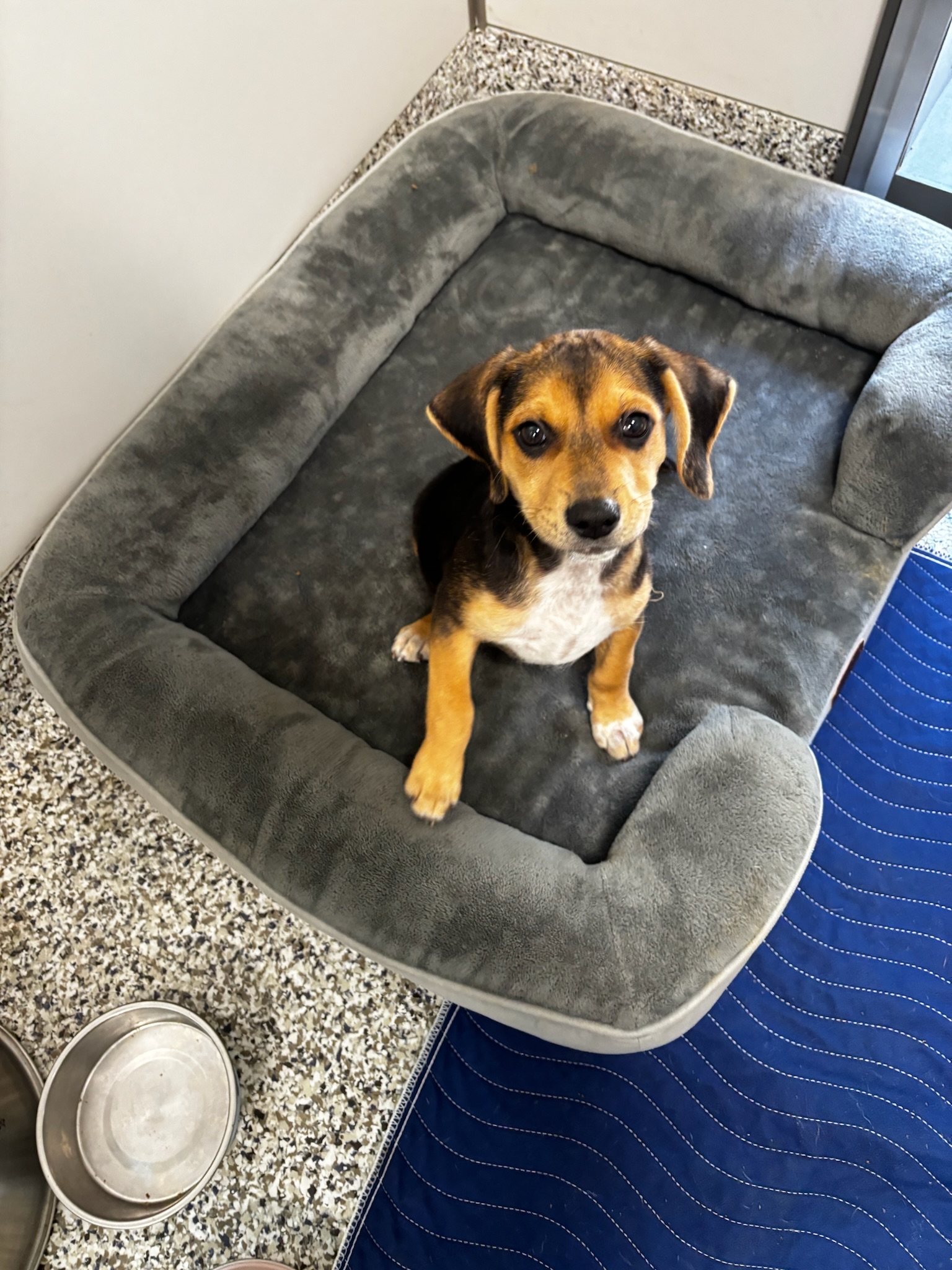
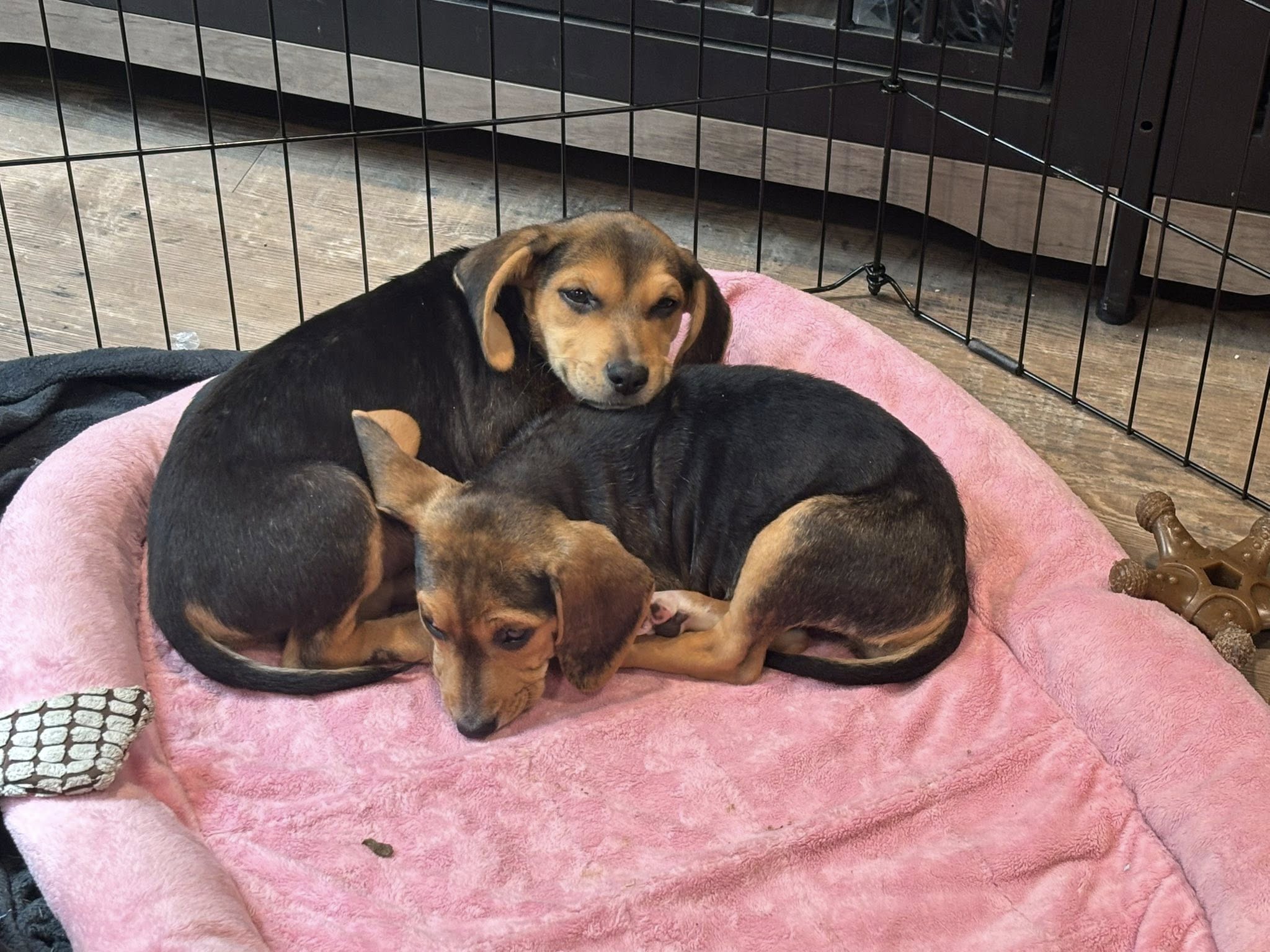
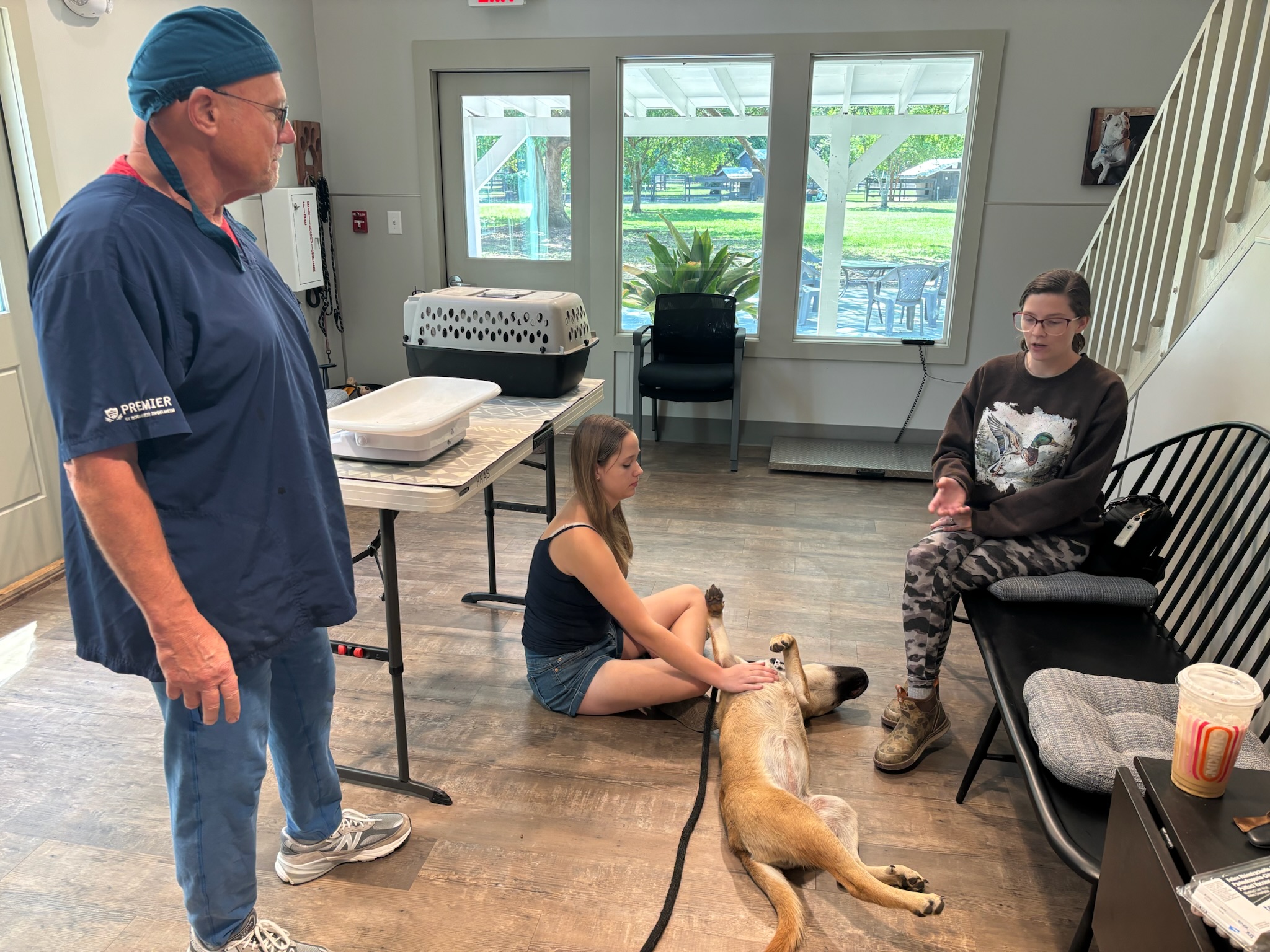
Rascal is a two-month-old hound mix who arrived after being found wandering along a busy highway. He is still very young and discovering the world around him, and that curiosity shines through in everything he does.

This sweet puppy loves to snuggle and has already become known for the little puppy grunts he makes when he is getting extra attention. Rascal enjoys rolling in the grass, soaking up affection, and spending time with people.

He does have some skin and fur challenges that our team is actively working on, but his joyful spirit has never slowed him down. With patience and love, Rascal is ready to grow into a wonderful member of a family.

Claudimus

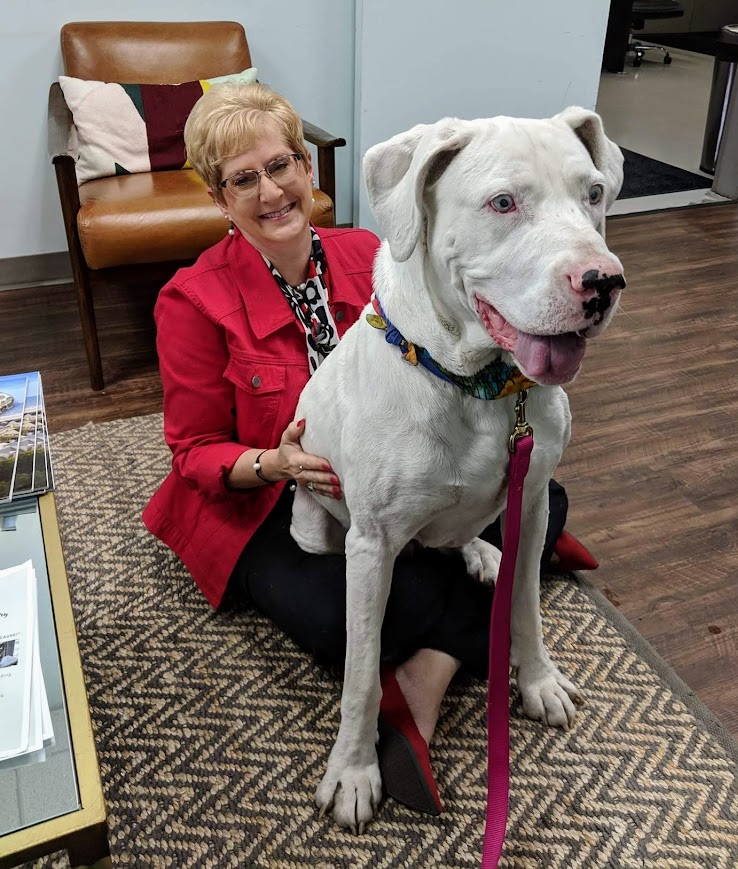
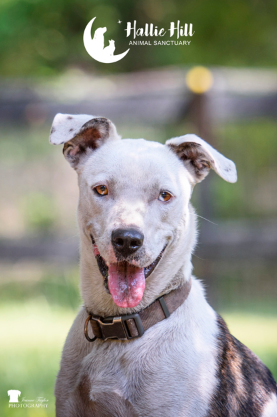
Claudimus is a six-year-old Doberman Pinscher with a calm and thoughtful personality. He has previously lived with other dogs and with young children and has done well with both.

While he enjoys playing with other dogs, Claudimus also knows when he has had enough and prefers interactions that stay friendly and relaxed. He is very tuned in to the people around him and loves leaning into someone for affection.

That closeness with his humans is where Claudimus truly shines. He is happiest when he can be near the people he trusts and share those quiet, affectionate moments.

Radar

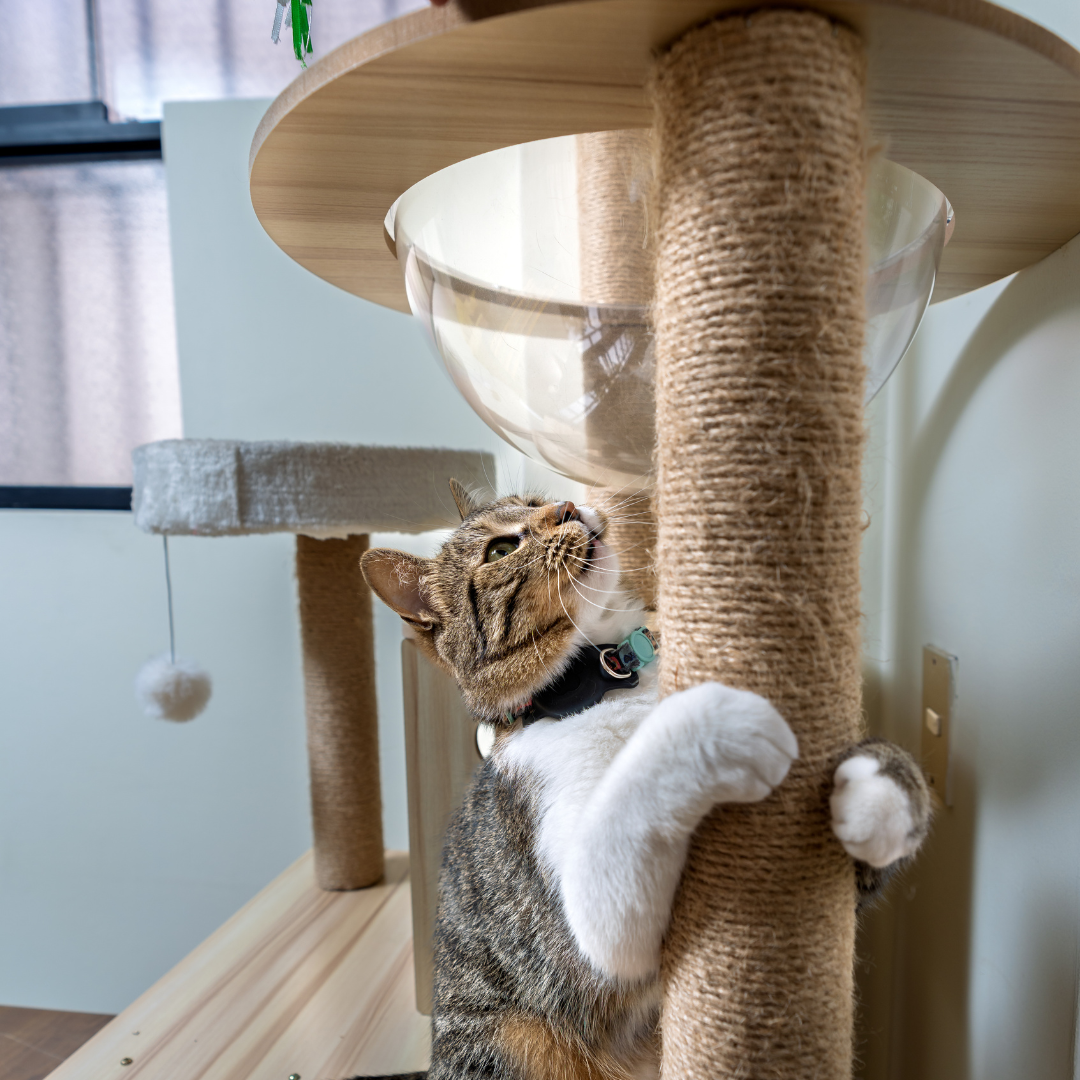
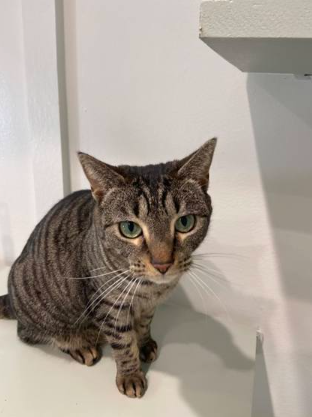
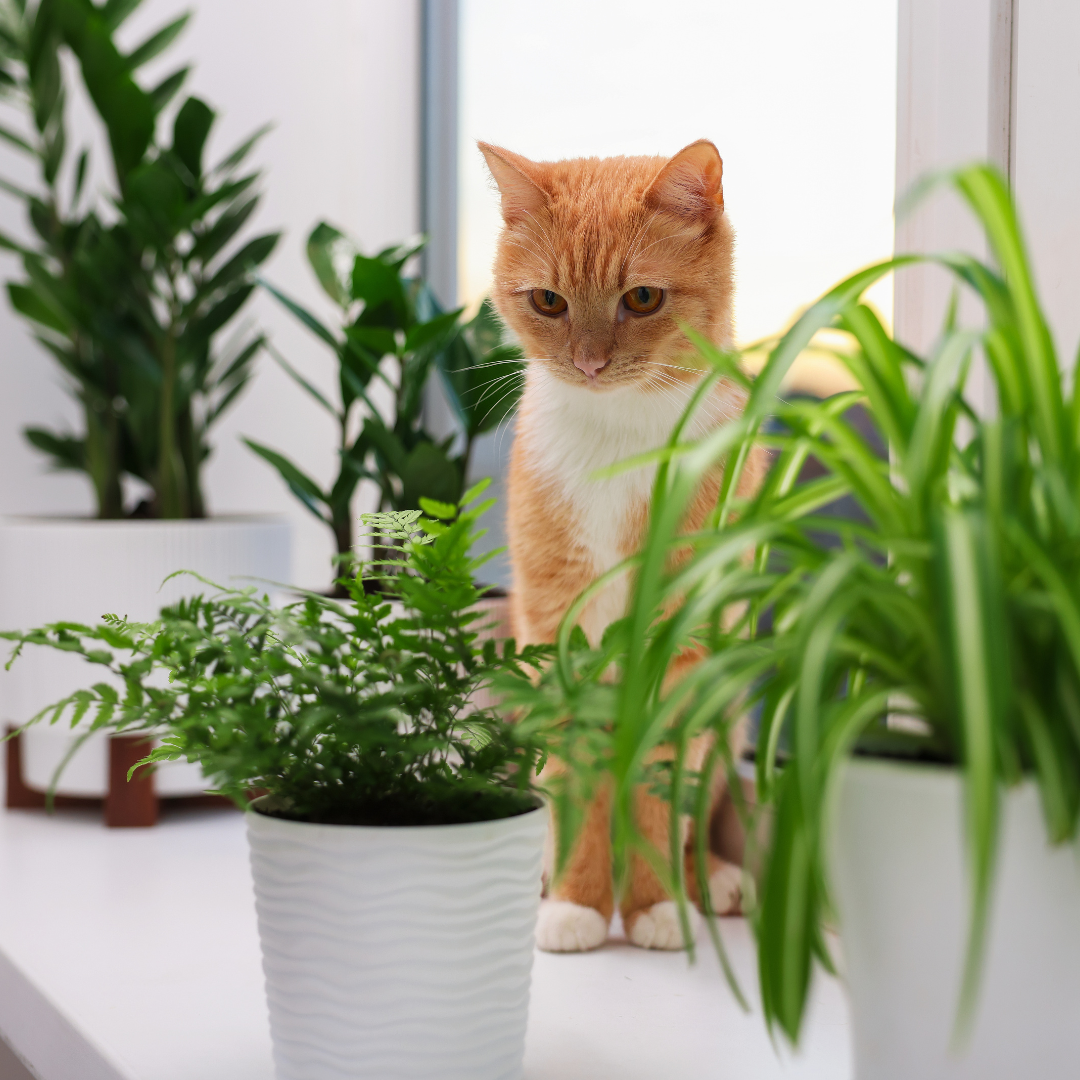
Radar is a five-year-old brown tabby who has perfected the art of relaxing in a sunny window.

When visitors arrive, however, his playful side quickly appears. Radar loves to greet people and often rolls over for belly scratches once he feels comfortable. He has an easygoing personality and enjoys both attention and peaceful lounging time.

For someone looking for a gentle feline companion, Radar would be a wonderful match.

A Place to Begin a New Chapter

Every animal at Hallie Hill is given the time, care, and patience they need while they wait for their next chapter. Our team and volunteers work each day to provide comfort, safety, and connection for the animals who call the sanctuary home.

We are deeply grateful to our community for making that possible.

If one of these April Adorable Adoptables feels like a good fit for your home and your heart, we would love to welcome you to the sanctuary to meet them.

You can learn more about adoption and view additional available animals at:
https://www.halliehill.com/

And as always, thank you for walking alongside us as we continue providing second chances and loving care to the animals of Hallie Hill.

Affordable PETSinc Mobile Vet Clinic Returns to Hallie Hill on April 16

Affordable PETSinc Mobile Vet Clinic Returns to Hallie Hill on April 16

Apr 2026 | News

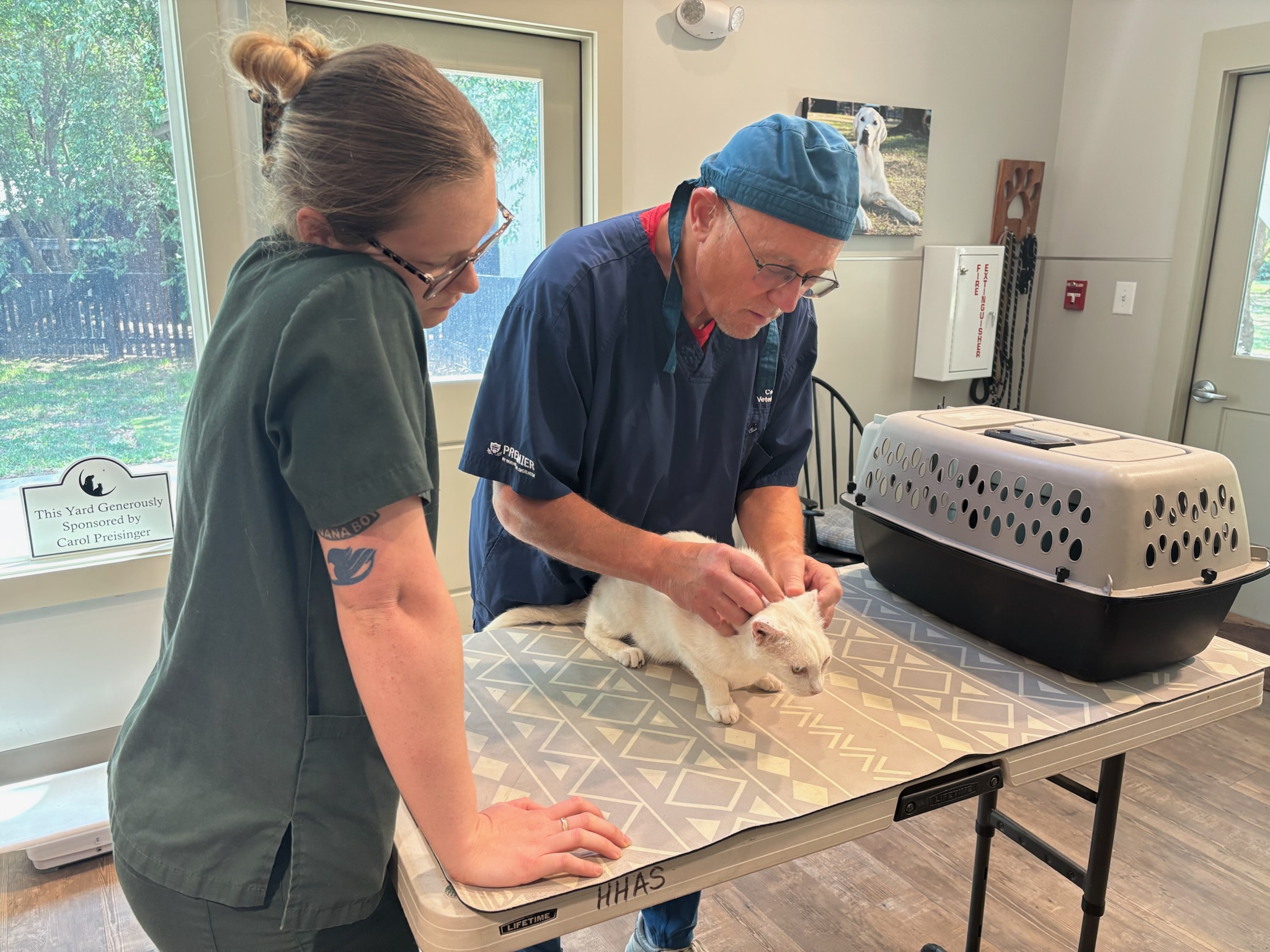
Access to compassionate veterinary care can make all the difference for animals and the people who love them. That is why we are grateful to continue partnering with PETSinc to bring their Affordable Mobile Veterinary Unit back to Hallie Hill Animal Sanctuary this April.

Our March clinic was another meaningful day for the community. Thanks to the dedication of the PETSinc veterinary team, volunteers, and supporters, 31 spay and neuter surgeries and 25 wellness visits were completed. Each visit helped a pet receive the care they needed to stay healthy and safe at home.

Moments like these remind us that when a community works together, more animals receive the comfort, dignity, and care they deserve.

Join Us for the April PETSinc Mobile Vet Clinic

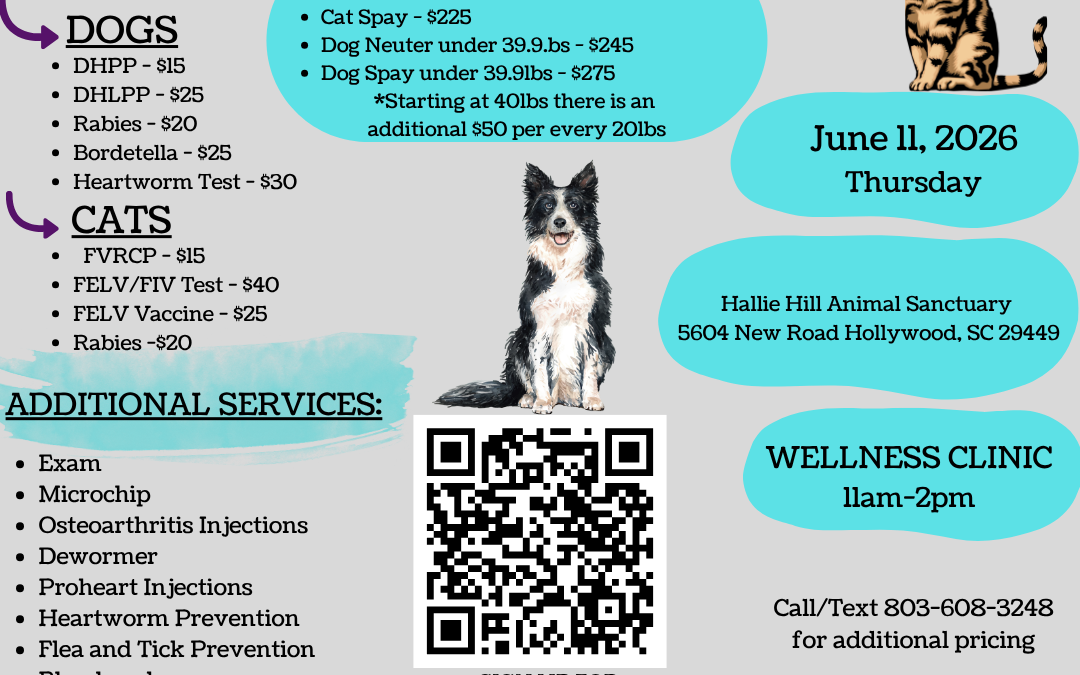
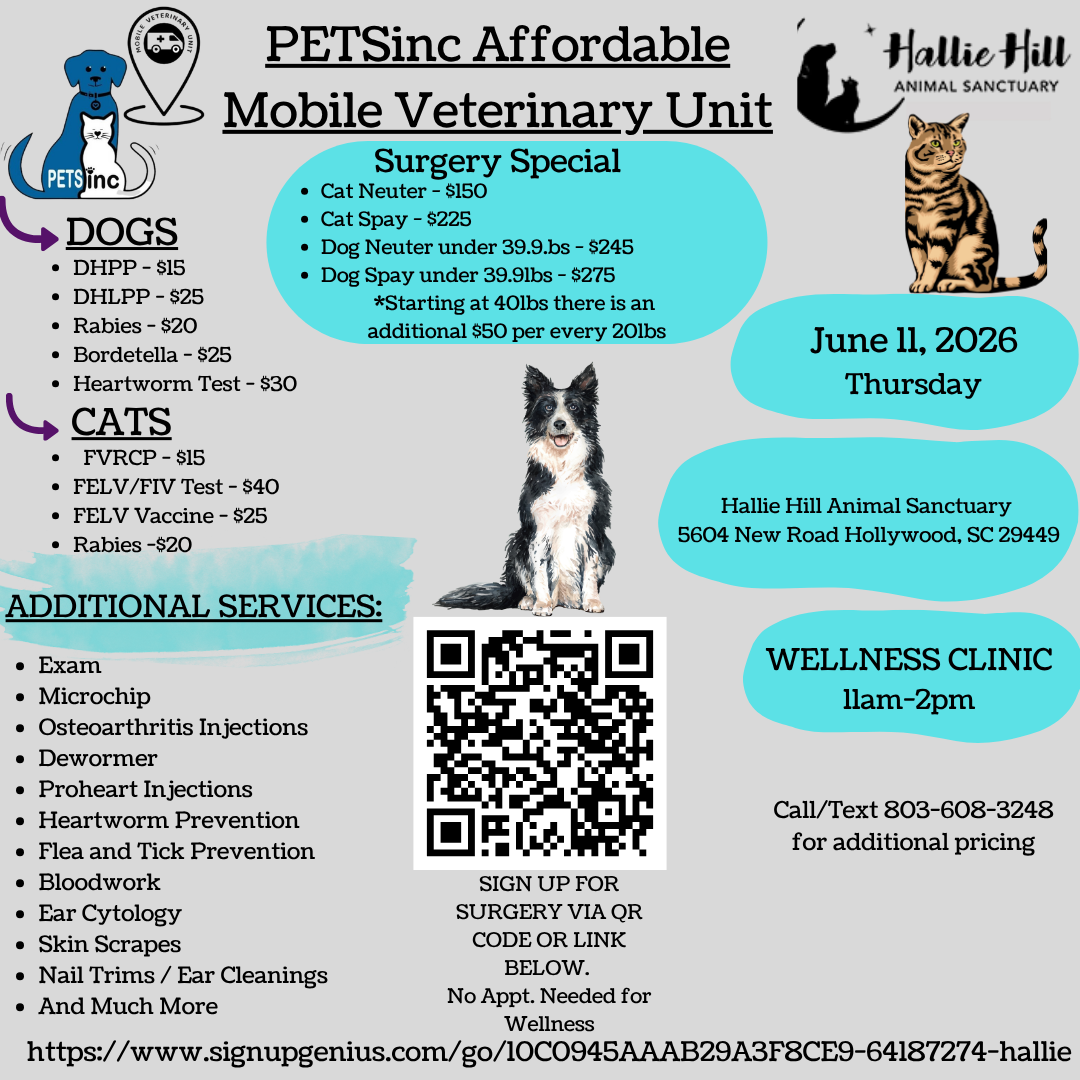
The PETSinc Affordable Mobile Veterinary Unit will return to Hallie Hill on:

Thursday, April 16, 2026
Wellness Clinic Hours: 11 AM to 2 PM
Hallie Hill Animal Sanctuary
5604 New Road
Hollywood, South Carolina

This clinic provides affordable veterinary services for both dogs and cats, helping families access essential care in a welcoming and supportive environment.

Surgery appointments are required, while wellness services are available during clinic hours without an appointment.

Surgery Services

Spay and neuter procedures are available at reduced pricing:

Cat Neuter – $150
Cat Spay – $200
Dog Neuter (under 39.9 lbs) – $230
Dog Spay (under 39.9 lbs) – $250

Pets as young as three months old may qualify for surgery.

For dogs starting at 40 pounds, an additional $50 fee applies for every 20 pounds.

Surgery appointments must be scheduled in advance.

Register here:
https://www.signupgenius.com/go/10C0945AAAB29A3F8CE9-62984114-hallie

Vaccines and Wellness Services

Wellness services are available during clinic hours and do not require an appointment.

For Dogs
DHPP – $15
DHLPP – $25
Rabies – $15
Bordetella – $25
Heartworm Test – $40

For Cats
FVRCP – $15
FELV/FIV Test – $40
FELV Vaccine – $25

These preventive services help protect pets from common diseases and support their long-term health.

Additional Veterinary Services

Additional care may also be available, including:

Microchipping
Bloodwork
Deworming
Flea and tick prevention
Heartworm prevention
Ear cytology
Skin scrapes
Nail trims and ear cleanings
Osteoarthritis injections

For additional pricing or service information, PETSinc can be contacted at 803-608-3248.

Why These Clinics Matter

Affordable veterinary care plays an important role in keeping animals healthy and preventing unnecessary suffering. Programs like the PETSinc Mobile Vet Clinic allow more families to access the services their pets need while strengthening the well-being of animals throughout our community.

Every spay or neuter procedure helps reduce the number of animals who may one day face homelessness. Every vaccine or wellness visit helps a pet live a safer, healthier life with the family that loves them.

Help Us Spread the Word

If this clinic could benefit someone you know, please consider sharing this information with neighbors, friends, or family members. Expanding awareness helps more animals receive the care they need.

With Gratitude

We are deeply thankful to the PETSinc team, our volunteers, and everyone who helps make these clinics possible. Your support allows us to continue creating opportunities for compassionate care and brighter futures for animals across our community.

Together, we are helping pets stay healthy, safe, and right where they belong.

Surviving the Teenage Years: Puppy-Proofing and Training Tips for Adolescent Dogs

Surviving the Teenage Years: Puppy-Proofing and Training Tips for Adolescent Dogs

This blog draws from guidance published by the experts at the Cornell University College of Veterinary Medicine’s Riney Canine Health Center. You can read the original article here.

Anyone who has raised a puppy knows the early months are full of excitement, curiosity, and learning. But what many people do not realize is that dogs go through a “teenage” stage too. During adolescence, puppies that once seemed perfectly trained may suddenly test boundaries, ignore commands, or develop new habits that challenge their families.

The good news is that this stage is normal. With patience, structure, and kindness, most dogs grow through this period and become wonderful lifelong companions.

The Teenage Dog Brain

As puppies grow into adolescence, their brains are still developing. Just like human teenagers, they are learning how to process the world around them and how to control impulses. This developmental stage can lead to behaviors that surprise or frustrate owners, even if training was going well before.

Dogs at this age may suddenly appear distracted, stubborn, or overly curious. In reality, they are exploring their environment and testing what they can and cannot do. This is a natural part of growing up.

Understanding that these changes are developmental can help caregivers respond with patience rather than frustration.

Puppy-Proofing Your Home

One of the most important steps during this stage is puppy-proofing your environment. Adolescent dogs are energetic and curious, which means they may chew or investigate things that are not safe for them.

Simple precautions can make a big difference:

  • Keep shoes, clothing, and small objects out of reach
  • Secure trash cans and food items
  • Remove hazardous household products
  • Provide safe toys and chews for healthy outlets

Creating a safe environment not only protects your dog but also prevents them from practicing unwanted behaviors.

Consistent Rules and Routines

Teenage dogs thrive when they understand what is expected of them. Clear rules and consistent routines help them feel secure and reduce confusion.

This includes things like:

  • Feeding and walking at consistent times
  • Practicing basic commands regularly
  • Reinforcing the same house rules every day
  • Making sure everyone in the household follows the same expectations

Consistency teaches dogs how to succeed. When expectations change from day to day, it can make learning much harder for them.

The Importance of Exercise and Mental Stimulation

Adolescent dogs often have a lot of energy. Without healthy outlets, that energy may turn into unwanted behaviors such as chewing, jumping, or digging.

Regular physical activity helps burn off energy and supports healthy development. This might include:

  • Daily walks
  • Play sessions
  • Training games
  • Puzzle toys or scent activities

Mental stimulation is just as important as physical exercise. Training sessions, learning new tricks, and engaging games all help keep a young dog’s mind active and focused.

Patience Goes a Long Way

The teenage phase can be challenging, but it is also temporary. With patience, kindness, and positive training, most dogs mature into calm and reliable companions.

Remember that mistakes are part of the learning process. Gentle guidance and consistent training help build trust between dogs and their people. Over time, that trust becomes the foundation for a strong lifelong bond.

At Hallie Hill Animal Sanctuary, we see every day how patience and understanding can transform an animal’s life. Many of our dogs arrive with little training or structure, but with care and consistency, they grow into confident, loving companions.

If you are raising a young dog, know that you are not alone in navigating the ups and downs of the teenage stage. With the right support, your pup will grow into the amazing dog they are meant to be.

This blog was inspired by and adapted from guidance by the Cornell University College of Veterinary Medicine’s Riney Canine Health Center.

Read the original article here.

Lacey Ahlers

Lacey Ahlers

At Hallie Hill, the care our animals receive each day is made possible by the people who show up with compassion, patience, and a genuine love for what they do.

We are grateful to introduce one of the newest members of our team, Lacey Ahlers.

Lacey joins Hallie Hill as an Animal Care Provider, where she plays an important role in the daily care and comfort of the animals who call the sanctuary home. From quiet moments of connection to the steady routines that help animals feel safe, her presence is already making a meaningful impact.

She is currently pursuing her Bachelor of Science degree in Wildlife Biology at Charleston Southern University. Her passion for animals extends beyond the classroom and into every part of her life. Whether she is paddleboarding, hiking, or rock climbing, Lacey feels most at home outdoors and connected to the natural world.

Looking ahead, she hopes to continue her education and earn a Master’s degree in Environmental Sciences and Policy. Her goals reflect a deep commitment to both animals and the environment, values that align closely with the heart of Hallie Hill.

We are thankful to have Lacey as part of our community and to have her walking alongside us in this work.

If you see Lacey during your next visit, we hope you will take a moment to say hello and help us welcome her to the team.

Understanding Pain in Cats: What Every Cat Guardian Should Know

Understanding Pain in Cats: What Every Cat Guardian Should Know

This article was inspired by and draws information from the original piece “25 Signs Your Pet May Be in Pain” published by Bark & Whiskers. You can read the original article here.

At Hallie Hill Animal Sanctuary, we believe that caring for animals also means helping the people who love them feel informed and supported. Recognizing when a cat may be experiencing pain is an important part of that care.

Cats are remarkably resilient animals. They are also very good at hiding discomfort. Because of this, pain in cats can sometimes go unnoticed until it becomes more serious. Learning to recognize the subtle signs can make a meaningful difference in your cat’s health and quality of life.

Why Cats Hide Pain

In the wild, animals that show signs of injury or weakness can become targets for predators. Over time, cats developed a natural instinct to mask pain and vulnerability.

Even in safe homes with loving families, that instinct remains. A cat who is hurting may not cry out or behave dramatically. Instead, the signs are often quiet and easy to miss.

This is why attentive observation and regular veterinary care are so important. Your cat relies on you to notice when something may be wrong.

Pain should always be taken seriously. It can interfere with healing after injury or surgery, reduce appetite, and affect a cat’s overall well-being. Over time, unmanaged pain can also lead to decreased activity, behavioral changes, and a lower quality of life.

Common Causes of Pain in Cats

Pain in cats can come from a wide range of conditions. Some are visible, while others develop internally and may not be obvious at first.

A few common causes include:

  • Injury or trauma
  • Dental disease or oral infections
  • Eye, ear, or skin infections
  • Gastrointestinal issues
  • Urinary tract problems
  • Arthritis or joint degeneration
  • Diseases affecting the spine or nervous system
  • Recovery from surgery
  • Serious illnesses such as cancer

Older cats in particular may develop chronic conditions such as osteoarthritis or degenerative joint disease. These conditions can progress gradually, which makes subtle changes in behavior especially important to notice.

Signs Your Cat May Be Experiencing Pain

Because cats rarely vocalize discomfort, behavioral changes are often the clearest signals.

Researchers have identified many subtle indicators that may suggest a cat is experiencing pain. Some of the most common include:

  • Limping or changes in walking
  • Difficulty jumping or climbing
  • Reduced activity or reluctance to move
  • Spending more time hiding or withdrawing
  • Less grooming than usual
  • Decreased appetite
  • Changes in temperament or mood
  • A hunched posture or shifting weight frequently
  • Licking one particular area of the body repeatedly
  • Eyes partially closed or avoiding bright spaces
  • Growling, groaning, or unusual vocalization
  • Straining to urinate or changes in litter box behavior

Sometimes the only sign may be a small shift in routine. A cat who suddenly skips meals, hides more often, or stops greeting family members may be trying to communicate discomfort.

When something feels different, it is always wise to speak with your veterinarian.

The Importance of Early Care

Addressing pain early helps protect your cat’s overall health.

Veterinarians often treat pain while they work to identify the underlying cause. This approach keeps the animal comfortable while diagnostic testing or treatment begins.

If surgery is required, many veterinarians now focus on proactive pain management. Providing pain relief before, during, and after procedures can improve recovery and reduce stress for the patient.

Open communication with your veterinarian is helpful. You can ask about the plan for managing pain and how your cat will be supported throughout treatment.

Helping Reduce Stress During Vet Visits

For many cats, veterinary visits themselves can be stressful. Anxiety can intensify pain and make examinations more difficult.

Some veterinary clinics use calming tools such as synthetic feline facial pheromones in exam rooms. These products can help create a more relaxed environment for feline patients.

In certain situations, veterinarians may also recommend gentle sedation or anti-anxiety medication. This allows necessary examinations or procedures to be performed in a way that minimizes distress for the cat.

Exploring Different Approaches to Pain Management

Every cat is unique, and pain management often requires a thoughtful and individualized approach.

Veterinary treatment may include medications designed specifically for feline patients. Because cats process medications differently from other animals, dosing and drug selection must be handled carefully by a veterinarian.

In some cases, complementary therapies may also play a role in supporting comfort. These may include options such as:

  • Therapeutic massage
  • Chiropractic care
  • Acupuncture
  • Laser therapy
  • Physical rehabilitation

Nutritional support and anti-inflammatory diets can also help some cats, particularly those dealing with chronic conditions such as arthritis.

Working with a veterinarian who understands your cat’s individual needs can help determine which combination of treatments is most appropriate.

Supporting Your Cat’s Quality of Life

Pain does not only affect the body. It also shapes how animals experience their daily lives.

Mobility, playfulness, appetite, and interest in human interaction all contribute to a cat’s quality of life. A stimulating environment that includes enrichment, gentle play, and affection can help cats stay engaged and comfortable even when managing chronic conditions.

At the heart of it all is attentiveness. When we notice small changes and respond with care, we help ensure that our animals continue to feel safe, comfortable, and understood.

Walking Alongside Our Cats

Cats may not be able to tell us when something hurts, but they rely on us to notice the signs.

By learning to recognize subtle changes and working closely with trusted veterinary professionals, we can support our cats through illness, recovery, and aging with compassion and patience.

If you share your life with a cat, your awareness and presence matter more than you may realize.

And if you would like to explore the original article that inspired this piece, you can read it here.