
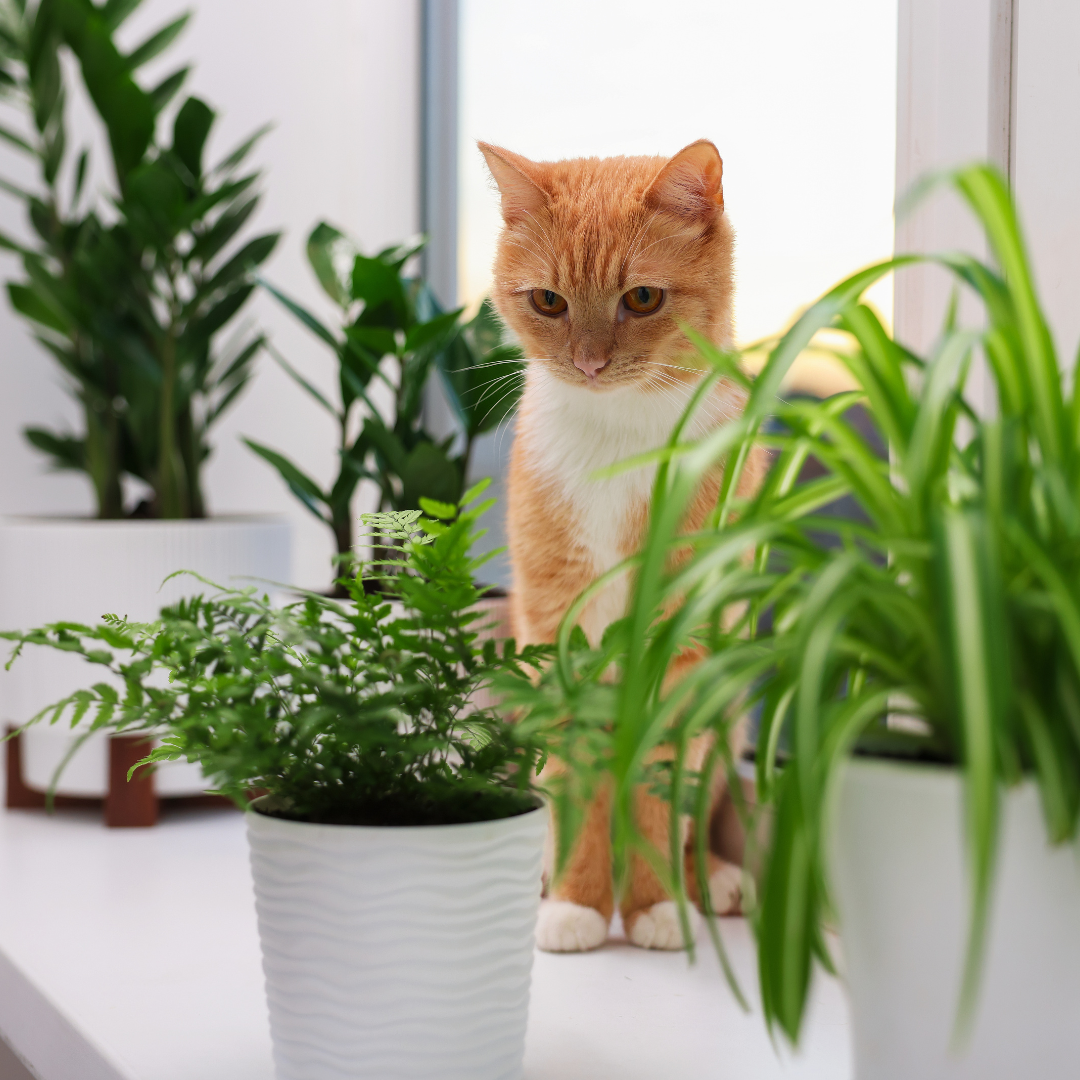
This month, we wanted to share a few helpful reminders inspired by an article written by Dr. Maria Zayas for Adopt a Pet. We are deeply grateful to Dr. Zayas for sharing this information with the pet-loving community and helping families create safer environments for the animals they care for so deeply.
Her full article offers a detailed guide to plants that may be toxic to pets, along with signs to watch for and tips for prevention. Below are just a few important takeaways.

A Few Common Plants to Be Aware Of
Some plants that are beautiful in homes and gardens can be harmful if chewed, swallowed, or even brushed against by pets.
A few commonly known toxic plants include:
- Lilies
- Sago palms
- Aloe vera
- Tulips
- Daffodils
- Azaleas
- Oleander
- Ivy
- Philodendrons
In some cases, these plants may cause mild stomach upset. Others can lead to much more serious health concerns affecting the heart, liver, or kidneys.
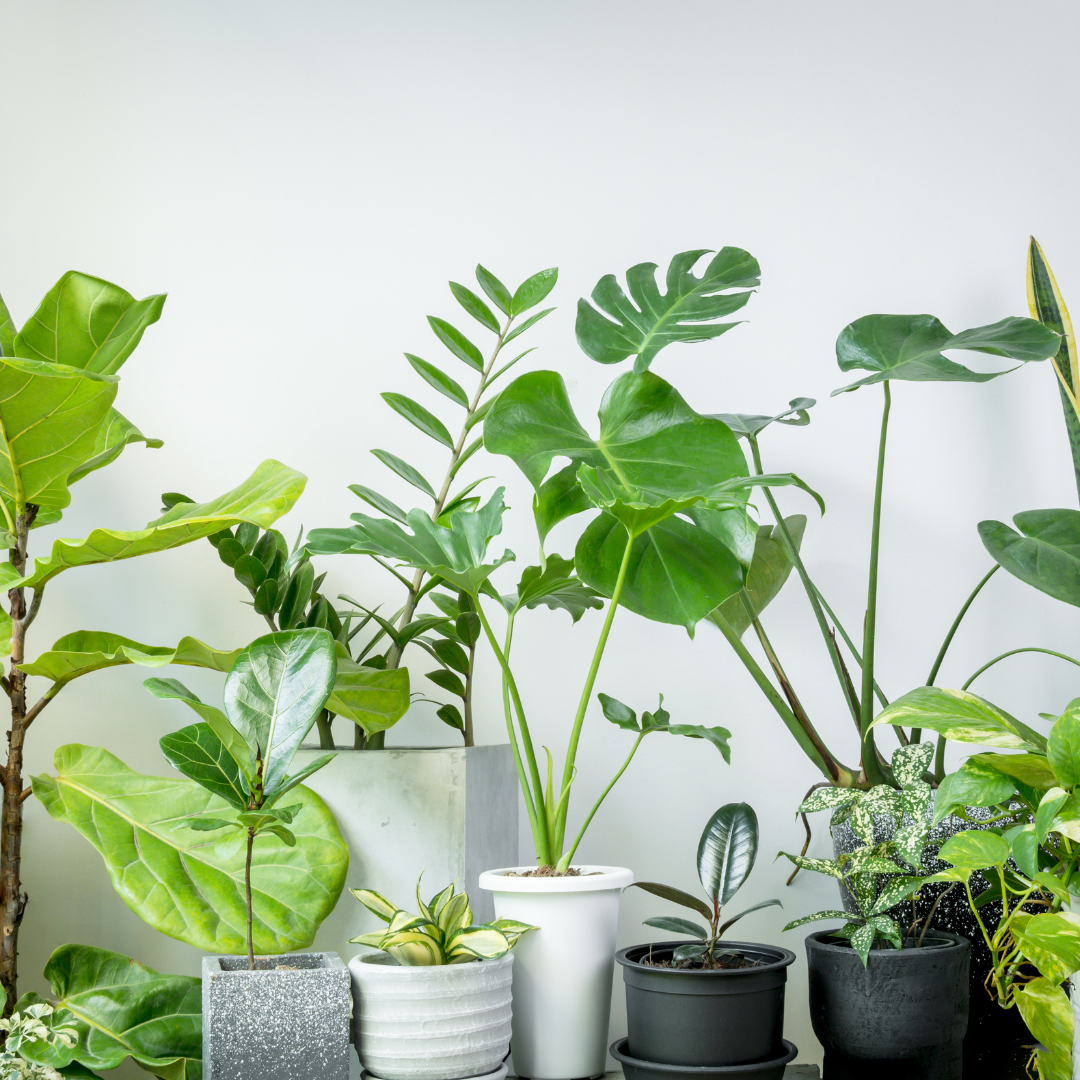
Signs Your Pet May Have Eaten Something Harmful
Every animal reacts differently, but some common symptoms may include:
- Vomiting
- Drooling
- Diarrhea
- Lethargy
- Trouble breathing
- Loss of appetite
- Tremors or unusual behavior
If you believe your pet may have ingested a toxic plant, it is always best to contact your veterinarian or an emergency animal clinic as soon as possible.

Creating a Safer Space for Pets
One of the simplest ways to help protect pets is to check the plants already in your home or yard and research any new ones before bringing them into your space.
Dr. Zayas also encourages pet owners to:
- Keep potentially harmful plants out of reach
- Supervise curious puppies and kittens outdoors
- Learn the names of plants in your garden
- Choose pet-safe alternatives when possible
Even small changes can help create a more comfortable and secure environment for the animals who share our homes.
Learn More
This blog is only a brief overview of the information shared in Dr. Maria Zayas’ original article. We are thankful for the care and education she continues to provide for pet owners everywhere.
If you would like to explore the full guide, including a more extensive list of plants and detailed safety information, we warmly encourage you to read her article here:
Plants Toxic to Dogs and Cats by Dr. Maria Zayas
Thank you for walking alongside us in creating safer, more compassionate spaces for animals every day.