Spring Pet Safety: Helping Our Animals Enjoy the Season Safely

Spring Pet Safety: Helping Our Animals Enjoy the Season Safely
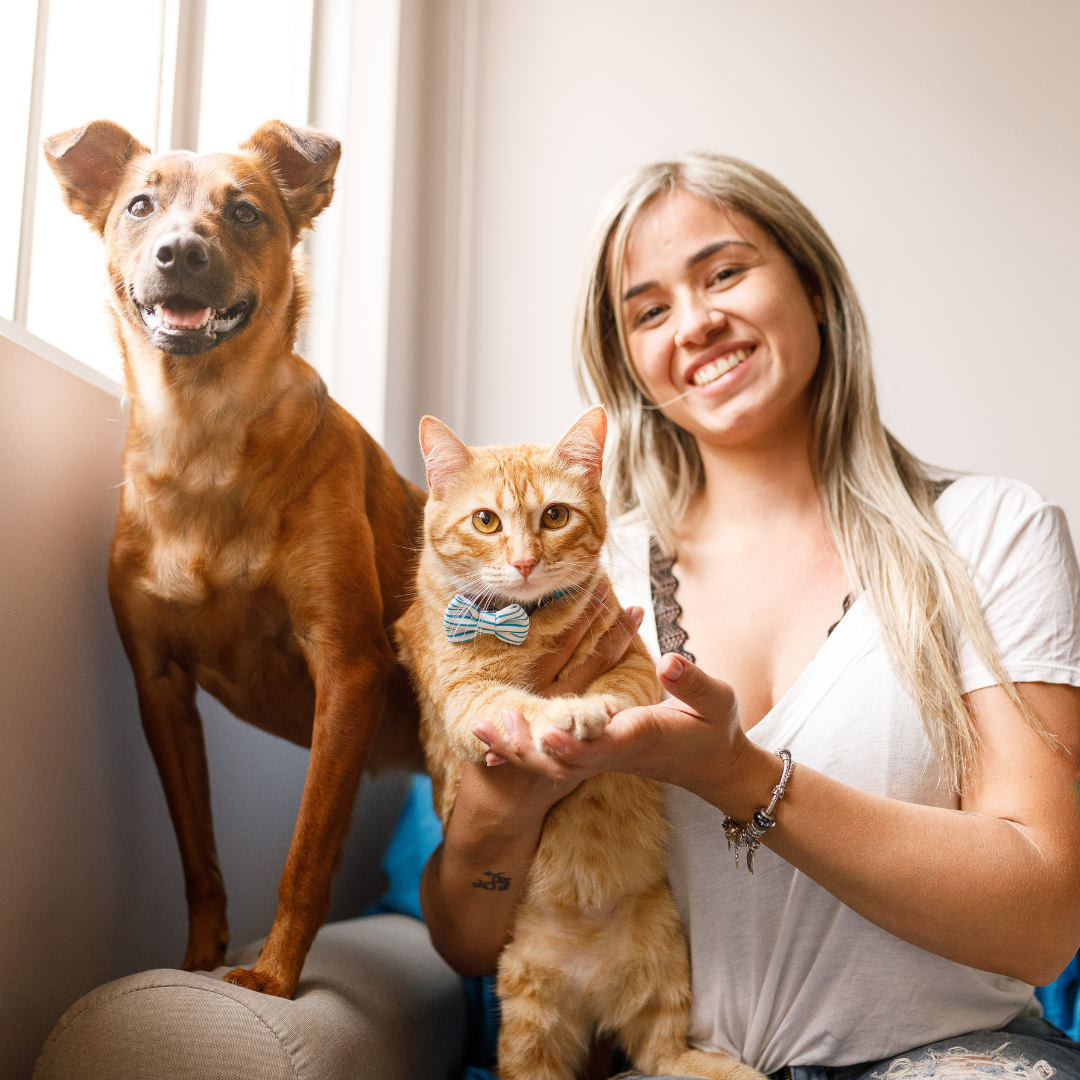
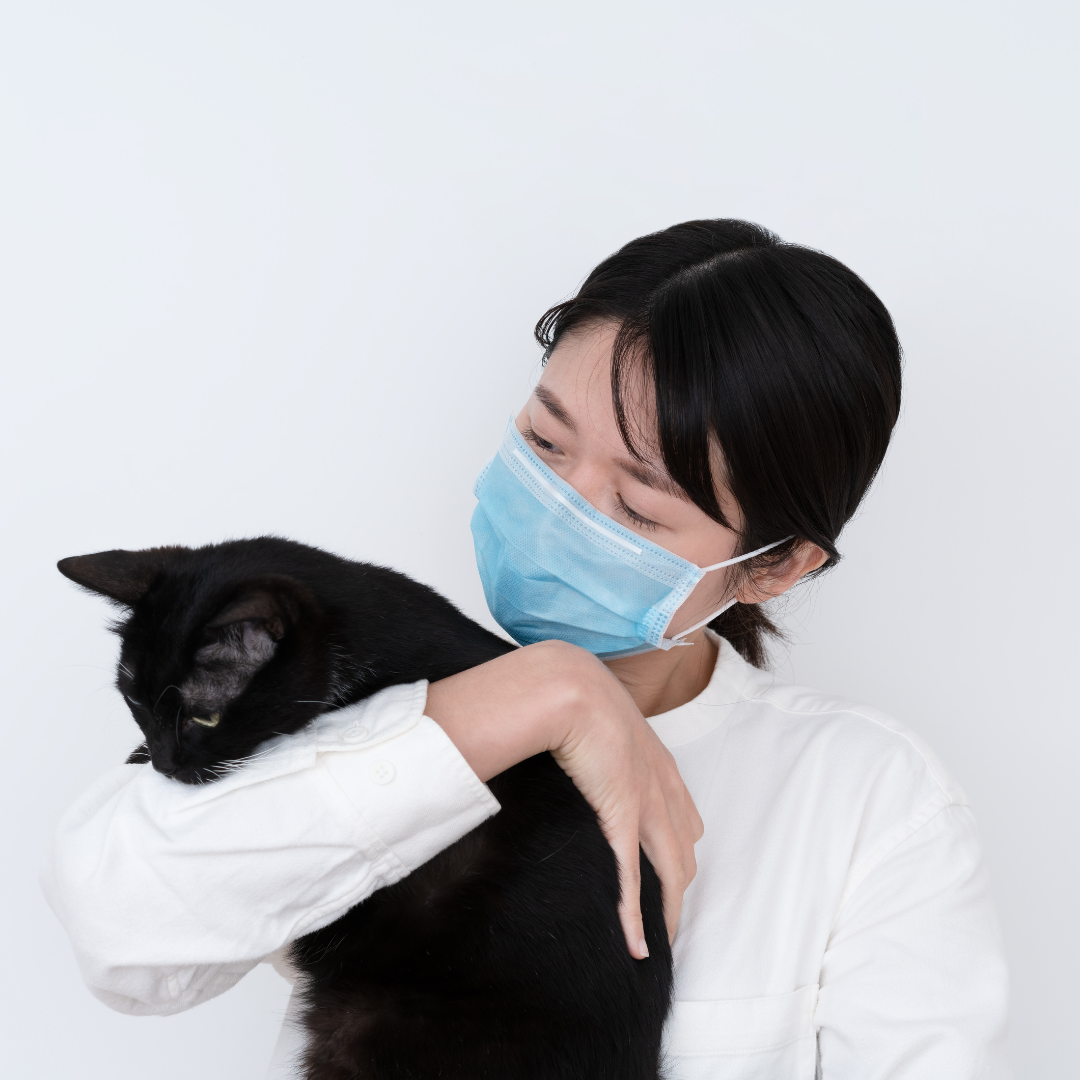
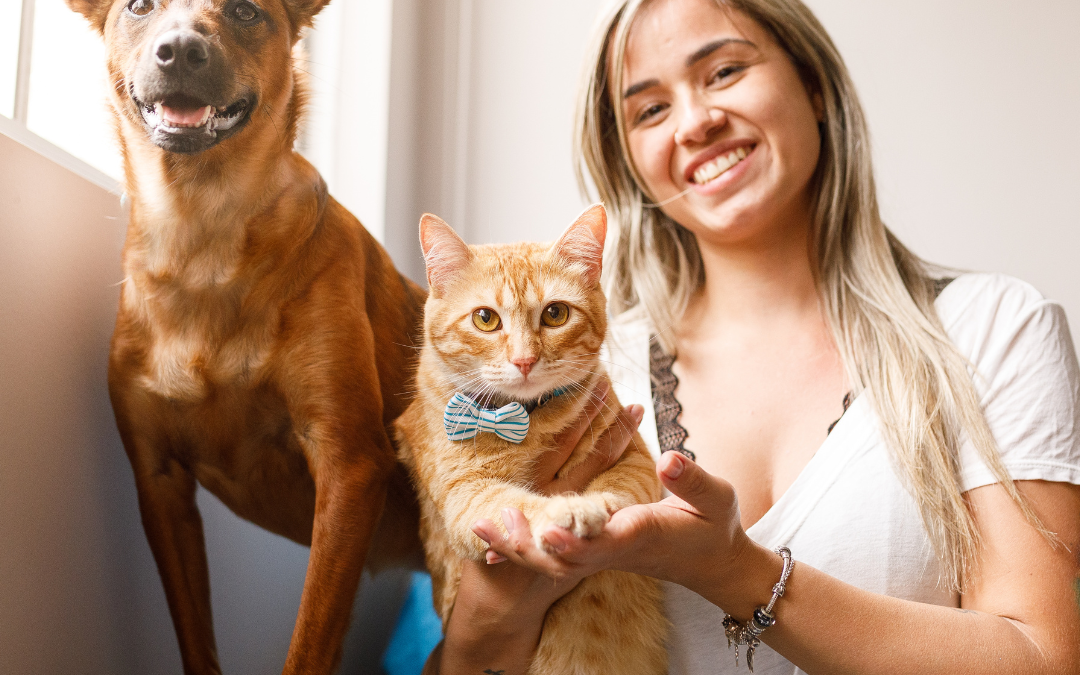
Pet owner with dog and cat
This article is inspired by and adapted from “A Pet Parent’s Guide to a Safe, Happy Spring” by Dr. Elizabeth Hardoon, originally published by Bark & Whiskers. You can read the original article here: https://www.barkandwhiskers.com/2026-03-23-spring-pet-safety-guide/.

As the days grow longer and the air warms, spring invites all of us outdoors. After the quieter months of winter, this season brings renewed energy, blooming gardens, and more time spent exploring the world with the animals we love.

For our dogs and cats, spring often means longer walks, more time in the yard, and the joy of fresh air and sunshine. At the same time, the season introduces a few new considerations for pet safety.

With a little awareness and preparation, spring can be a wonderful time for pets and the people who care for them.

Below are a few gentle reminders to help keep animals safe, comfortable, and happy as the season unfolds.

Spring Flowers and Plants to Watch For

Spring gardens are beautiful, but some common plants can be harmful to pets if eaten.

Flowers such as lilies, tulips, and azaleas are frequently found in yards and bouquets. While they brighten our homes and landscapes, they can cause serious health issues for animals that ingest them. Lilies are especially dangerous for cats and may lead to kidney failure, even in small amounts. Tulip bulbs contain the highest concentration of toxins, and azaleas can lead to digestive upset and heart complications if consumed.

Other plants sometimes found in ornamental gardens may also pose risks, including foxglove, bleeding hearts, and sago palms.

If you enjoy gardening, a few simple precautions can make a difference:

  • Research plants before adding them to your home or yard
  • Keep potentially harmful plants out of reach
  • Supervise pets who enjoy exploring or chewing outdoors
  • Consider fencing off garden beds if needed

If you ever suspect a pet has eaten a toxic plant, contacting your veterinarian promptly is the safest next step.
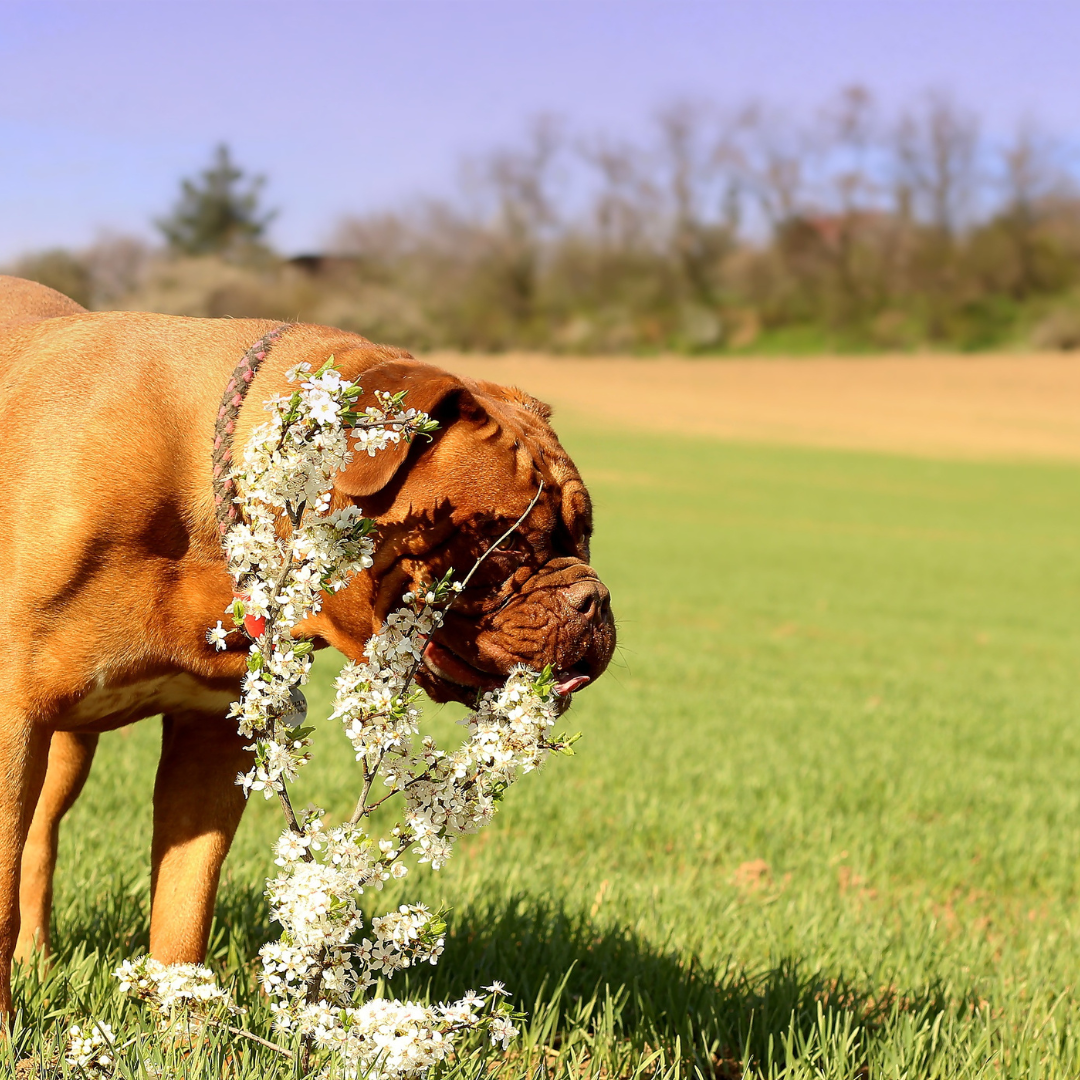
Dog smelling flowers

Lawn and Garden Products

Spring is also the season when many households begin caring for lawns and gardens again. Fertilizers, herbicides, and insect treatments can help maintain outdoor spaces, but some of these products may be harmful to pets.

Certain fertilizers contain ingredients that may cause digestive issues if ingested. Some pest control products, such as slug and snail baits that contain metaldehyde, can be particularly dangerous if eaten.

A few thoughtful habits can help reduce risks:

  • Follow product directions carefully
  • Store lawn products securely and out of reach
  • Keep pets off treated areas until surfaces are fully dry
  • Rinse paws or bathe pets if they walk through treated areas

These small steps help protect curious noses and paws while still allowing you to care for your outdoor space.
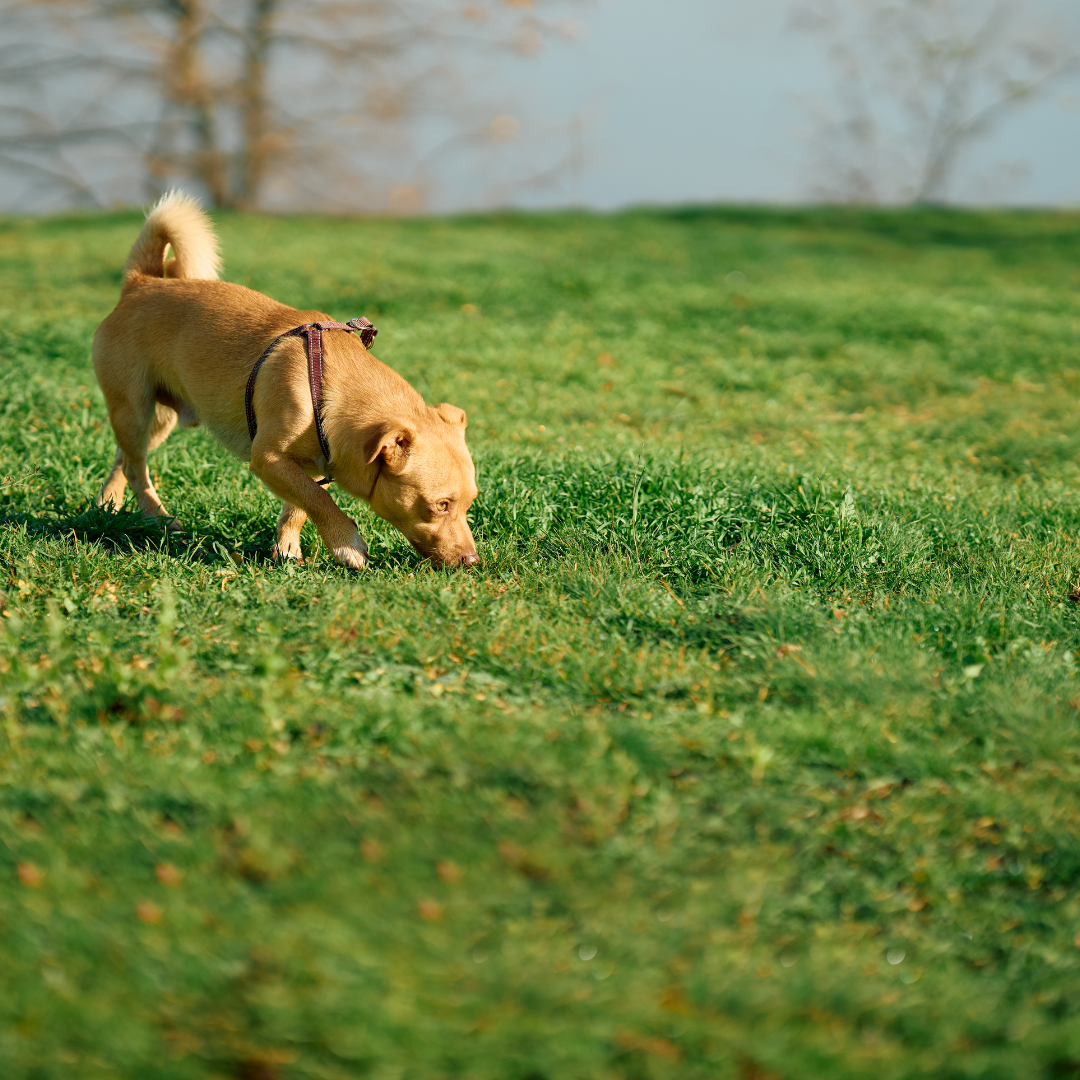
Dog smelling the grass

Spring Cleaning and Household Safety

Spring cleaning often brings a sense of renewal to our homes. As cabinets are emptied and surfaces are scrubbed, it is helpful to remember that many cleaning products contain chemicals that may irritate a pet’s skin, eyes, or lungs.

Common products such as bleach, ammonia, and certain disinfectants can cause discomfort if animals inhale fumes or walk across freshly cleaned surfaces.

When cleaning or tackling home projects, consider:

  • Placing pets in another room while cleaning
  • Opening windows or using fans for ventilation
  • Storing cleaning supplies securely
  • Allowing surfaces to dry before pets return to the area

For larger renovation projects involving paints or solvents, it may be helpful to keep pets in a quieter and safer space away from the work.

Windows and Curious Cats

Fresh air is one of the simple joys of spring. Many households open windows to let the breeze move through the home.

For cat households, this is a good time to check window screens. Cats may become excited by birds, insects, or movement outdoors and attempt to jump toward the opening.

Secure, well-fitted screens help ensure that indoor cats remain safe while still enjoying the sights and sounds of spring.
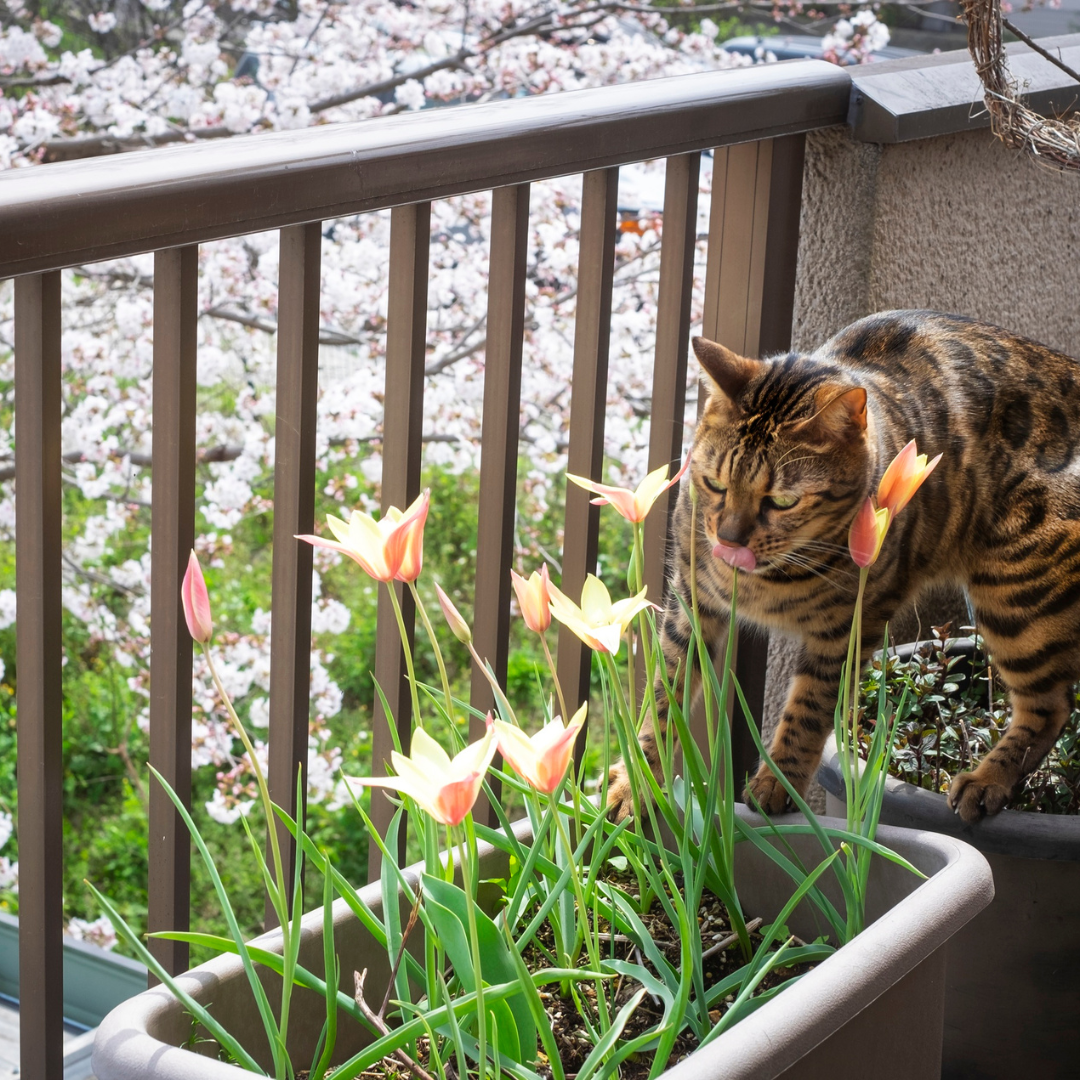
Cat going through some flowers

Parasites and Seasonal Allergies

Warmer weather also means that fleas, ticks, and mosquitoes become active again. These insects can transmit illnesses such as Lyme disease and heartworm, which is why veterinarians often recommend year-round prevention.

Checking your pet for ticks after outdoor adventures and keeping up with preventive care can help reduce risk.

Spring may also bring seasonal allergies for some animals. Pets experiencing allergies may show signs such as:

  • Frequent scratching
  • Licking at paws
  • Red or watery eyes
  • Sneezing
  • Skin irritation or ear infections

If these symptoms appear, a veterinarian can help determine the cause and recommend ways to keep your pet comfortable.

Enjoying Outdoor Adventures Safely

One of the best parts of spring is the opportunity for outdoor adventures. Whether it is a longer walk through the neighborhood, a visit to the park, or a road trip with your dog, these moments can strengthen the bond between animals and the people who care for them.

A few thoughtful practices help keep those outings safe:

  • Secure pets in vehicles using crates or seatbelt harnesses
  • Bring fresh water for longer walks or trips
  • Be mindful of hot pavement on warmer days
  • Never leave pets in parked vehicles
  • Ensure pets wear identification tags and have updated microchip information

Even the most well-trained pet can become distracted outdoors. Proper identification helps ensure a safe reunion if an animal ever wanders away.
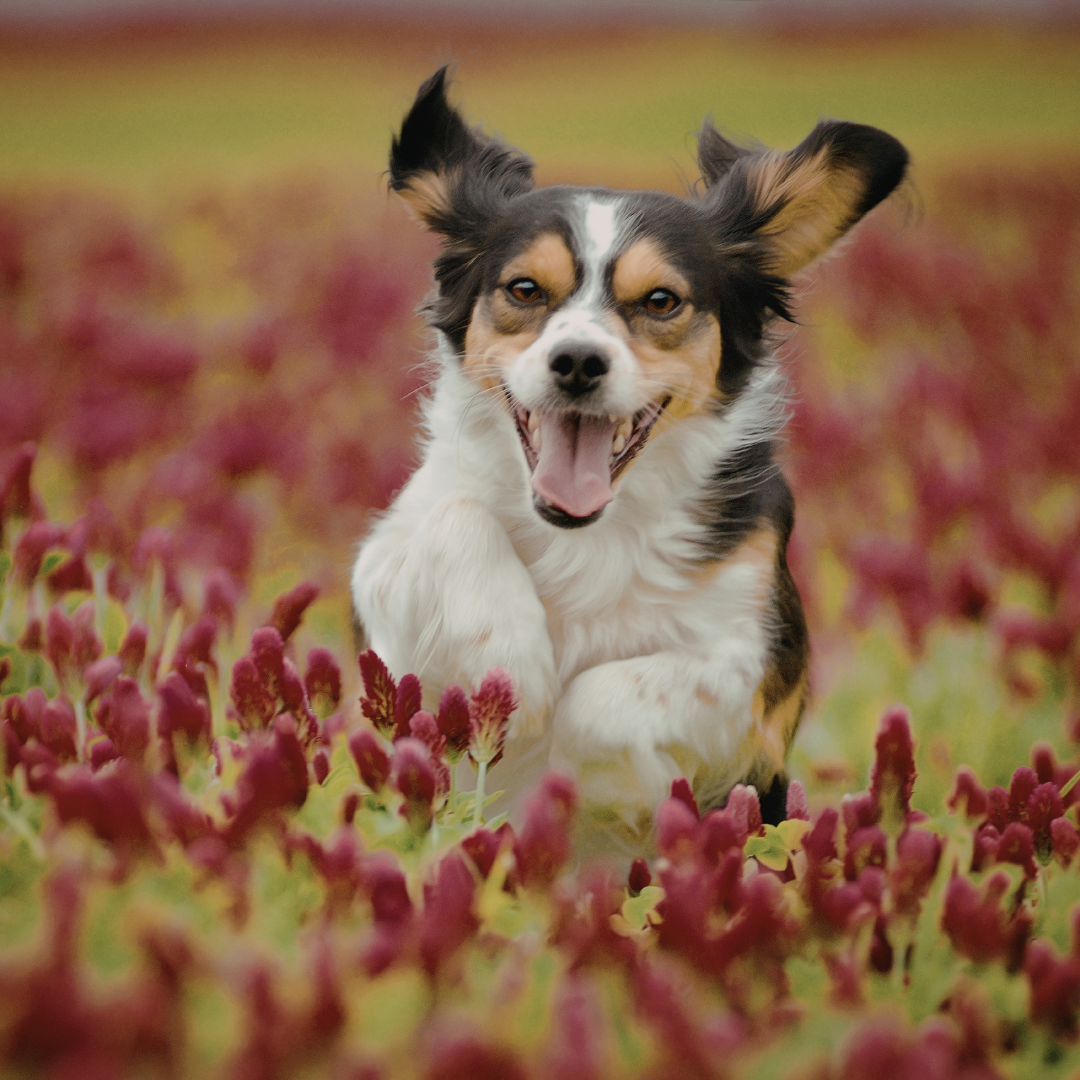
dog sprinting through flowerfield

A Season to Enjoy Together

Spring is a beautiful reminder of renewal. It invites us to slow down, step outside, and spend time with the animals who share our lives.
With a little preparation and awareness, this season can be full of safe walks, sunny afternoons, and joyful moments together.

At Hallie Hill, we are grateful for every person who takes the time to care thoughtfully for the animals in their lives. That kindness helps create a safer and more compassionate community for pets everywhere.

This article was adapted from “A Pet Parent’s Guide to a Safe, Happy Spring” by Dr. Elizabeth Hardoon, originally published by Bark & Whiskers. The original article can be read here: https://www.barkandwhiskers.com/2026-03-23-spring-pet-safety-guide/.
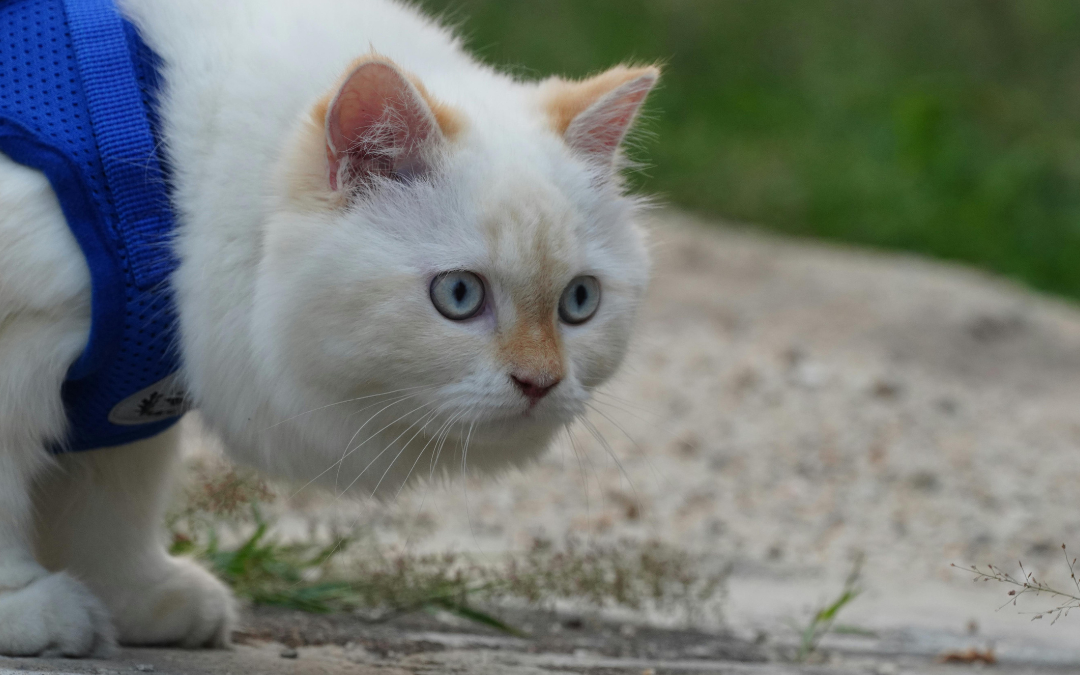
Can Cats Enjoy Walks Outdoors? A Gentle Guide to Exploring the World Together

Can Cats Enjoy Walks Outdoors? A Gentle Guide to Exploring the World Together

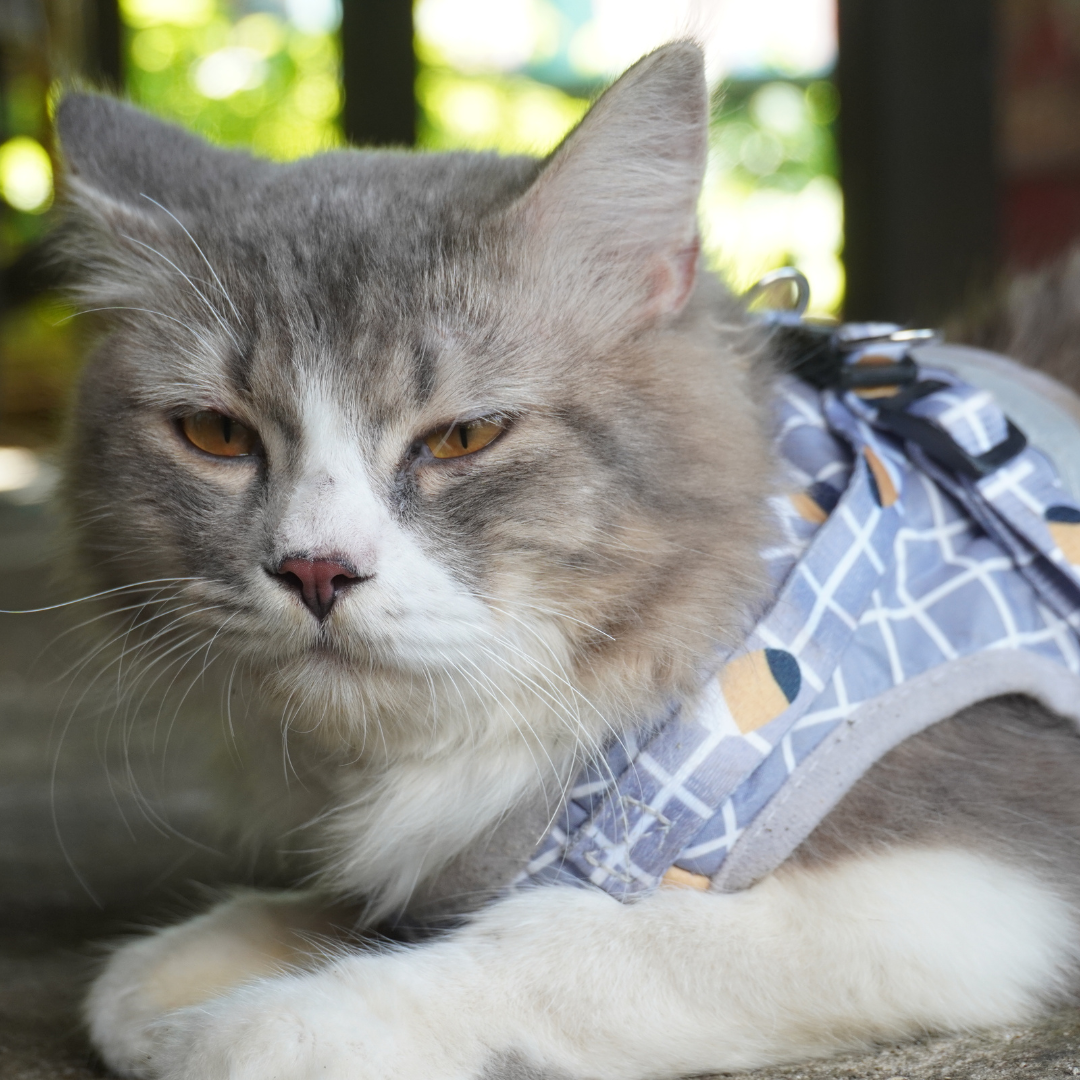
Cat in a harness
Inspired by an article by Dr. Karen Becker originally published on Bark & Whiskers. You can read the original article here: https://www.barkandwhiskers.com/2016-02-27-nl-walking-cat-outdoors/

For many people, the idea of walking a cat outdoors might sound unusual at first. Dogs are known for their love of walks, but cats are often thought of as strictly indoor companions.

Yet some cats truly enjoy experiencing the outside world in a safe and thoughtful way.

When done patiently and with care, walking a cat outdoors can become a meaningful way to enrich their life while strengthening the connection you share.

At Hallie Hill Animal Sanctuary, we often talk about meeting animals where they are. Each animal has their own personality, comfort level, and sense of curiosity. Some cats are perfectly content watching the world from a sunny window. Others may enjoy gentle exploration beyond the front door.

For those curious and confident cats, outdoor walks can provide a new kind of enrichment.

Why Some Cats Enjoy Outdoor Walks

Cats are naturally observant animals. They take in their surroundings through scent, sound, and careful movement.

A safe outdoor walk can offer:

• new smells and textures
• mental stimulation
• opportunities to explore at their own pace
• a deeper sense of engagement with their environment

For indoor cats especially, these moments can help break up daily routines and provide healthy stimulation for both mind and body.

The key is allowing the experience to unfold slowly and on the cat’s terms.

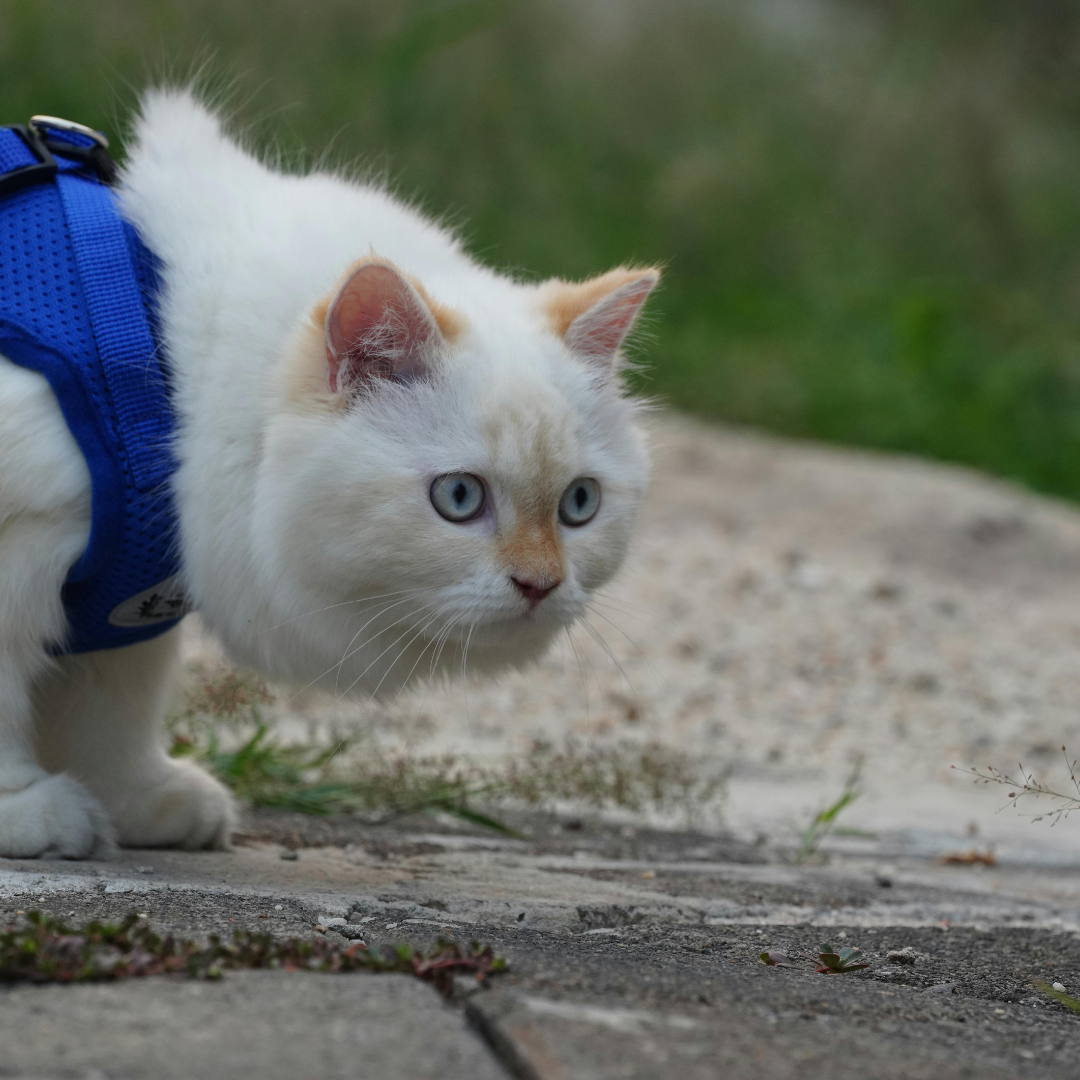
Cat in a harness 2

Safety Comes First

Cats should never be taken outdoors on a collar and leash alone. A secure, well-fitted harness designed specifically for cats is essential.

Cats can easily slip out of standard collars, and a harness provides the stability needed to keep them safe.

Equally important is making sure your cat is comfortable wearing the harness before stepping outside. The process often begins indoors.

Start by letting your cat simply wear the harness inside the home for short periods. Allow them to move around, explore, and adjust while you offer reassurance and encouragement.

Patience is everything here. Some cats adapt quickly. Others may need more time.

Both are perfectly okay.

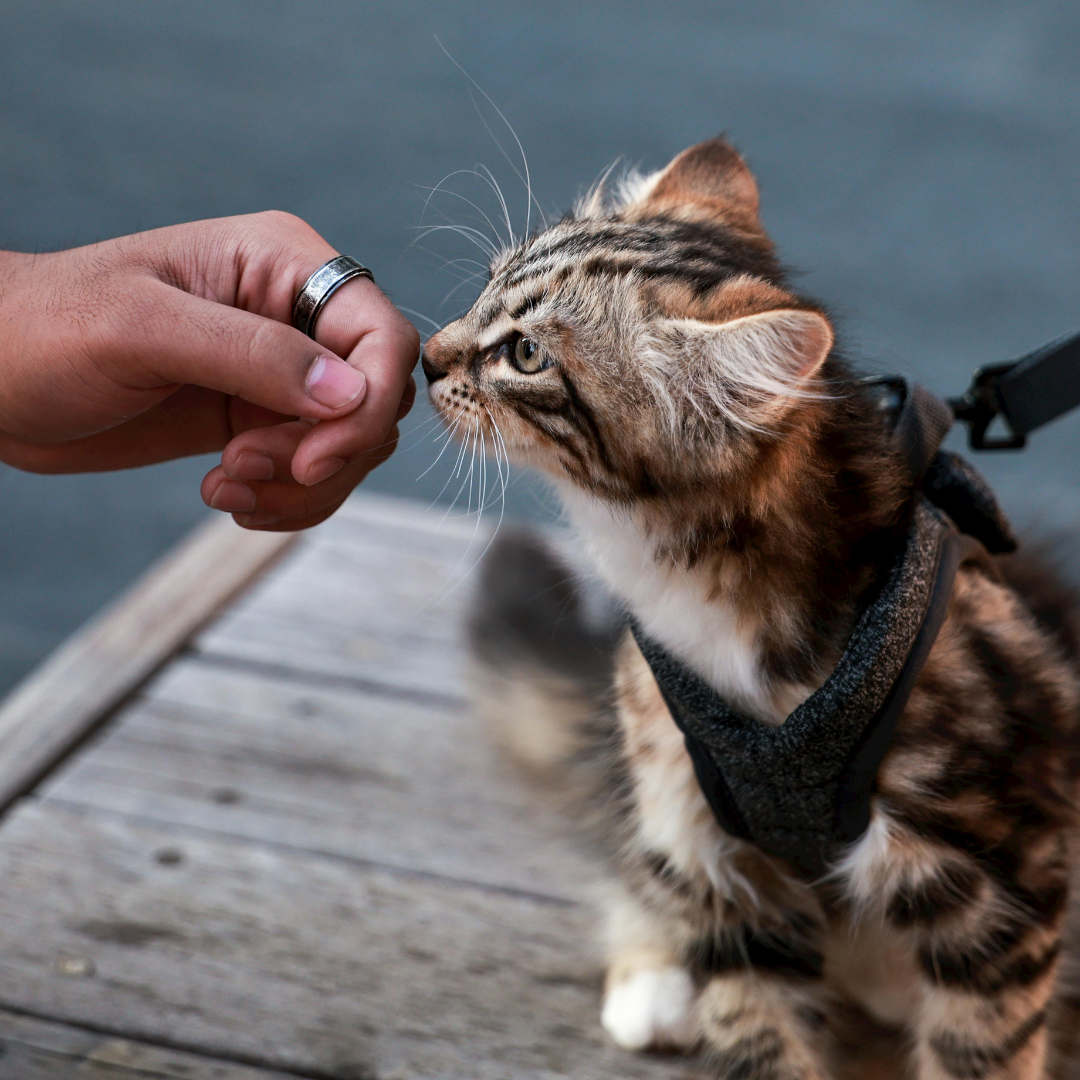
Cat in a harness greeting a stranger.

Let Your Cat Lead the Way

Unlike dogs, cats do not usually walk in a straight line beside their human. A walk with a cat is less about distance and more about discovery.

Your cat may pause frequently to observe birds, listen to leaves moving in the breeze, or inspect a patch of grass.

Allow them that space.

The goal is not exercise in the traditional sense. It is a gentle exploration and sensory enrichment.

Choose quiet outdoor spaces where sudden noises, traffic, or unfamiliar dogs are less likely to cause stress.

A calm backyard, garden, or quiet corner of a park can be a wonderful place to begin.

Knowing When It Is Not the Right Fit

Outdoor walks are not right for every cat.

Some cats feel safest indoors and prefer the predictability of their home environment. If a cat shows signs of stress or discomfort during harness training or outdoor time, it is important to respect those signals.

There are many other ways to provide enrichment for indoor cats.

Window perches, climbing spaces, interactive toys, and quiet time with their favorite people can offer meaningful stimulation without leaving home.

What matters most is creating a life that feels safe, engaging, and supportive for the individual animal.

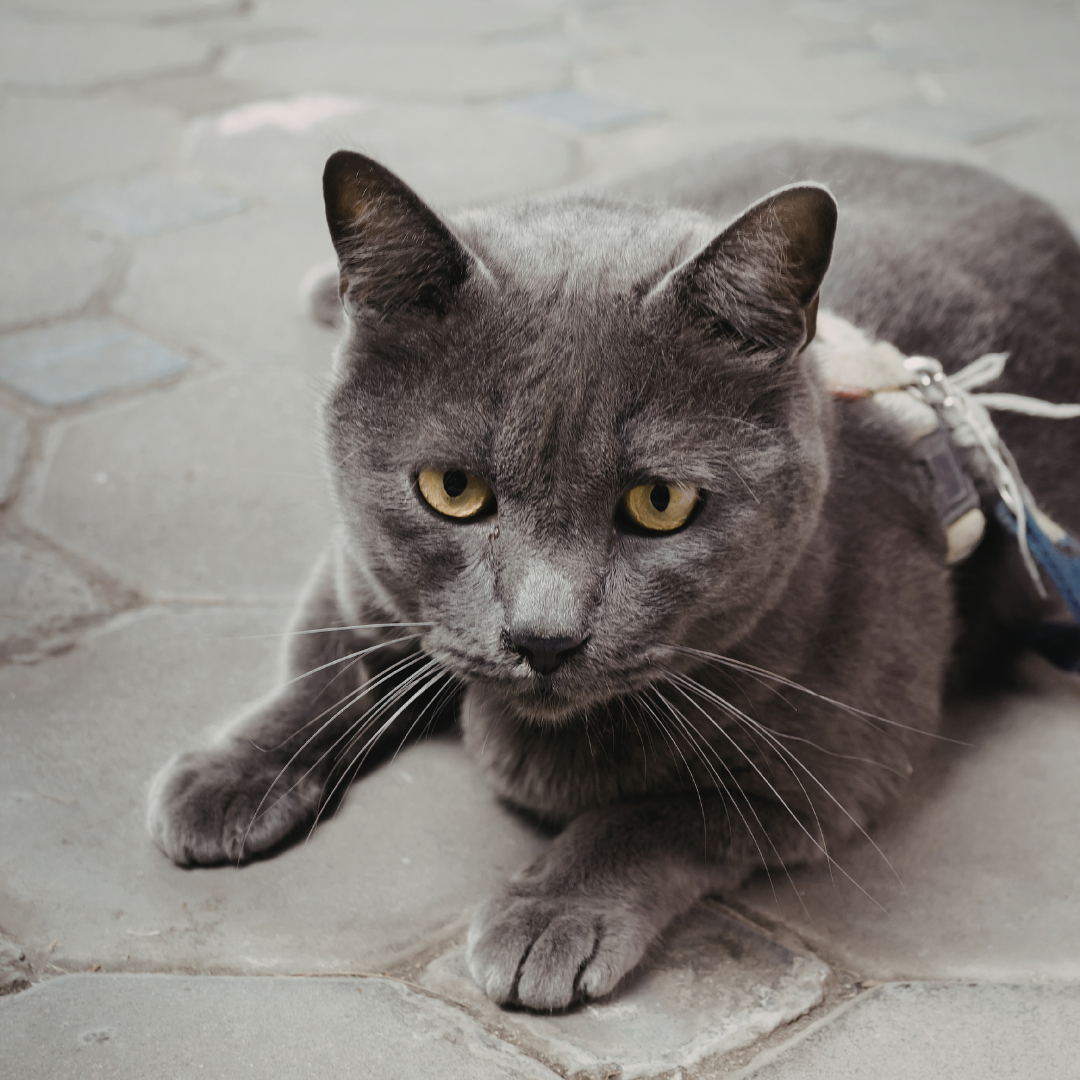
Cat in a harness laying down. Appears to be curious about something.

A Thoughtful Way to Enrich a Cat’s Life

For the right cat, outdoor walks can become a peaceful shared experience.

They allow cats to engage their senses, observe the natural world, and enjoy time alongside the person they trust.

Like many good things in animal care, the process works best when it is guided by patience, kindness, and careful attention to the animal’s comfort.

Those values are at the heart of everything we strive for at Hallie Hill.

Each animal that comes through our sanctuary reminds us that connection grows through gentle presence, steady care, and respect for who they are.

If you share your life with a curious feline companion, a slow introduction to the outdoors may open the door to a new kind of enrichment.

And if you are considering welcoming a cat into your home, many wonderful companions at Hallie Hill are patiently waiting for loving homes and second chances.

We would love to welcome you to learn more about them.

Article inspiration and research credit:
Dr. Karen Becker, Bark & Whiskers
Read the original article here:
https://www.barkandwhiskers.com/2016-02-27-nl-walking-cat-outdoors/

April Adorable Adoptables

April Adorable Adoptables

At Hallie Hill, every animal that arrives here brings their own story, personality, and quiet hope for what comes next.

This month, we would love to introduce you to a few of the wonderful animals currently waiting for a loving home. Each one has settled into life at the sanctuary in their own way, and each one is ready for the kind of connection that only a forever family can offer.

If one of these sweet companions feels like the right fit for your home, we would be honored to help you meet them.

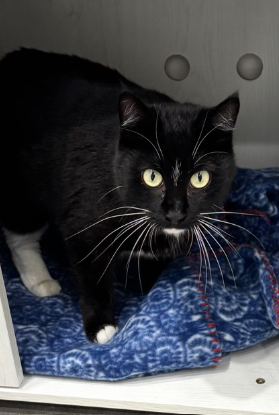
Jigglypuff

Jigglypuff came to Hallie Hill at three years old from an overcrowded shelter, and she has quickly shown us just how affectionate she is.

She is the kind of cat who likes to greet visitors and be part of the moment. Scratches, attention, and a cozy place nearby are some of her favorite things. Jigglypuff has a gentle, loving nature and enjoys being close to people who are happy to spend a little time with her.

She would make a wonderful addition to a home that appreciates a friendly companion and a warm presence.

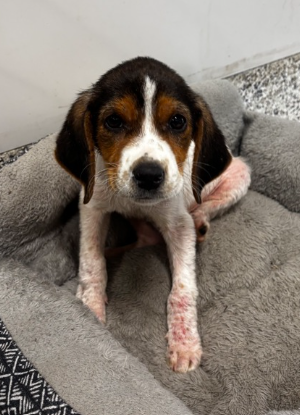
Rascal

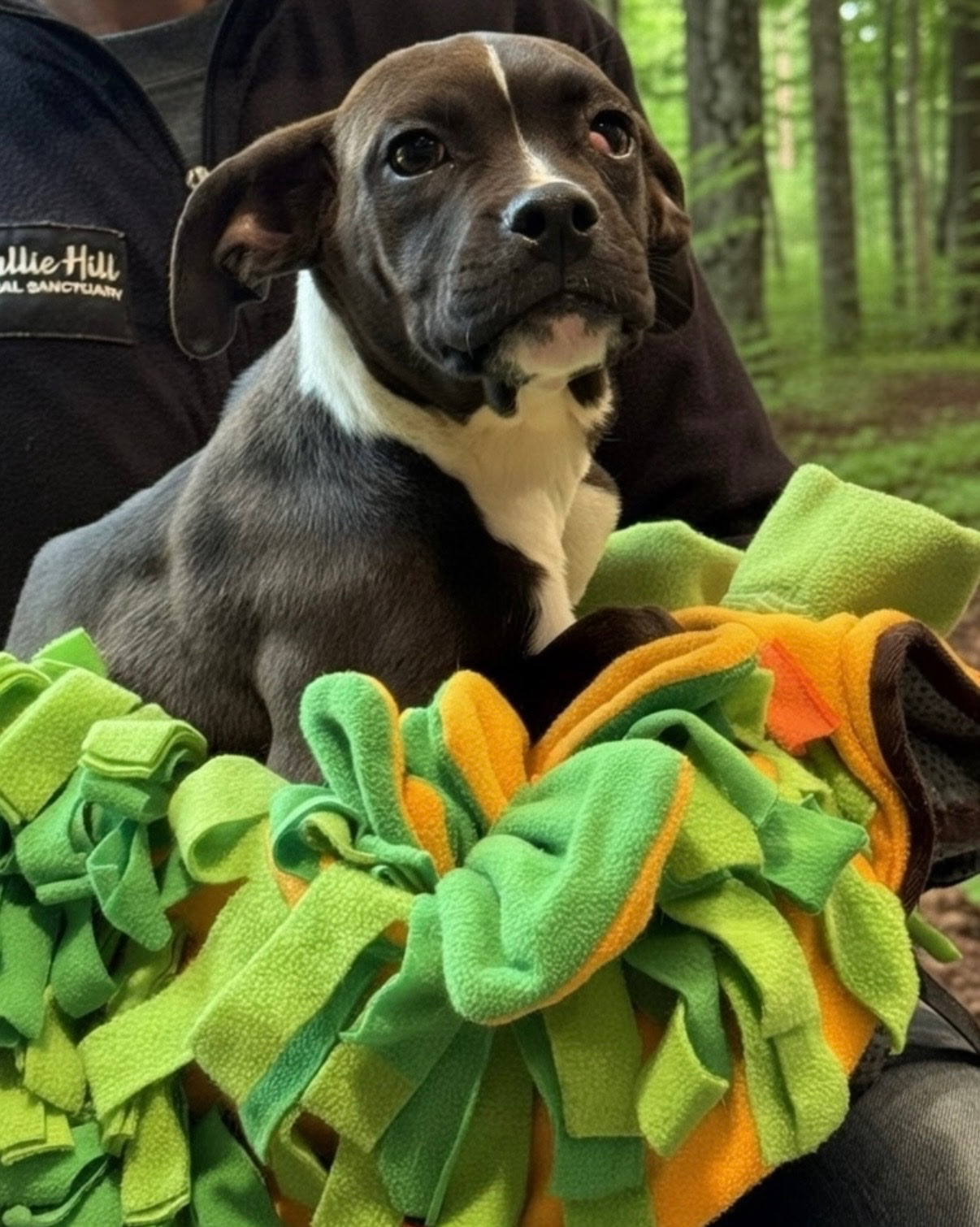
Rascal is a two-month-old hound mix who arrived after being found wandering along a busy highway. He is still very young and discovering the world around him, and that curiosity shines through in everything he does.

This sweet puppy loves to snuggle and has already become known for the little puppy grunts he makes when he is getting extra attention. Rascal enjoys rolling in the grass, soaking up affection, and spending time with people.

He does have some skin and fur challenges that our team is actively working on, but his joyful spirit has never slowed him down. With patience and love, Rascal is ready to grow into a wonderful member of a family.

Claudimus

Claudimus is a six-year-old Doberman Pinscher with a calm and thoughtful personality. He has previously lived with other dogs and with young children and has done well with both.

While he enjoys playing with other dogs, Claudimus also knows when he has had enough and prefers interactions that stay friendly and relaxed. He is very tuned in to the people around him and loves leaning into someone for affection.

That closeness with his humans is where Claudimus truly shines. He is happiest when he can be near the people he trusts and share those quiet, affectionate moments.

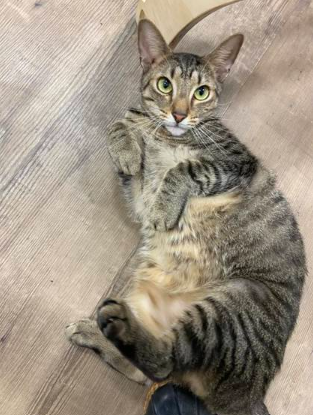
Radar

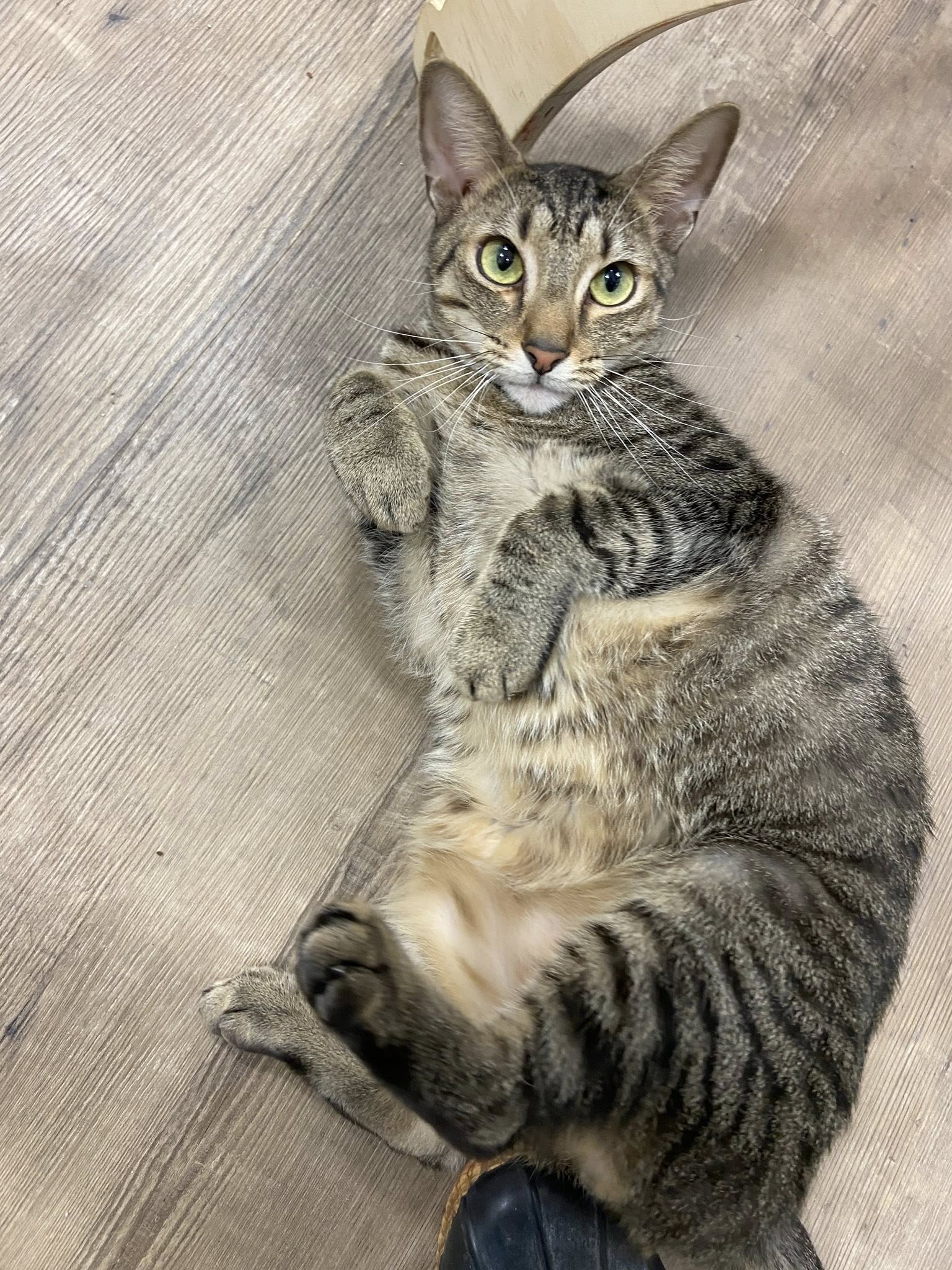
Radar is a five-year-old brown tabby who has perfected the art of relaxing in a sunny window.

When visitors arrive, however, his playful side quickly appears. Radar loves to greet people and often rolls over for belly scratches once he feels comfortable. He has an easygoing personality and enjoys both attention and peaceful lounging time.

For someone looking for a gentle feline companion, Radar would be a wonderful match.

A Place to Begin a New Chapter

Every animal at Hallie Hill is given the time, care, and patience they need while they wait for their next chapter. Our team and volunteers work each day to provide comfort, safety, and connection for the animals who call the sanctuary home.

We are deeply grateful to our community for making that possible.

If one of these April Adorable Adoptables feels like a good fit for your home and your heart, we would love to welcome you to the sanctuary to meet them.

You can learn more about adoption and view additional available animals at:
https://www.halliehill.com/

And as always, thank you for walking alongside us as we continue providing second chances and loving care to the animals of Hallie Hill.

Affordable PETSinc Mobile Vet Clinic Returns to Hallie Hill on April 16

Affordable PETSinc Mobile Vet Clinic Returns to Hallie Hill on April 16

Apr 2026 | News

Access to compassionate veterinary care can make all the difference for animals and the people who love them. That is why we are grateful to continue partnering with PETSinc to bring their Affordable Mobile Veterinary Unit back to Hallie Hill Animal Sanctuary this April.

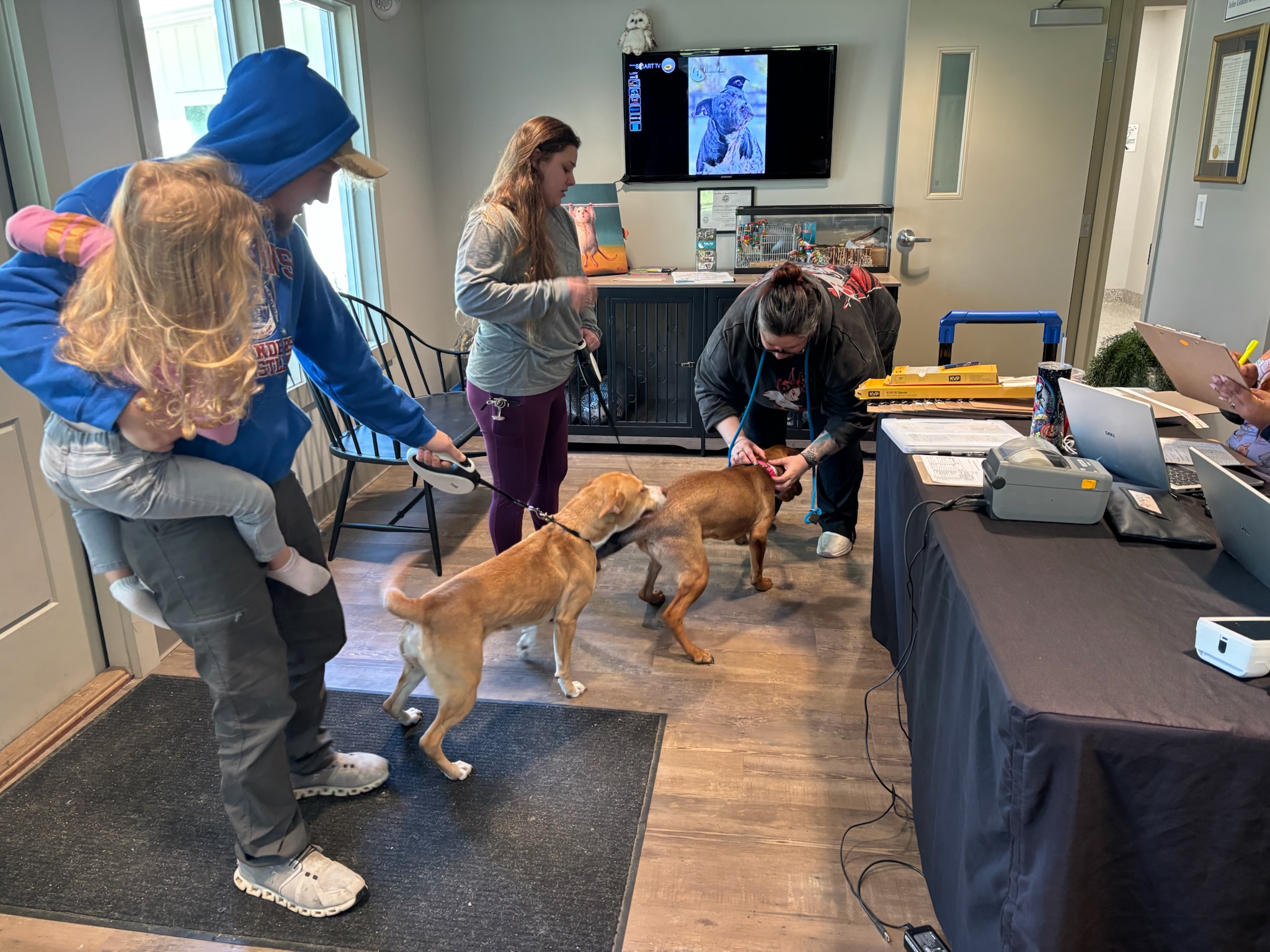
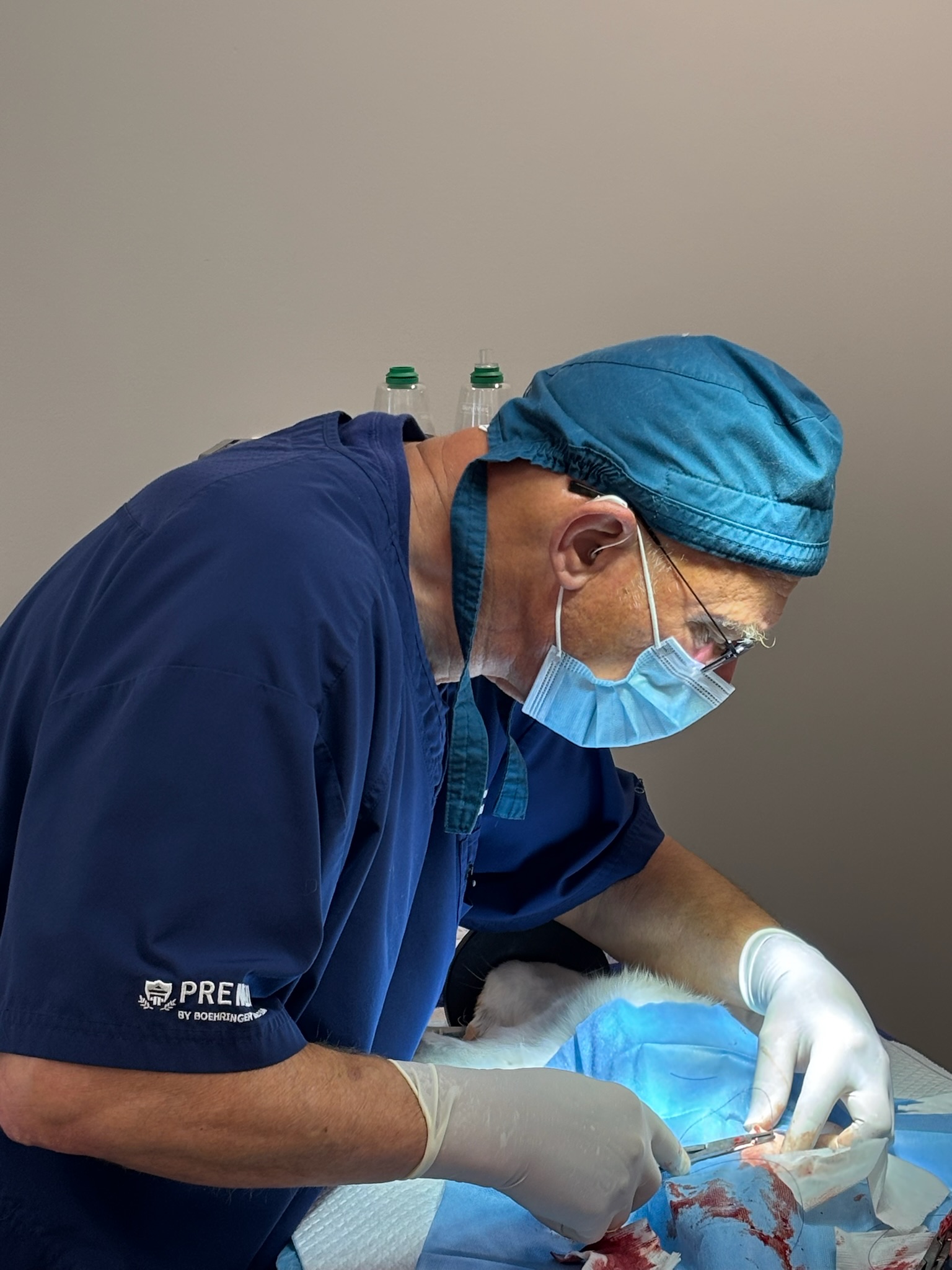
Our March clinic was another meaningful day for the community. Thanks to the dedication of the PETSinc veterinary team, volunteers, and supporters, 31 spay and neuter surgeries and 25 wellness visits were completed. Each visit helped a pet receive the care they needed to stay healthy and safe at home.

Moments like these remind us that when a community works together, more animals receive the comfort, dignity, and care they deserve.

Join Us for the April PETSinc Mobile Vet Clinic

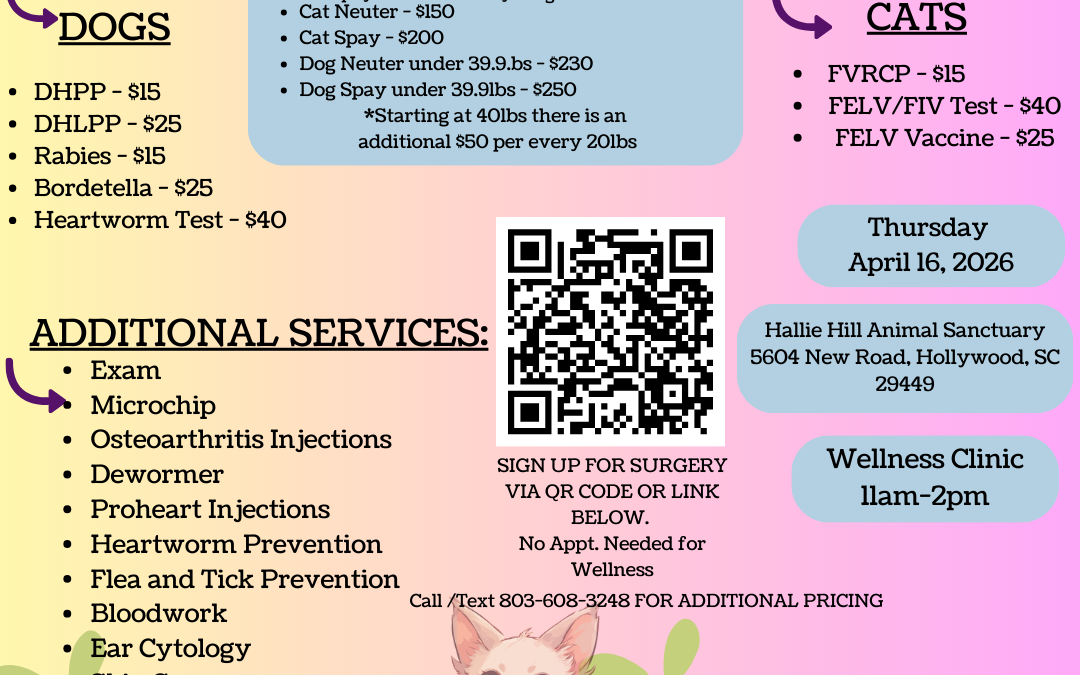
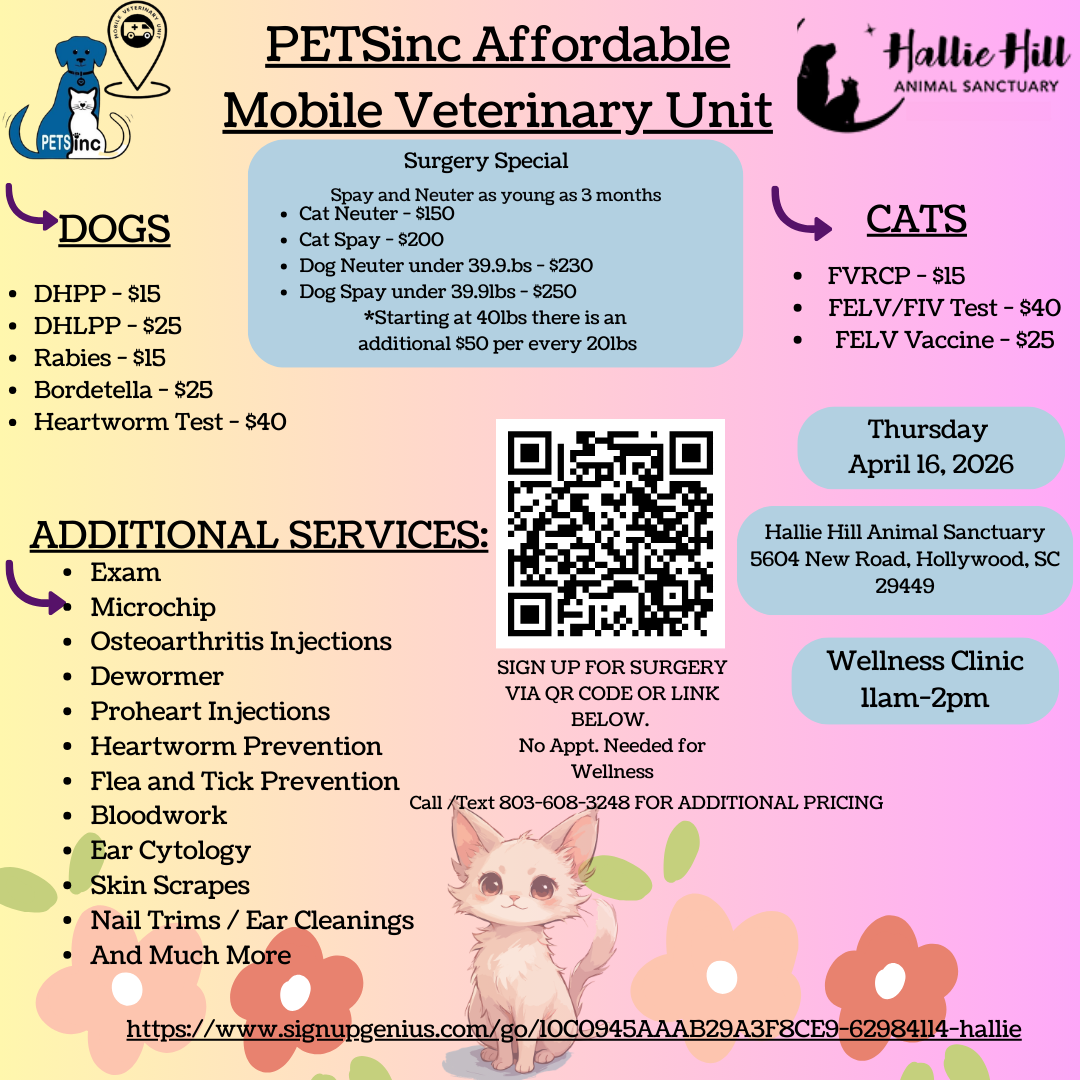
The PETSinc Affordable Mobile Veterinary Unit will return to Hallie Hill on:

Thursday, April 16, 2026
Wellness Clinic Hours: 11 AM to 2 PM
Hallie Hill Animal Sanctuary
5604 New Road
Hollywood, South Carolina

This clinic provides affordable veterinary services for both dogs and cats, helping families access essential care in a welcoming and supportive environment.

Surgery appointments are required, while wellness services are available during clinic hours without an appointment.

Surgery Services

Spay and neuter procedures are available at reduced pricing:

Cat Neuter – $150
Cat Spay – $200
Dog Neuter (under 39.9 lbs) – $230
Dog Spay (under 39.9 lbs) – $250

Pets as young as three months old may qualify for surgery.

For dogs starting at 40 pounds, an additional $50 fee applies for every 20 pounds.

Surgery appointments must be scheduled in advance.

Register here:
https://www.signupgenius.com/go/10C0945AAAB29A3F8CE9-62984114-hallie

Vaccines and Wellness Services

Wellness services are available during clinic hours and do not require an appointment.

For Dogs
DHPP – $15
DHLPP – $25
Rabies – $15
Bordetella – $25
Heartworm Test – $40

For Cats
FVRCP – $15
FELV/FIV Test – $40
FELV Vaccine – $25

These preventive services help protect pets from common diseases and support their long-term health.

Additional Veterinary Services

Additional care may also be available, including:

Microchipping
Bloodwork
Deworming
Flea and tick prevention
Heartworm prevention
Ear cytology
Skin scrapes
Nail trims and ear cleanings
Osteoarthritis injections

For additional pricing or service information, PETSinc can be contacted at 803-608-3248.

Why These Clinics Matter

Affordable veterinary care plays an important role in keeping animals healthy and preventing unnecessary suffering. Programs like the PETSinc Mobile Vet Clinic allow more families to access the services their pets need while strengthening the well-being of animals throughout our community.

Every spay or neuter procedure helps reduce the number of animals who may one day face homelessness. Every vaccine or wellness visit helps a pet live a safer, healthier life with the family that loves them.

Help Us Spread the Word

If this clinic could benefit someone you know, please consider sharing this information with neighbors, friends, or family members. Expanding awareness helps more animals receive the care they need.

With Gratitude

We are deeply thankful to the PETSinc team, our volunteers, and everyone who helps make these clinics possible. Your support allows us to continue creating opportunities for compassionate care and brighter futures for animals across our community.

Together, we are helping pets stay healthy, safe, and right where they belong.

Understanding Pain in Cats: What Every Cat Guardian Should Know

Understanding Pain in Cats: What Every Cat Guardian Should Know

This article was inspired by and draws information from the original piece “25 Signs Your Pet May Be in Pain” published by Bark & Whiskers. You can read the original article here.

At Hallie Hill Animal Sanctuary, we believe that caring for animals also means helping the people who love them feel informed and supported. Recognizing when a cat may be experiencing pain is an important part of that care.

Cats are remarkably resilient animals. They are also very good at hiding discomfort. Because of this, pain in cats can sometimes go unnoticed until it becomes more serious. Learning to recognize the subtle signs can make a meaningful difference in your cat’s health and quality of life.

Why Cats Hide Pain

In the wild, animals that show signs of injury or weakness can become targets for predators. Over time, cats developed a natural instinct to mask pain and vulnerability.

Even in safe homes with loving families, that instinct remains. A cat who is hurting may not cry out or behave dramatically. Instead, the signs are often quiet and easy to miss.

This is why attentive observation and regular veterinary care are so important. Your cat relies on you to notice when something may be wrong.

Pain should always be taken seriously. It can interfere with healing after injury or surgery, reduce appetite, and affect a cat’s overall well-being. Over time, unmanaged pain can also lead to decreased activity, behavioral changes, and a lower quality of life.

Common Causes of Pain in Cats

Pain in cats can come from a wide range of conditions. Some are visible, while others develop internally and may not be obvious at first.

A few common causes include:

  • Injury or trauma
  • Dental disease or oral infections
  • Eye, ear, or skin infections
  • Gastrointestinal issues
  • Urinary tract problems
  • Arthritis or joint degeneration
  • Diseases affecting the spine or nervous system
  • Recovery from surgery
  • Serious illnesses such as cancer

Older cats in particular may develop chronic conditions such as osteoarthritis or degenerative joint disease. These conditions can progress gradually, which makes subtle changes in behavior especially important to notice.

Signs Your Cat May Be Experiencing Pain

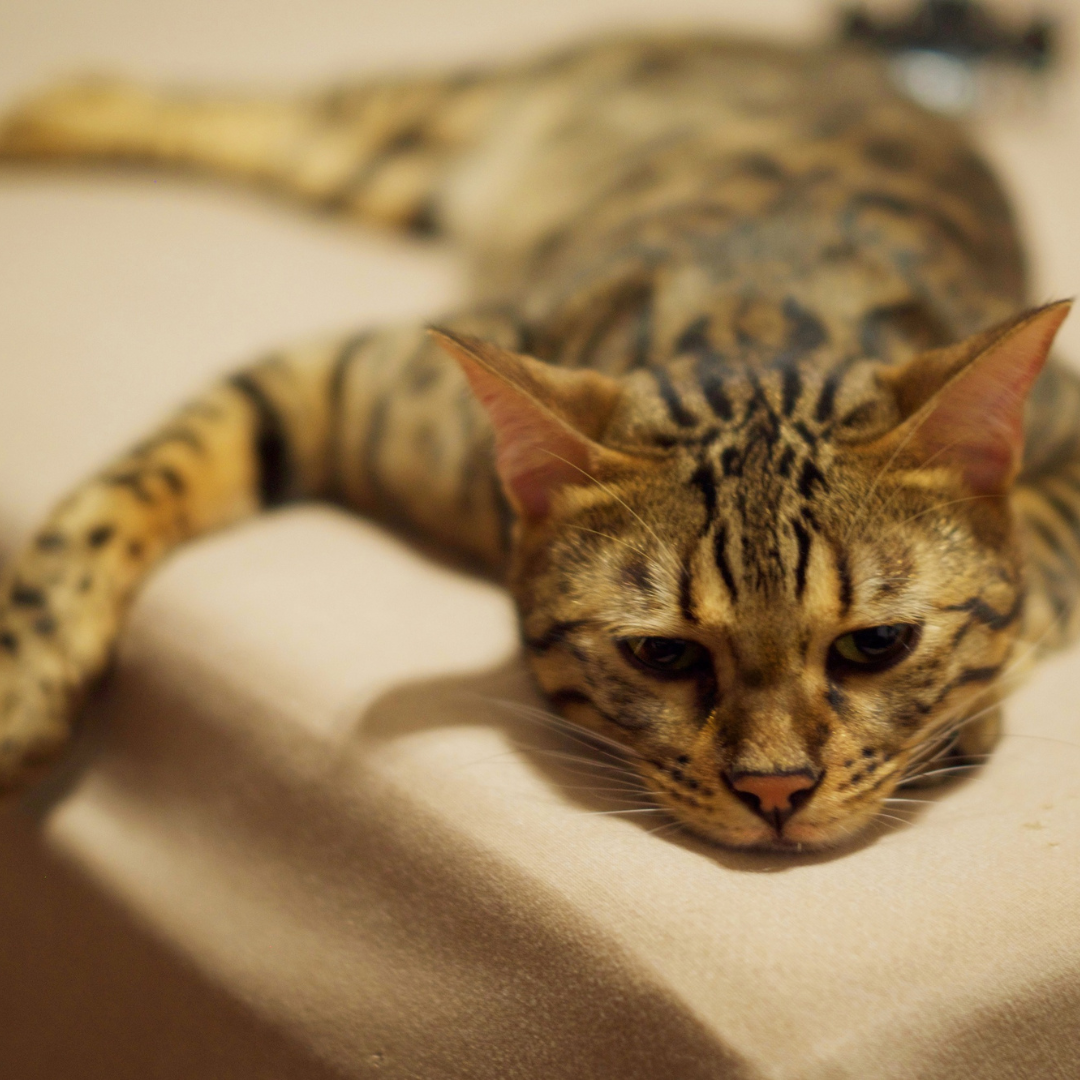
Because cats rarely vocalize discomfort, behavioral changes are often the clearest signals.

Researchers have identified many subtle indicators that may suggest a cat is experiencing pain. Some of the most common include:

  • Limping or changes in walking
  • Difficulty jumping or climbing
  • Reduced activity or reluctance to move
  • Spending more time hiding or withdrawing
  • Less grooming than usual
  • Decreased appetite
  • Changes in temperament or mood
  • A hunched posture or shifting weight frequently
  • Licking one particular area of the body repeatedly
  • Eyes partially closed or avoiding bright spaces
  • Growling, groaning, or unusual vocalization
  • Straining to urinate or changes in litter box behavior

Sometimes the only sign may be a small shift in routine. A cat who suddenly skips meals, hides more often, or stops greeting family members may be trying to communicate discomfort.

When something feels different, it is always wise to speak with your veterinarian.

The Importance of Early Care

Addressing pain early helps protect your cat’s overall health.

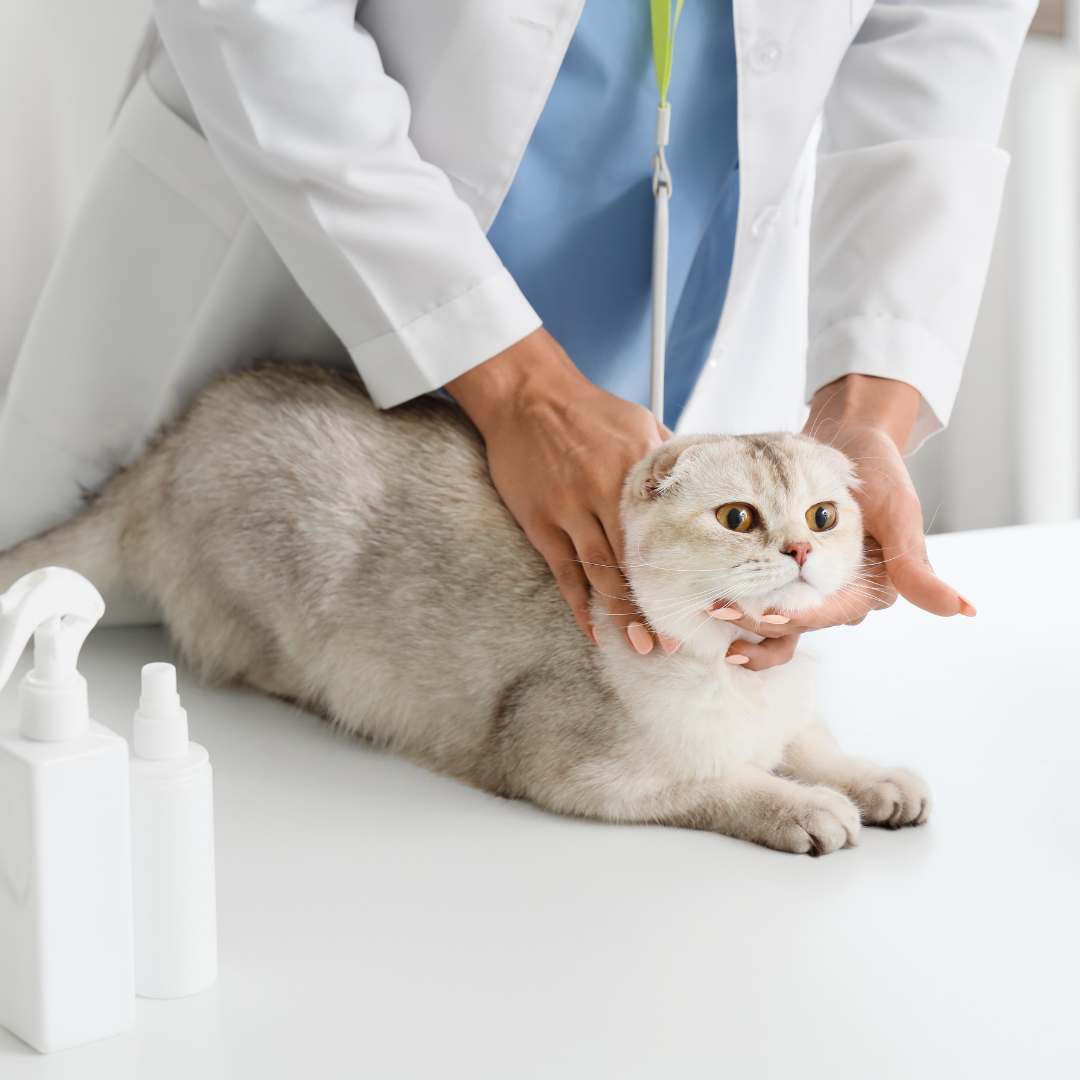
Veterinarians often treat pain while they work to identify the underlying cause. This approach keeps the animal comfortable while diagnostic testing or treatment begins.

If surgery is required, many veterinarians now focus on proactive pain management. Providing pain relief before, during, and after procedures can improve recovery and reduce stress for the patient.

Open communication with your veterinarian is helpful. You can ask about the plan for managing pain and how your cat will be supported throughout treatment.

Helping Reduce Stress During Vet Visits

For many cats, veterinary visits themselves can be stressful. Anxiety can intensify pain and make examinations more difficult.

Some veterinary clinics use calming tools such as synthetic feline facial pheromones in exam rooms. These products can help create a more relaxed environment for feline patients.

In certain situations, veterinarians may also recommend gentle sedation or anti-anxiety medication. This allows necessary examinations or procedures to be performed in a way that minimizes distress for the cat.

Exploring Different Approaches to Pain Management

Every cat is unique, and pain management often requires a thoughtful and individualized approach.

Veterinary treatment may include medications designed specifically for feline patients. Because cats process medications differently from other animals, dosing and drug selection must be handled carefully by a veterinarian.

In some cases, complementary therapies may also play a role in supporting comfort. These may include options such as:

  • Therapeutic massage
  • Chiropractic care
  • Acupuncture
  • Laser therapy
  • Physical rehabilitation

Nutritional support and anti-inflammatory diets can also help some cats, particularly those dealing with chronic conditions such as arthritis.

Working with a veterinarian who understands your cat’s individual needs can help determine which combination of treatments is most appropriate.

Supporting Your Cat’s Quality of Life

Pain does not only affect the body. It also shapes how animals experience their daily lives.

Mobility, playfulness, appetite, and interest in human interaction all contribute to a cat’s quality of life. A stimulating environment that includes enrichment, gentle play, and affection can help cats stay engaged and comfortable even when managing chronic conditions.

At the heart of it all is attentiveness. When we notice small changes and respond with care, we help ensure that our animals continue to feel safe, comfortable, and understood.

Walking Alongside Our Cats

Cats may not be able to tell us when something hurts, but they rely on us to notice the signs.

By learning to recognize subtle changes and working closely with trusted veterinary professionals, we can support our cats through illness, recovery, and aging with compassion and patience.

If you share your life with a cat, your awareness and presence matter more than you may realize.

And if you would like to explore the original article that inspired this piece, you can read it here.

March’s Adorable Adoptables

March’s Adorable Adoptables

Each month, a few animals step forward to represent the many who call Hallie Hill home while they wait for their forever families.

Our March Adorable Adoptables each have their own personality, their own quiet charm, and their own story that has led them here. What they share is something simple and meaningful. They are ready for connection, companionship, and the comfort of a loving home.

This month, we would love to introduce you to Radar, Rio, and Rip.

Radar

Radar is a five-year-old domestic short hair who arrived at Hallie Hill with his much shyer sister, Echo. While Echo tends to prefer the quiet corners, Radar has always been a little more curious about the world around him.

He enjoys the simple things. A warm patch of sunlight on a windowsill. A quiet place to stretch out and relax. A peaceful moment watching the world go by.

Radar has a calm presence and a gentle way about him. Once he gets to know you, he is happy to settle in close and enjoy a good belly rub.

For someone who appreciates a relaxed companion and a steady presence in the home, Radar may be the perfect fit.

Rio

Rio is a five-month-old mixed breed pup with a joyful spirit and a playful personality that is hard to miss.

Like his brother Rip, Rio arrived at Hallie Hill under difficult circumstances after their litter was left at the sanctuary late one evening. Since then, he has grown into a happy and energetic puppy who is eager to explore the world around him.

Rio loves to play, bounce, and engage with the people around him. He is especially fond of games that involve getting down on the floor and joining in the fun.

He has even made a few television appearances and tends to win people over wherever he goes. Rio has never met a stranger, and his enthusiasm for life makes every interaction feel like a celebration.

He is looking for a home where his playful nature will be welcomed, and where he can continue to grow into the wonderful dog he is becoming.

Rip

Rip is Rio’s brother, and while the two share the same beginning, Rip has his own unique personality.

He can be a little shy at first, taking a moment to observe before jumping into the excitement. But once he feels comfortable, his playful side quickly appears, and he shows just how much personality he has.

Rip has what our team lovingly calls a “cherry eye,” a non-painful prolapsed tear duct that will be scheduled for surgery. It does not slow him down and certainly does not take away from the joyful, spirited pup he is.

Most of Rip’s littermates have already found their forever homes. Now he and Rio are patiently waiting for their turn.

Rip would thrive in a home that gives him the time and space to feel safe, allowing his confidence and playful energy to shine through.

A Gentle Invitation

Every animal at Hallie Hill is given the time, care, and patience they need while they wait for the right match.

Radar, Rio, and Rip are three wonderful companions who are ready to begin the next chapter of their lives with a family of their own.

If one of these animals feels like a good fit for your home, we would love to welcome you to learn more about them or submit an adoption application.

Your kindness and support help make these connections possible every day.

Learn more about adopting and applying at HallieHill.com.