
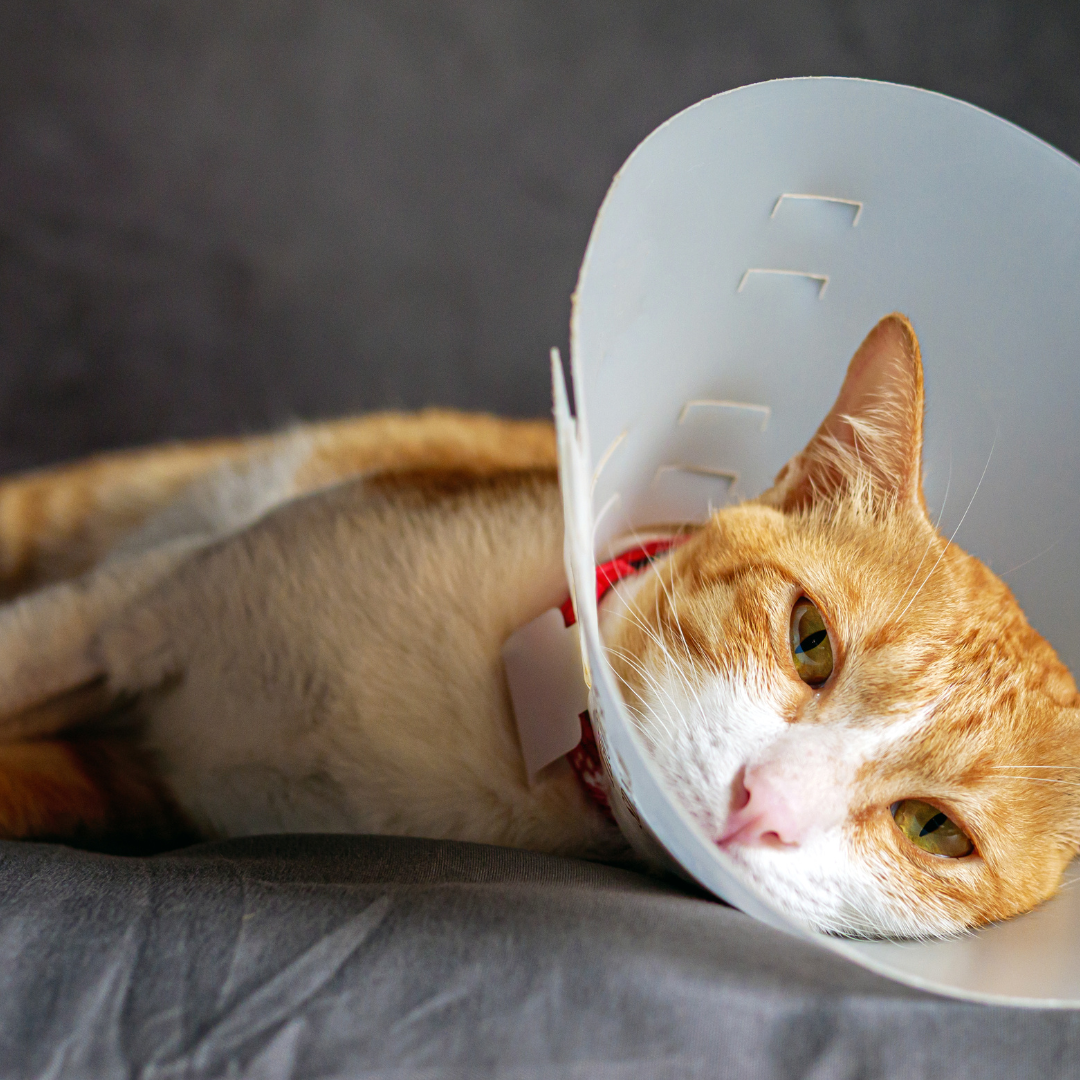
At Hallie Hill Animal Sanctuary, we believe that caring for animals also means helping the people who love them feel informed and supported. Recognizing when a cat may be experiencing pain is an important part of that care.
Cats are remarkably resilient animals. They are also very good at hiding discomfort. Because of this, pain in cats can sometimes go unnoticed until it becomes more serious. Learning to recognize the subtle signs can make a meaningful difference in your cat’s health and quality of life.
Why Cats Hide Pain
In the wild, animals that show signs of injury or weakness can become targets for predators. Over time, cats developed a natural instinct to mask pain and vulnerability.
Even in safe homes with loving families, that instinct remains. A cat who is hurting may not cry out or behave dramatically. Instead, the signs are often quiet and easy to miss.
This is why attentive observation and regular veterinary care are so important. Your cat relies on you to notice when something may be wrong.
Pain should always be taken seriously. It can interfere with healing after injury or surgery, reduce appetite, and affect a cat’s overall well-being. Over time, unmanaged pain can also lead to decreased activity, behavioral changes, and a lower quality of life.
Common Causes of Pain in Cats
Pain in cats can come from a wide range of conditions. Some are visible, while others develop internally and may not be obvious at first.
A few common causes include:
- Injury or trauma
- Dental disease or oral infections
- Eye, ear, or skin infections
- Gastrointestinal issues
- Urinary tract problems
- Arthritis or joint degeneration
- Diseases affecting the spine or nervous system
- Recovery from surgery
- Serious illnesses such as cancer
Older cats in particular may develop chronic conditions such as osteoarthritis or degenerative joint disease. These conditions can progress gradually, which makes subtle changes in behavior especially important to notice.

Signs Your Cat May Be Experiencing Pain
Because cats rarely vocalize discomfort, behavioral changes are often the clearest signals.
Researchers have identified many subtle indicators that may suggest a cat is experiencing pain. Some of the most common include:
- Limping or changes in walking
- Difficulty jumping or climbing
- Reduced activity or reluctance to move
- Spending more time hiding or withdrawing
- Less grooming than usual
- Decreased appetite
- Changes in temperament or mood
- A hunched posture or shifting weight frequently
- Licking one particular area of the body repeatedly
- Eyes partially closed or avoiding bright spaces
- Growling, groaning, or unusual vocalization
- Straining to urinate or changes in litter box behavior
Sometimes the only sign may be a small shift in routine. A cat who suddenly skips meals, hides more often, or stops greeting family members may be trying to communicate discomfort.
When something feels different, it is always wise to speak with your veterinarian.
The Importance of Early Care
Addressing pain early helps protect your cat’s overall health.
Veterinarians often treat pain while they work to identify the underlying cause. This approach keeps the animal comfortable while diagnostic testing or treatment begins.
If surgery is required, many veterinarians now focus on proactive pain management. Providing pain relief before, during, and after procedures can improve recovery and reduce stress for the patient.
Open communication with your veterinarian is helpful. You can ask about the plan for managing pain and how your cat will be supported throughout treatment.
Helping Reduce Stress During Vet Visits
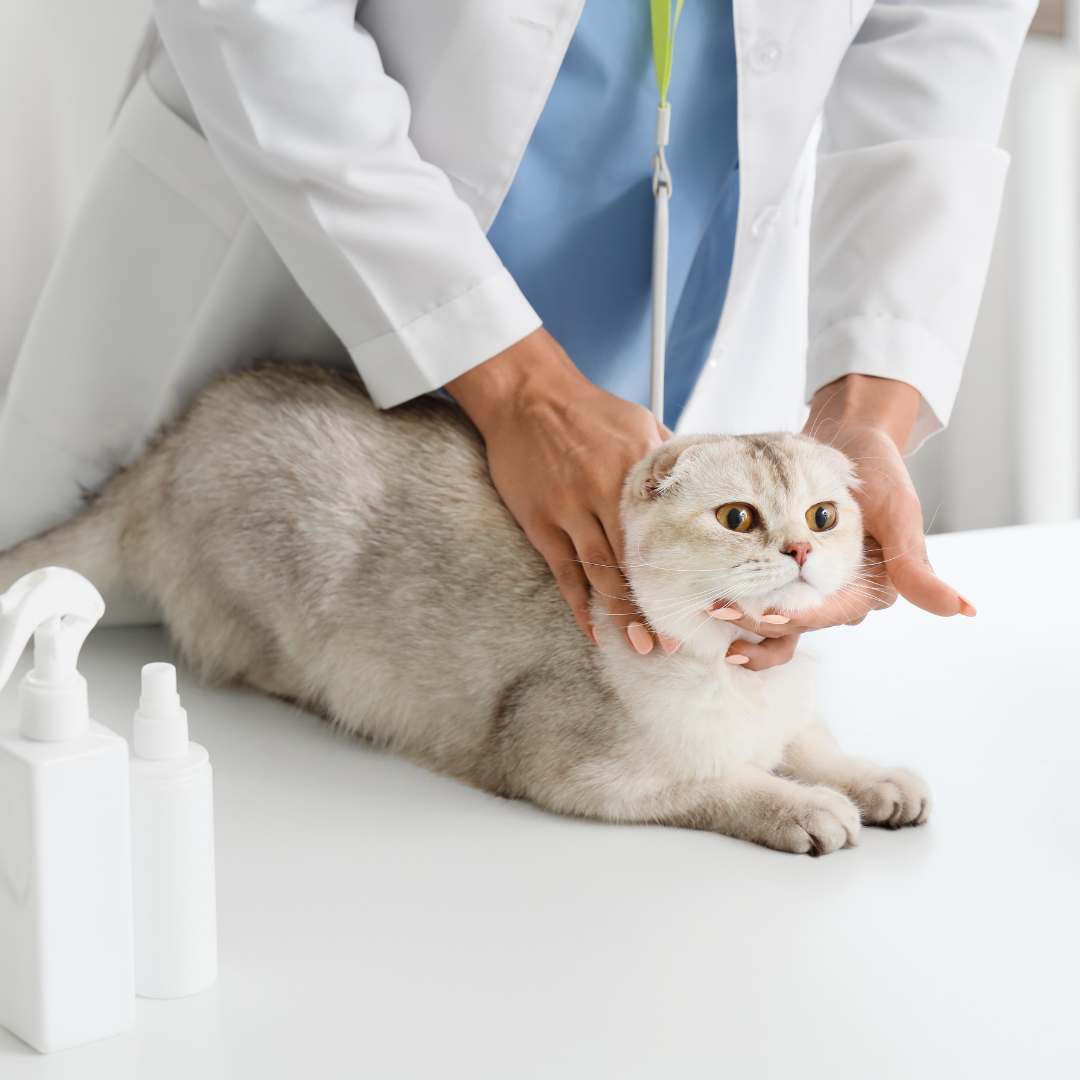
For many cats, veterinary visits themselves can be stressful. Anxiety can intensify pain and make examinations more difficult.
Some veterinary clinics use calming tools such as synthetic feline facial pheromones in exam rooms. These products can help create a more relaxed environment for feline patients.
In certain situations, veterinarians may also recommend gentle sedation or anti-anxiety medication. This allows necessary examinations or procedures to be performed in a way that minimizes distress for the cat.
Exploring Different Approaches to Pain Management
Every cat is unique, and pain management often requires a thoughtful and individualized approach.
Veterinary treatment may include medications designed specifically for feline patients. Because cats process medications differently from other animals, dosing and drug selection must be handled carefully by a veterinarian.
In some cases, complementary therapies may also play a role in supporting comfort. These may include options such as:
- Therapeutic massage
- Chiropractic care
- Acupuncture
- Laser therapy
- Physical rehabilitation
Nutritional support and anti-inflammatory diets can also help some cats, particularly those dealing with chronic conditions such as arthritis.
Working with a veterinarian who understands your cat’s individual needs can help determine which combination of treatments is most appropriate.
Supporting Your Cat’s Quality of Life
Pain does not only affect the body. It also shapes how animals experience their daily lives.
Mobility, playfulness, appetite, and interest in human interaction all contribute to a cat’s quality of life. A stimulating environment that includes enrichment, gentle play, and affection can help cats stay engaged and comfortable even when managing chronic conditions.
At the heart of it all is attentiveness. When we notice small changes and respond with care, we help ensure that our animals continue to feel safe, comfortable, and understood.
Walking Alongside Our Cats
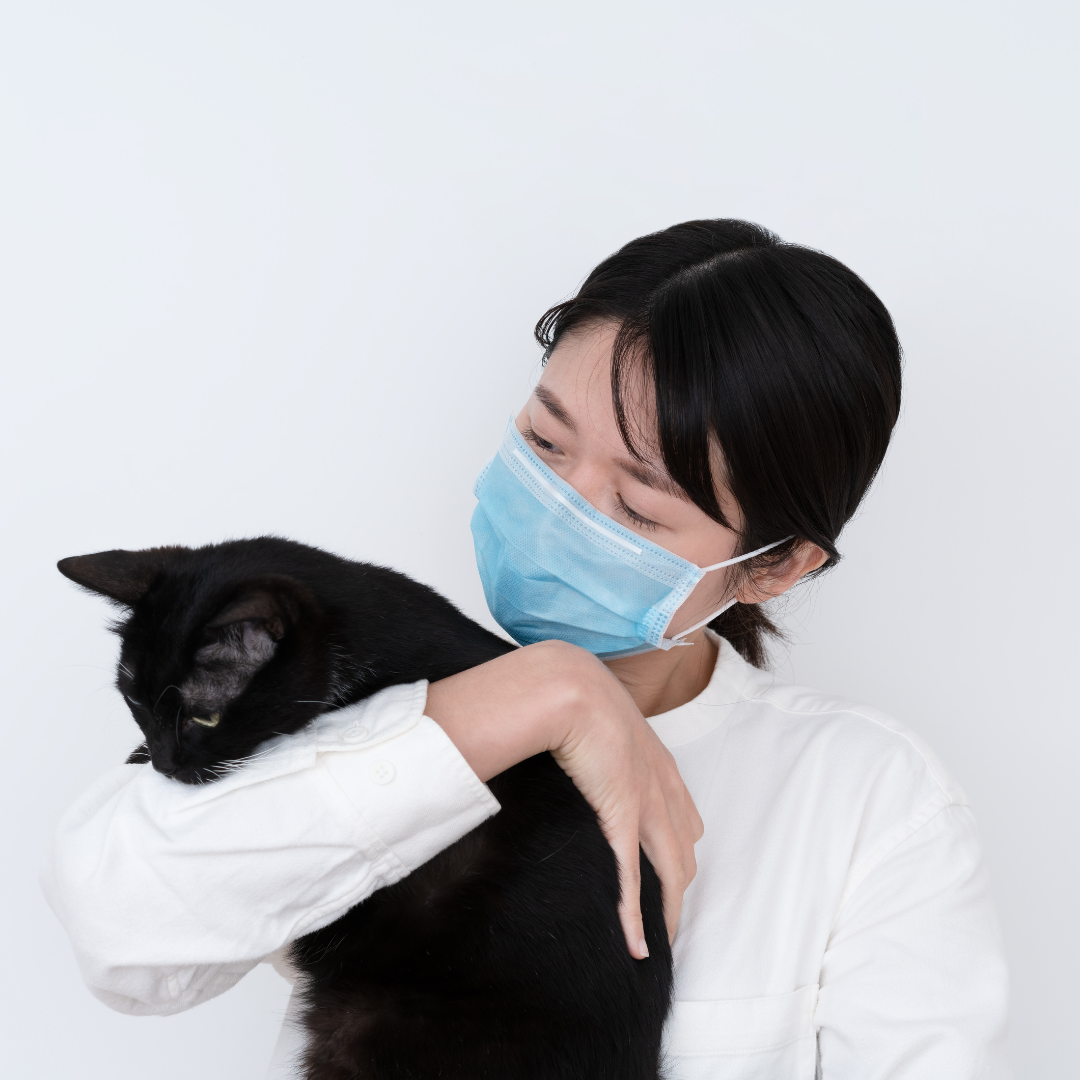
Cats may not be able to tell us when something hurts, but they rely on us to notice the signs.
By learning to recognize subtle changes and working closely with trusted veterinary professionals, we can support our cats through illness, recovery, and aging with compassion and patience.
If you share your life with a cat, your awareness and presence matter more than you may realize.
And if you would like to explore the original article that inspired this piece, you can read it here.