
Common Plants That Can Be Harmful to Dogs and Cats

Common Plants That Can Be Harmful to Dogs and Cats

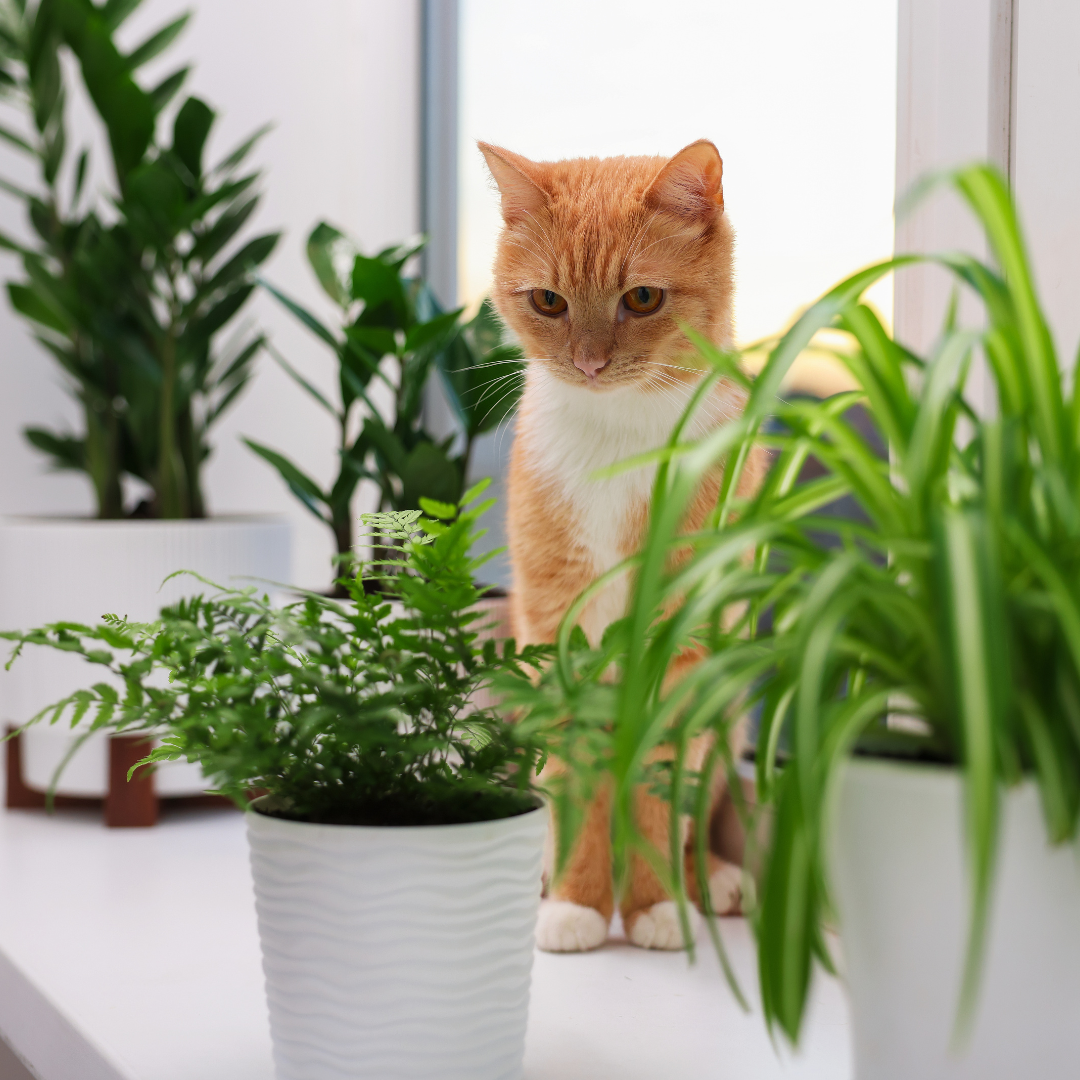
Cat looking at Plants
As people who love animals, many of us spend time creating homes and outdoor spaces that feel peaceful, welcoming, and full of life. Plants are often part of that comfort. But some common plants and flowers can pose unexpected risks to dogs and cats.

This month, we wanted to share a few helpful reminders inspired by an article written by Dr. Maria Zayas for Adopt a Pet. We are deeply grateful to Dr. Zayas for sharing this information with the pet-loving community and helping families create safer environments for the animals they care for so deeply.

Her full article offers a detailed guide to plants that may be toxic to pets, along with signs to watch for and tips for prevention. Below are just a few important takeaways.
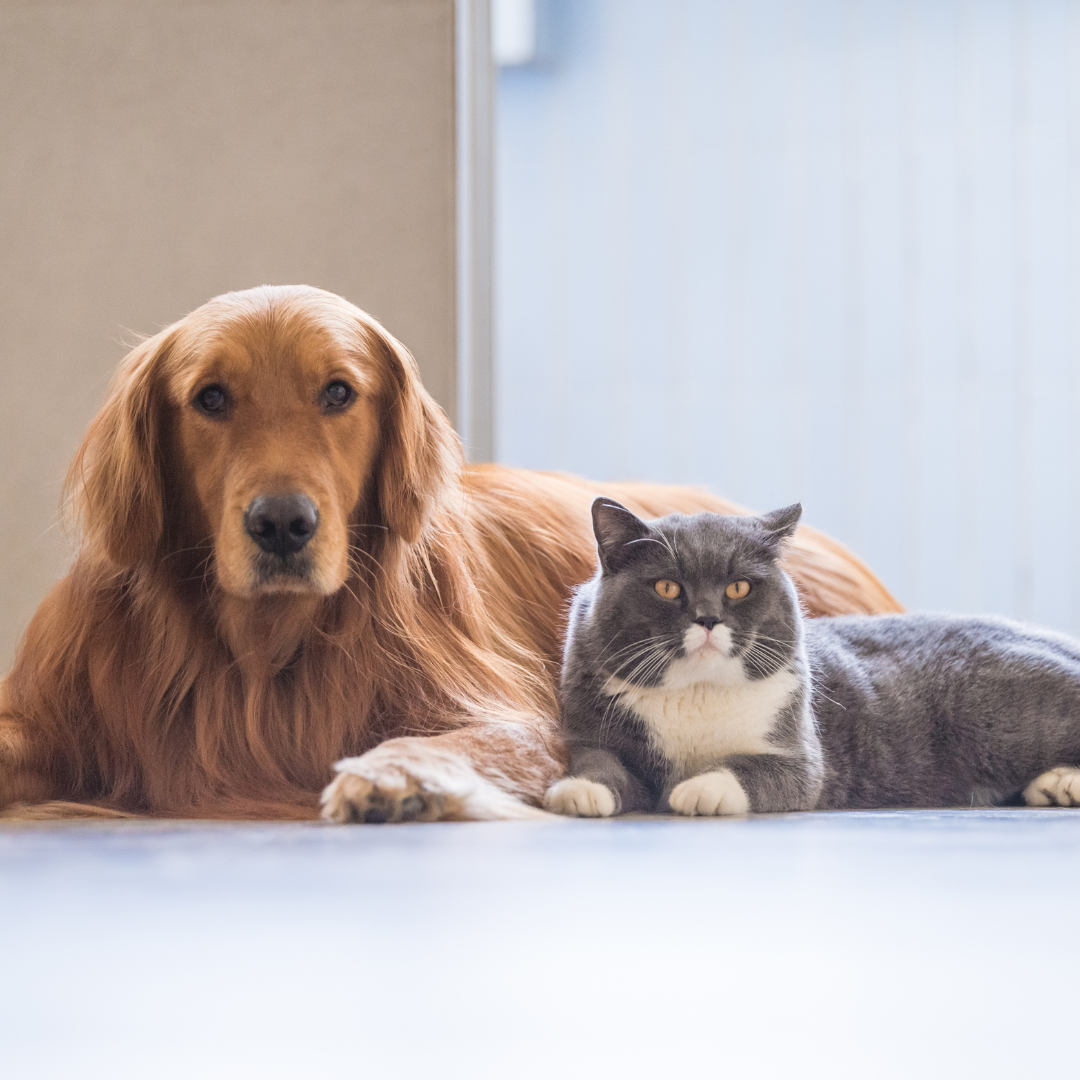
Dog and Cat laying on the floor together.

A Few Common Plants to Be Aware Of

Some plants that are beautiful in homes and gardens can be harmful if chewed, swallowed, or even brushed against by pets.

A few commonly known toxic plants include:

  • Lilies
  • Sago palms
  • Aloe vera
  • Tulips
  • Daffodils
  • Azaleas
  • Oleander
  • Ivy
  • Philodendrons

In some cases, these plants may cause mild stomach upset. Others can lead to much more serious health concerns affecting the heart, liver, or kidneys.

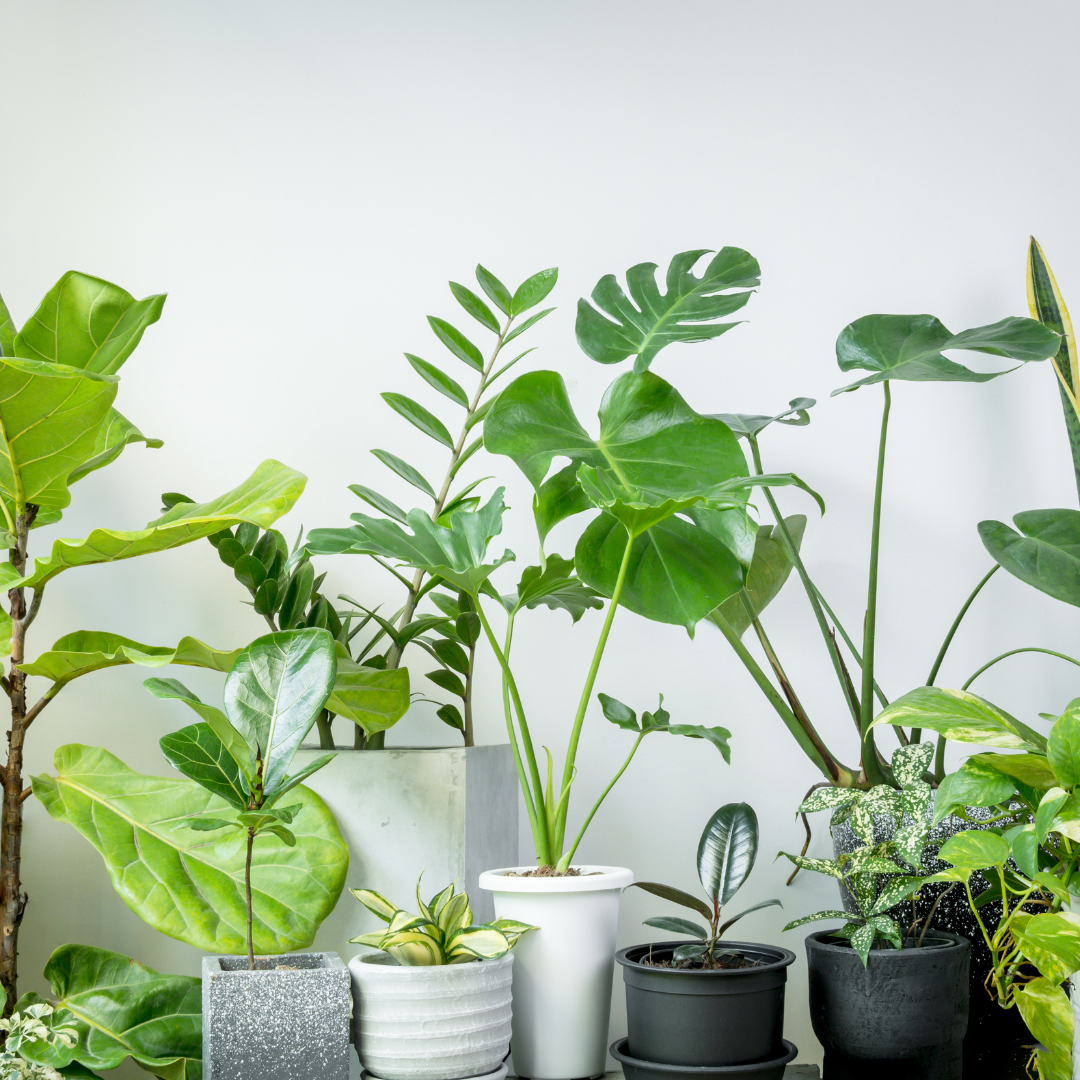
House plants

Signs Your Pet May Have Eaten Something Harmful

Every animal reacts differently, but some common symptoms may include:

  • Vomiting
  • Drooling
  • Diarrhea
  • Lethargy
  • Trouble breathing
  • Loss of appetite
  • Tremors or unusual behavior

If you believe your pet may have ingested a toxic plant, it is always best to contact your veterinarian or an emergency animal clinic as soon as possible.

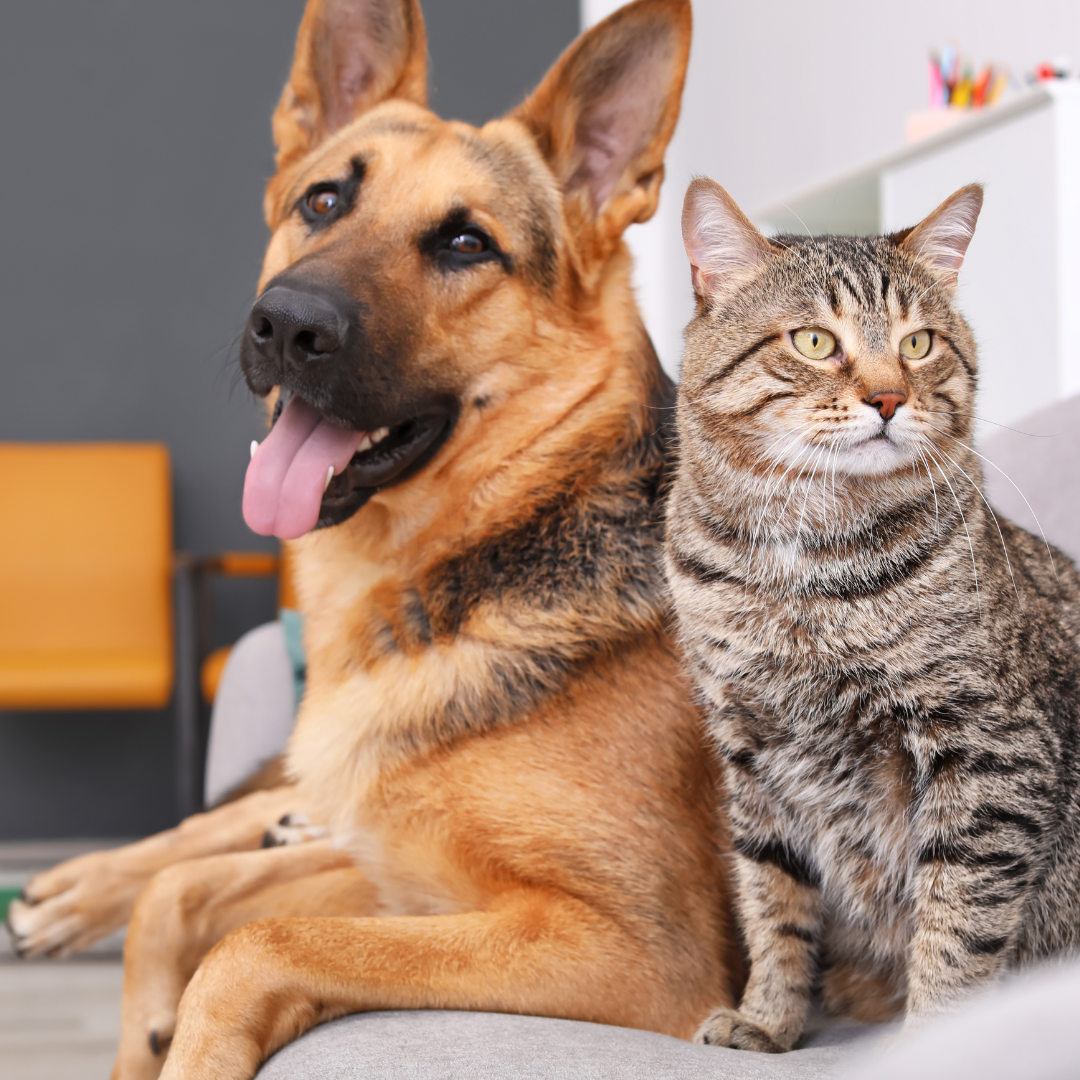
German Shepherd and a cat relaxing together.

Creating a Safer Space for Pets

One of the simplest ways to help protect pets is to check the plants already in your home or yard and research any new ones before bringing them into your space.

Dr. Zayas also encourages pet owners to:

  • Keep potentially harmful plants out of reach
  • Supervise curious puppies and kittens outdoors
  • Learn the names of plants in your garden
  • Choose pet-safe alternatives when possible

Even small changes can help create a more comfortable and secure environment for the animals who share our homes.

Learn More

This blog is only a brief overview of the information shared in Dr. Maria Zayas’ original article. We are thankful for the care and education she continues to provide for pet owners everywhere.

If you would like to explore the full guide, including a more extensive list of plants and detailed safety information, we warmly encourage you to read her article here:

Plants Toxic to Dogs and Cats by Dr. Maria Zayas

Thank you for walking alongside us in creating safer, more compassionate spaces for animals every day.

Welcoming Mea Raney to the Hallie Hill Family

Welcoming Mea Raney to the Hallie Hill Family

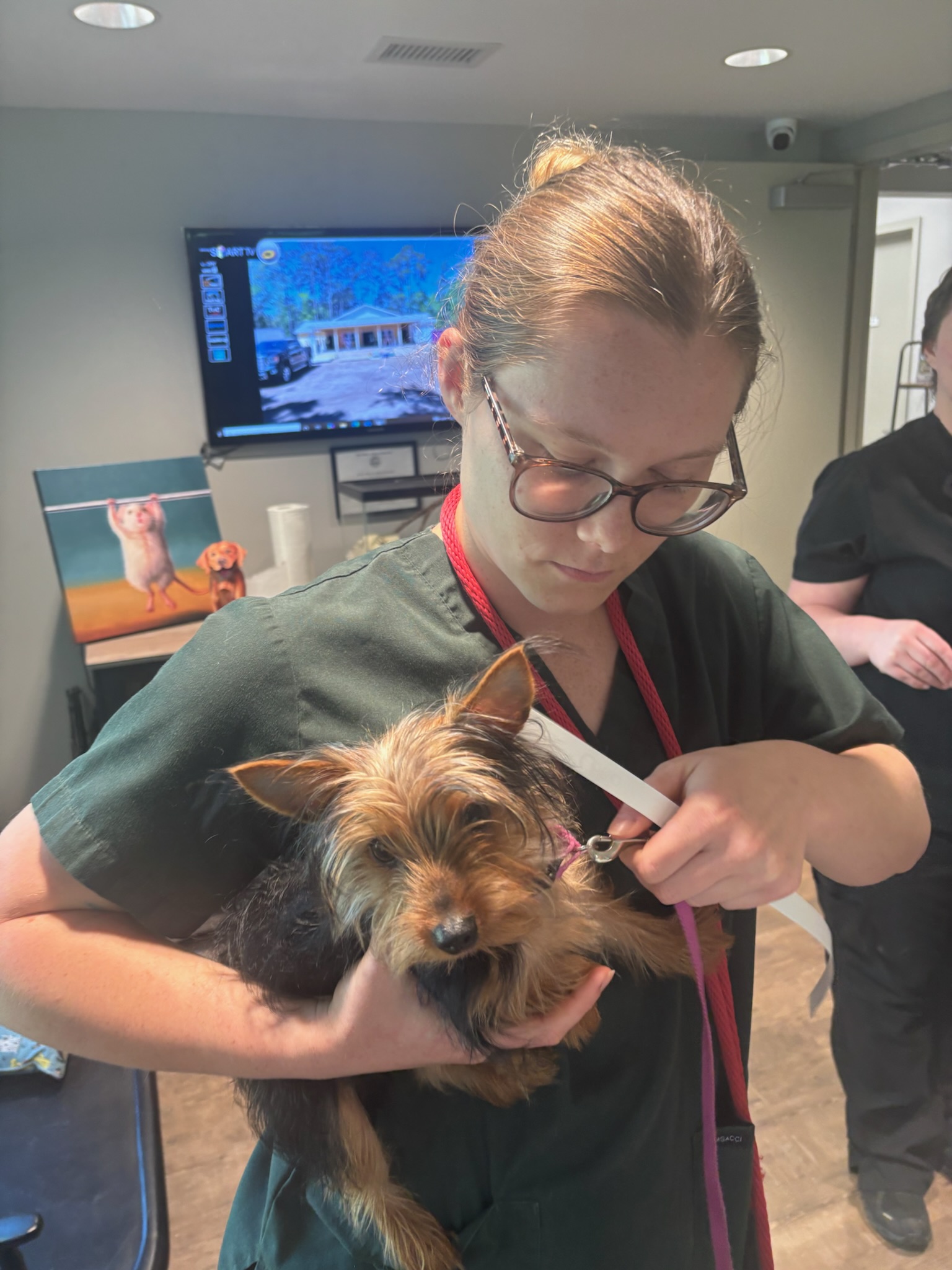
Photo of Mea with a dog in her lap.
At Hallie Hill Animal Sanctuary, every person who joins our team brings something meaningful to the animals and community we care for each day. We are so happy to welcome our newest staff member, Mea Raney, to the Hallie Hill family.

Mea comes to Hallie Hill with more than a decade of experience in animal work across both shelter and clinical settings. Her background spans dogs, cats, and small animals, with a special focus on behavior and understanding the unique needs of each individual animal.

Throughout her work, Mea has remained passionate about creating environments where animals feel safe, supported, and understood. That sense of patience and compassion aligns beautifully with the values we hold close at Hallie Hill.

Beyond her animal care experience, Mea brings a thoughtful and creative perspective to her work. She holds a Bachelor’s degree in Studio Art and also creates and sells artwork in her free time. She later earned a Master’s degree in Social Work with a concentration in mental health, adding another layer of understanding to the care and connection she hopes to build throughout her career.

Mea shares her home with three rescue cats and hopes to continue growing her work in animal caretaking, behavioral assessment, and intervention. She is passionate about helping animals find the homes where they can thrive and live happy, fulfilling lives. She also hopes to explore opportunities involving therapy animals and the meaningful connection they can create with people.

When she is not working with animals, you can often find Mea hiking, drawing, or enjoying a good horror movie.

At Hallie Hill, we know that caring for animals is about more than meeting physical needs. It is about patience, presence, understanding, and building trust over time. We are grateful to have someone with Mea’s experience, kindness, and heart joining our team.

Please join us in giving Mea a warm welcome as she begins this new chapter with us. We are excited for the animals and people whose lives she will touch along the way. 💚

Welcome to Hallie Hill, Mea. We are so happy you are here.
A Cool Treat for Warm Days: Homemade Dog Ice Cream Recipes to Try This Summer

A Cool Treat for Warm Days: Homemade Dog Ice Cream Recipes to Try This Summer

As the weather warms up, many of us look for simple ways to help our dogs stay cool and comfortable through the summer months. Homemade frozen treats can be a fun and thoughtful way to do exactly that.

This month, we wanted to share two dog-friendly ice cream recipes created by Angela C. of Pawsome Recipes. Angela describes herself as someone who keeps her “mini zoo” happy with easy and natural dog and cat food recipes, and we are grateful for the care and creativity she brings to her work.

We are also thankful to Angela for allowing fellow pet lovers to discover these recipes and photos. If you would like detailed instructions and more frozen treat ideas, we encourage you to explore her website and recipe collection.

Strawberry Banana Dog Ice Cream

This bright and fruity frozen treat feels especially fitting for warm afternoons with your dog. Made with just a few simple ingredients, it is an easy way to create something refreshing at home.

Angela’s recipe includes:

  • 1 ripe banana
  • 8 strawberries
  • 1 cup kefir yogurt or Greek yogurt

The fruit can either be mashed together by hand or blended until smooth and creamy with the yogurt. Once mixed, the ice cream is poured into a container or ice cube tray and frozen for several hours until fully set.

It is simple, approachable, and made with ingredients many pet owners may already have in their kitchen.

You can find the full recipe and detailed instructions here:
Strawberry Banana Dog Ice Cream Recipe by Angela C. at Pawsome Recipes

Mango Dog Ice Cream

For dogs who enjoy tropical flavors, this mango ice cream recipe is another refreshing option for summer days. The smooth texture and naturally sweet mango make it feel like a special warm-weather treat.

Angela’s recipe uses:

  • 2 cups chopped mango
  • 1/2 cup plain Greek yogurt

The mango and yogurt are blended together until smooth, then poured into molds, trays, or a shallow dish before freezing for several hours. Before serving, the frozen mixture is allowed to soften slightly, creating a creamy consistency that is easy for dogs to enjoy.

We especially appreciate recipes like these that use fresh, simple ingredients while helping pets stay cool during the warmer months.

You can view the full recipe and detailed instructions here:
Mango Dog Ice Cream Recipe by Angela C. at Pawsome Recipes

Looking for More Frozen Treat Ideas?

These are just two of several homemade dog ice cream recipes shared by Angela C. at Pawsome Recipes. We are deeply grateful for her willingness to share these recipes, photos, and ideas with the broader animal-loving community.

If you would like to explore the full collection of frozen dog treats and step-by-step recipes, we warmly encourage you to visit her website and discover more ways to make summer a little sweeter for your pets.

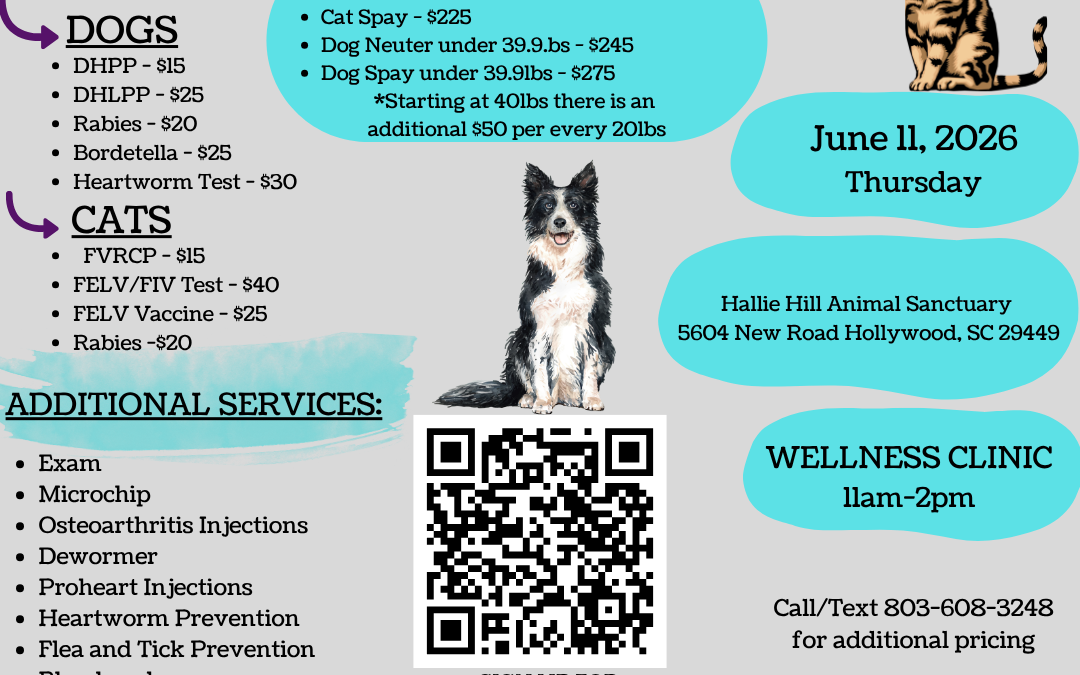
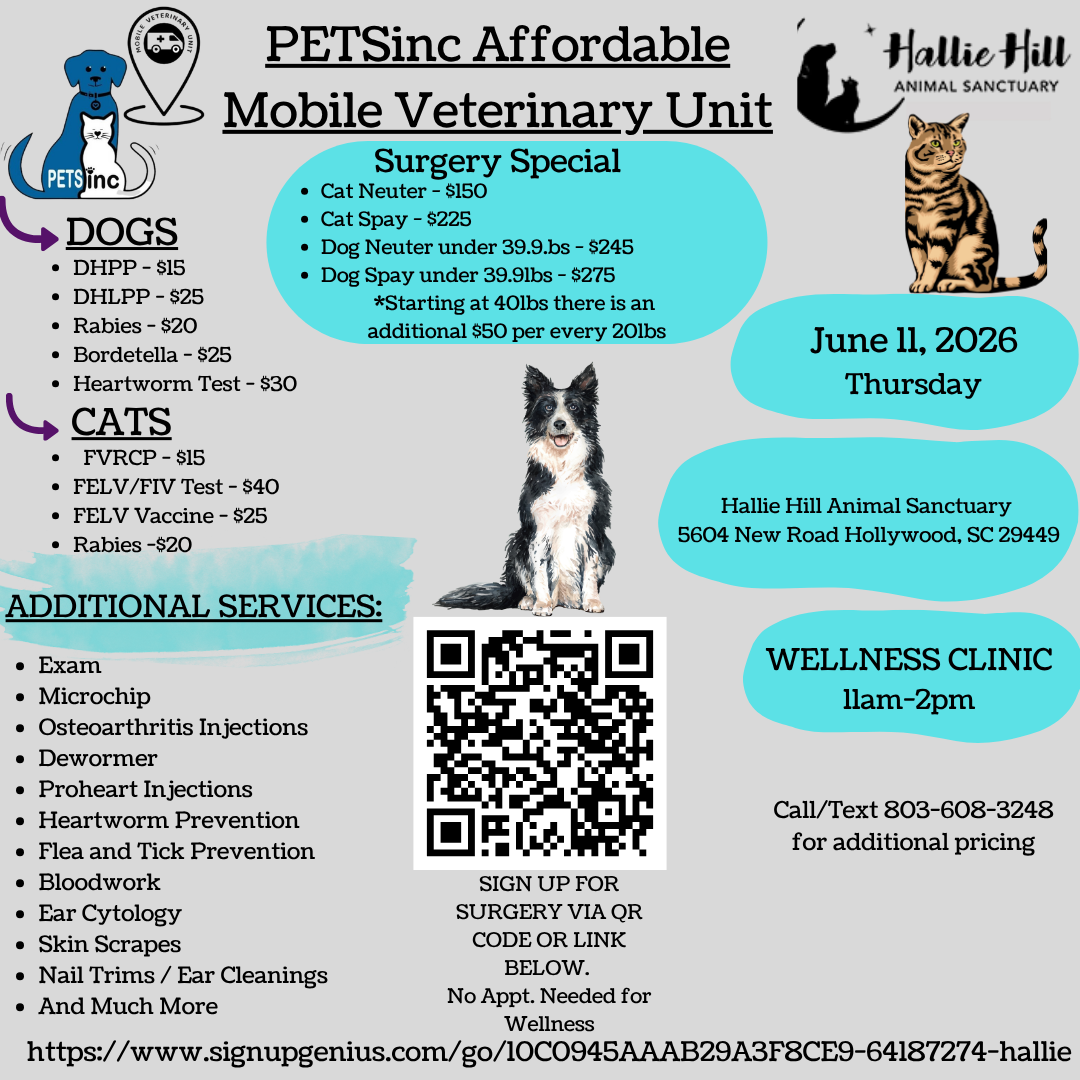
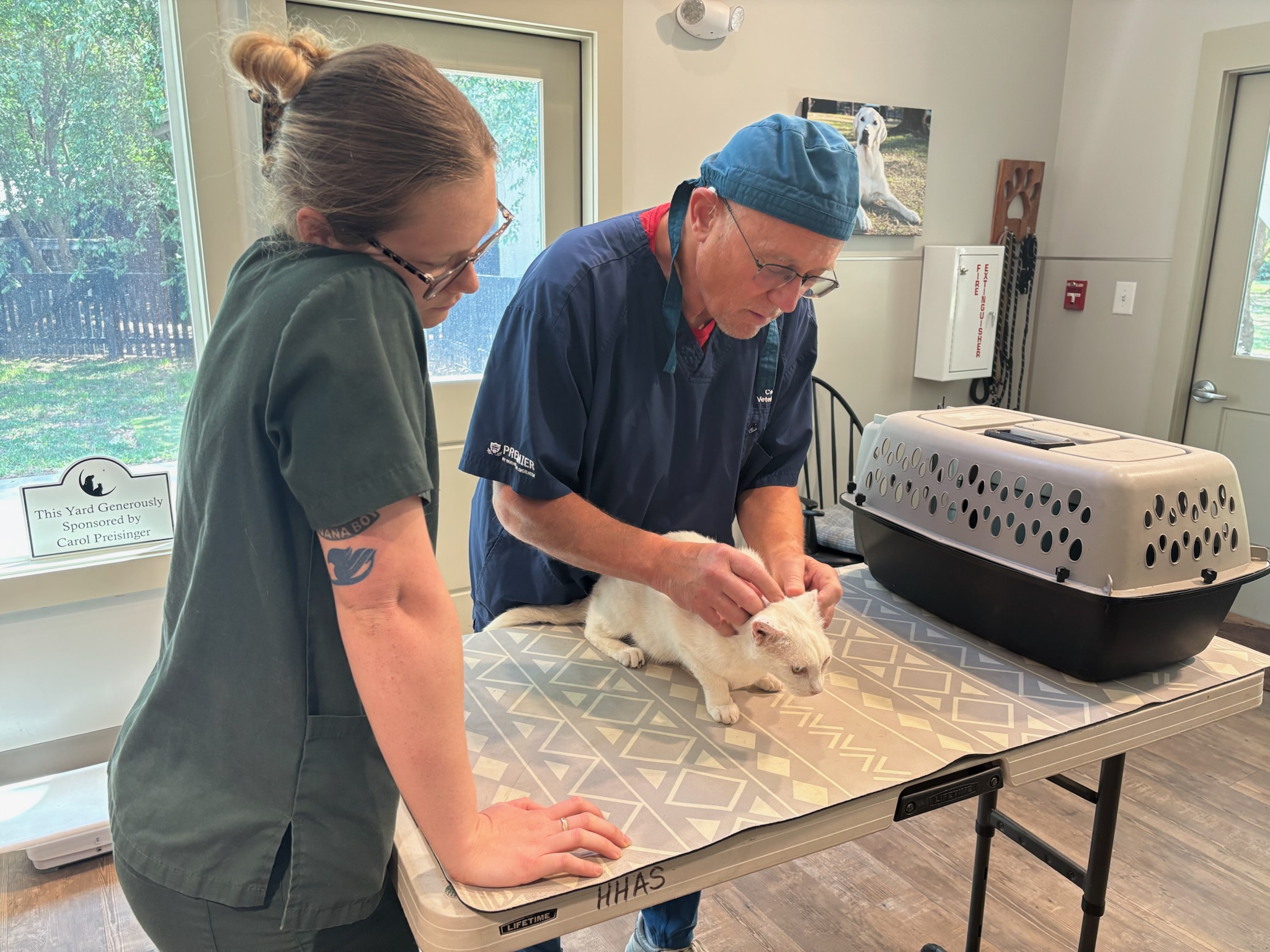
Affordable Veterinary Care Returns to Hallie Hill with the PETSinc Mobile Veterinary Unit

Affordable Veterinary Care Returns to Hallie Hill with the PETSinc Mobile Veterinary Unit

Access to affordable veterinary care is one of the most important ways a community can support the health and well-being of its pets. For many families, routine services like vaccines, wellness exams, and spay or neuter procedures can make a meaningful difference in keeping their animals healthy and safe.

That is why we are so grateful to continue our partnership with PETSinc and their Affordable Mobile Veterinary Unit, which will return to Hallie Hill Animal Sanctuary on Thursday, May 14, to offer low-cost veterinary services to pet owners throughout our community.

This special clinic makes it possible for more animals to receive the care they need while helping families access trusted veterinary services in a convenient and welcoming setting.

Supporting Pets and Families in Our Community

The PETSinc Affordable Mobile Veterinary Unit provides a range of essential services for both dogs and cats. These include spay and neuter procedures, vaccines, wellness exams, testing, and additional preventative care.

Programs like this help ensure that pets receive important medical attention that protects their health and improves their quality of life. They also help prevent future health concerns and support responsible pet ownership throughout the community.

At Hallie Hill, we see firsthand how impactful these clinics can be.

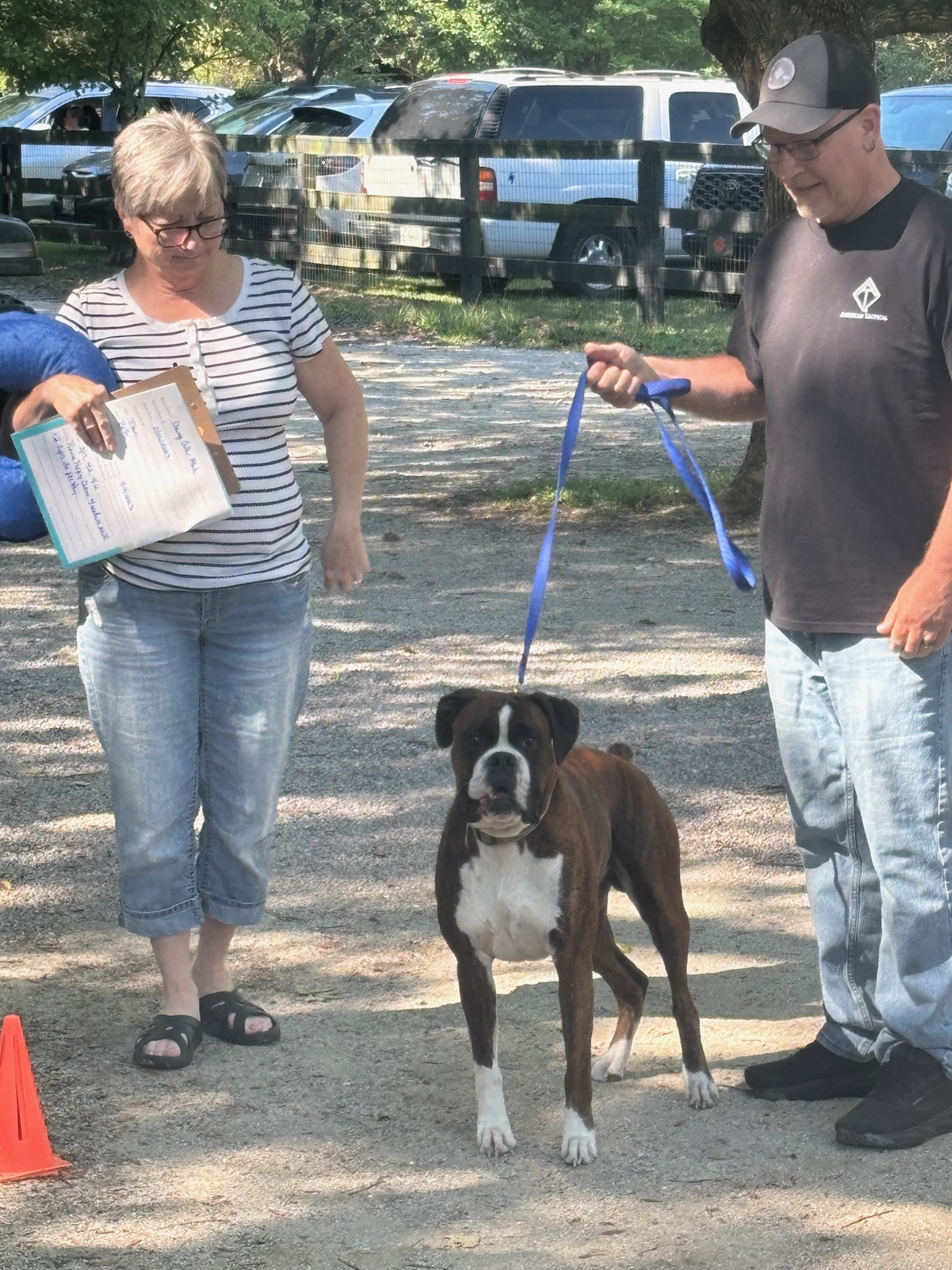
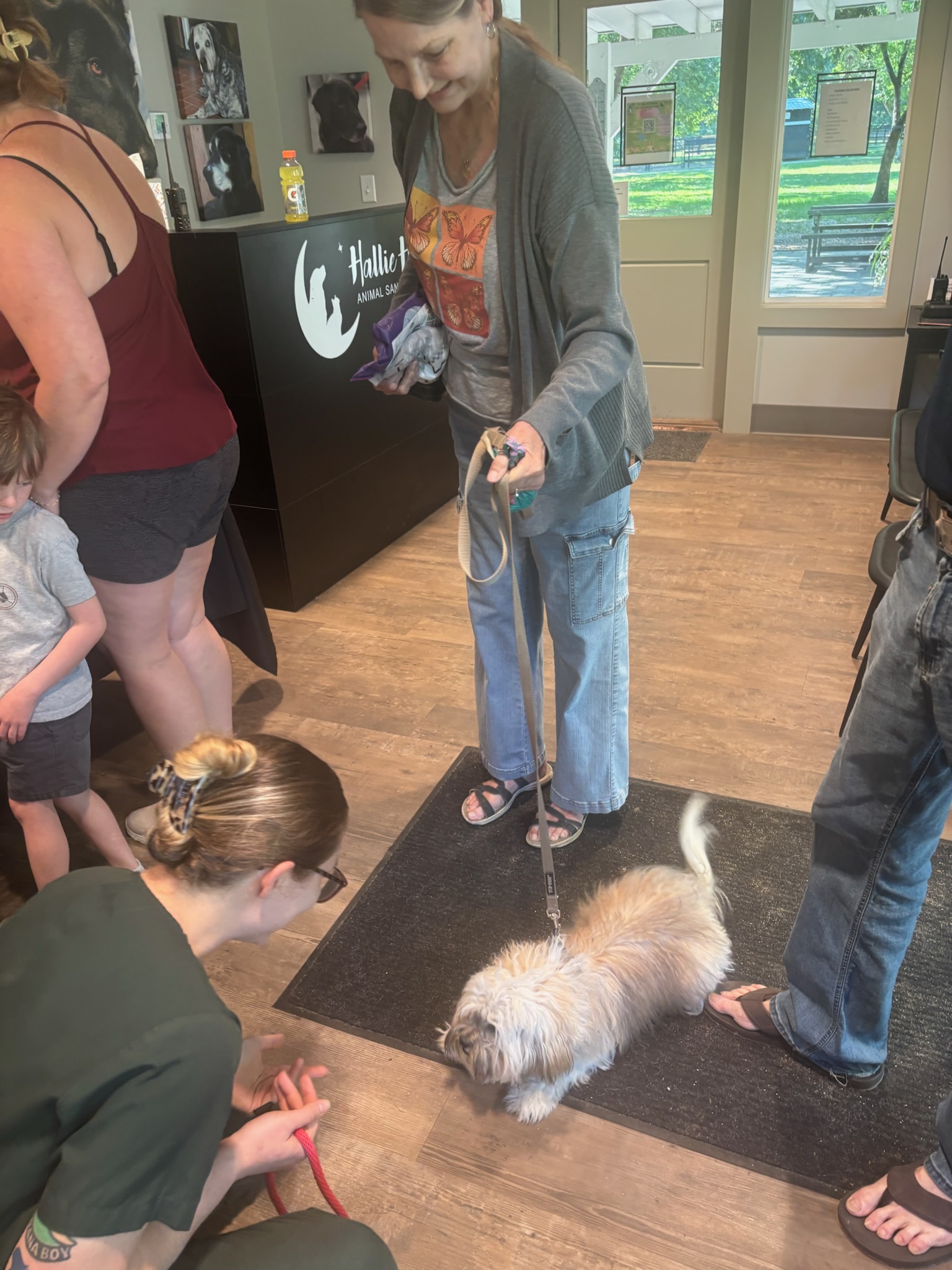
During our April PETSinc Mobile Veterinary Clinic, a total of 38 surgery procedures were performed, along with 14 wellness check-ups for pets in our community. Each of these appointments represents a pet receiving care that might not otherwise have been accessible.

We are incredibly thankful to PETSinc for continuing to bring this service to the Lowcountry and for helping ensure that more animals can receive the care they deserve.

Upcoming Clinic at Hallie Hill

The next PETSinc Affordable Mobile Veterinary Clinic will take place:

Thursday, May 14
Hallie Hill Animal Sanctuary
5604 New Road
Hollywood, South Carolina

Surgery Procedures

Spay and neuter procedures are available for both cats and dogs. These appointments must be scheduled in advance and are limited, so early registration is encouraged.

Pet owners can reserve a surgery appointment here:
https://www.signupgenius.com/go/10C0945AAAB29A3F8CE9-63535107-hallie

Wellness Clinic

In addition to scheduled procedures, a walk-in wellness clinic will also be available from 11 a.m. to 2 p.m.

No appointment is required for wellness services, which may include vaccines, testing, and other preventative care options.

This makes it easy for pet owners to stop by and ensure their animals stay up to date on important health needs.

A Partnership That Makes a Difference

At Hallie Hill, we are deeply grateful to PETSinc for their ongoing commitment to expanding access to veterinary care.

Their Affordable Mobile Veterinary Unit helps bring essential services directly into communities, making it easier for pet owners to care for the animals they love.

These clinics not only support individual pets and families, but they also contribute to healthier communities by improving access to preventative care and responsible pet ownership.

Every appointment represents a pet receiving the care it needs and a family receiving support.

Join Us on May 14

If you or someone you know could benefit from affordable veterinary services, we encourage you to take advantage of this opportunity.

Schedule a surgery appointment ahead of time or stop by during the wellness clinic hours.

We look forward to welcoming the PETSinc team back to Hallie Hill and to continuing this important partnership that helps pets throughout our community live healthier, happier lives.

To reserve a surgery procedure, visit:
https://www.signupgenius.com/go/10C0945AAAB29A3F8CE9-63535107-hallie

For additional pricing information, pet owners can call or text 803-608-3248.

Spring Pet Safety: Helping Our Animals Enjoy the Season Safely

Spring Pet Safety: Helping Our Animals Enjoy the Season Safely

Pet owner with dog and cat
This article is inspired by and adapted from “A Pet Parent’s Guide to a Safe, Happy Spring” by Dr. Elizabeth Hardoon, originally published by Bark & Whiskers. You can read the original article here: https://www.barkandwhiskers.com/2026-03-23-spring-pet-safety-guide/.

As the days grow longer and the air warms, spring invites all of us outdoors. After the quieter months of winter, this season brings renewed energy, blooming gardens, and more time spent exploring the world with the animals we love.

For our dogs and cats, spring often means longer walks, more time in the yard, and the joy of fresh air and sunshine. At the same time, the season introduces a few new considerations for pet safety.

With a little awareness and preparation, spring can be a wonderful time for pets and the people who care for them.

Below are a few gentle reminders to help keep animals safe, comfortable, and happy as the season unfolds.

Spring Flowers and Plants to Watch For

Spring gardens are beautiful, but some common plants can be harmful to pets if eaten.

Flowers such as lilies, tulips, and azaleas are frequently found in yards and bouquets. While they brighten our homes and landscapes, they can cause serious health issues for animals that ingest them. Lilies are especially dangerous for cats and may lead to kidney failure, even in small amounts. Tulip bulbs contain the highest concentration of toxins, and azaleas can lead to digestive upset and heart complications if consumed.

Other plants sometimes found in ornamental gardens may also pose risks, including foxglove, bleeding hearts, and sago palms.

If you enjoy gardening, a few simple precautions can make a difference:

  • Research plants before adding them to your home or yard
  • Keep potentially harmful plants out of reach
  • Supervise pets who enjoy exploring or chewing outdoors
  • Consider fencing off garden beds if needed

If you ever suspect a pet has eaten a toxic plant, contacting your veterinarian promptly is the safest next step.

Dog smelling flowers

Lawn and Garden Products

Spring is also the season when many households begin caring for lawns and gardens again. Fertilizers, herbicides, and insect treatments can help maintain outdoor spaces, but some of these products may be harmful to pets.

Certain fertilizers contain ingredients that may cause digestive issues if ingested. Some pest control products, such as slug and snail baits that contain metaldehyde, can be particularly dangerous if eaten.

A few thoughtful habits can help reduce risks:

  • Follow product directions carefully
  • Store lawn products securely and out of reach
  • Keep pets off treated areas until surfaces are fully dry
  • Rinse paws or bathe pets if they walk through treated areas

These small steps help protect curious noses and paws while still allowing you to care for your outdoor space.

Dog smelling the grass

Spring Cleaning and Household Safety

Spring cleaning often brings a sense of renewal to our homes. As cabinets are emptied and surfaces are scrubbed, it is helpful to remember that many cleaning products contain chemicals that may irritate a pet’s skin, eyes, or lungs.

Common products such as bleach, ammonia, and certain disinfectants can cause discomfort if animals inhale fumes or walk across freshly cleaned surfaces.

When cleaning or tackling home projects, consider:

  • Placing pets in another room while cleaning
  • Opening windows or using fans for ventilation
  • Storing cleaning supplies securely
  • Allowing surfaces to dry before pets return to the area

For larger renovation projects involving paints or solvents, it may be helpful to keep pets in a quieter and safer space away from the work.

Windows and Curious Cats

Fresh air is one of the simple joys of spring. Many households open windows to let the breeze move through the home.

For cat households, this is a good time to check window screens. Cats may become excited by birds, insects, or movement outdoors and attempt to jump toward the opening.

Secure, well-fitted screens help ensure that indoor cats remain safe while still enjoying the sights and sounds of spring.

Cat going through some flowers

Parasites and Seasonal Allergies

Warmer weather also means that fleas, ticks, and mosquitoes become active again. These insects can transmit illnesses such as Lyme disease and heartworm, which is why veterinarians often recommend year-round prevention.

Checking your pet for ticks after outdoor adventures and keeping up with preventive care can help reduce risk.

Spring may also bring seasonal allergies for some animals. Pets experiencing allergies may show signs such as:

  • Frequent scratching
  • Licking at paws
  • Red or watery eyes
  • Sneezing
  • Skin irritation or ear infections

If these symptoms appear, a veterinarian can help determine the cause and recommend ways to keep your pet comfortable.

Enjoying Outdoor Adventures Safely

One of the best parts of spring is the opportunity for outdoor adventures. Whether it is a longer walk through the neighborhood, a visit to the park, or a road trip with your dog, these moments can strengthen the bond between animals and the people who care for them.

A few thoughtful practices help keep those outings safe:

  • Secure pets in vehicles using crates or seatbelt harnesses
  • Bring fresh water for longer walks or trips
  • Be mindful of hot pavement on warmer days
  • Never leave pets in parked vehicles
  • Ensure pets wear identification tags and have updated microchip information

Even the most well-trained pet can become distracted outdoors. Proper identification helps ensure a safe reunion if an animal ever wanders away.

dog sprinting through flowerfield

A Season to Enjoy Together

Spring is a beautiful reminder of renewal. It invites us to slow down, step outside, and spend time with the animals who share our lives.
With a little preparation and awareness, this season can be full of safe walks, sunny afternoons, and joyful moments together.

At Hallie Hill, we are grateful for every person who takes the time to care thoughtfully for the animals in their lives. That kindness helps create a safer and more compassionate community for pets everywhere.

This article was adapted from “A Pet Parent’s Guide to a Safe, Happy Spring” by Dr. Elizabeth Hardoon, originally published by Bark & Whiskers. The original article can be read here: https://www.barkandwhiskers.com/2026-03-23-spring-pet-safety-guide/.